

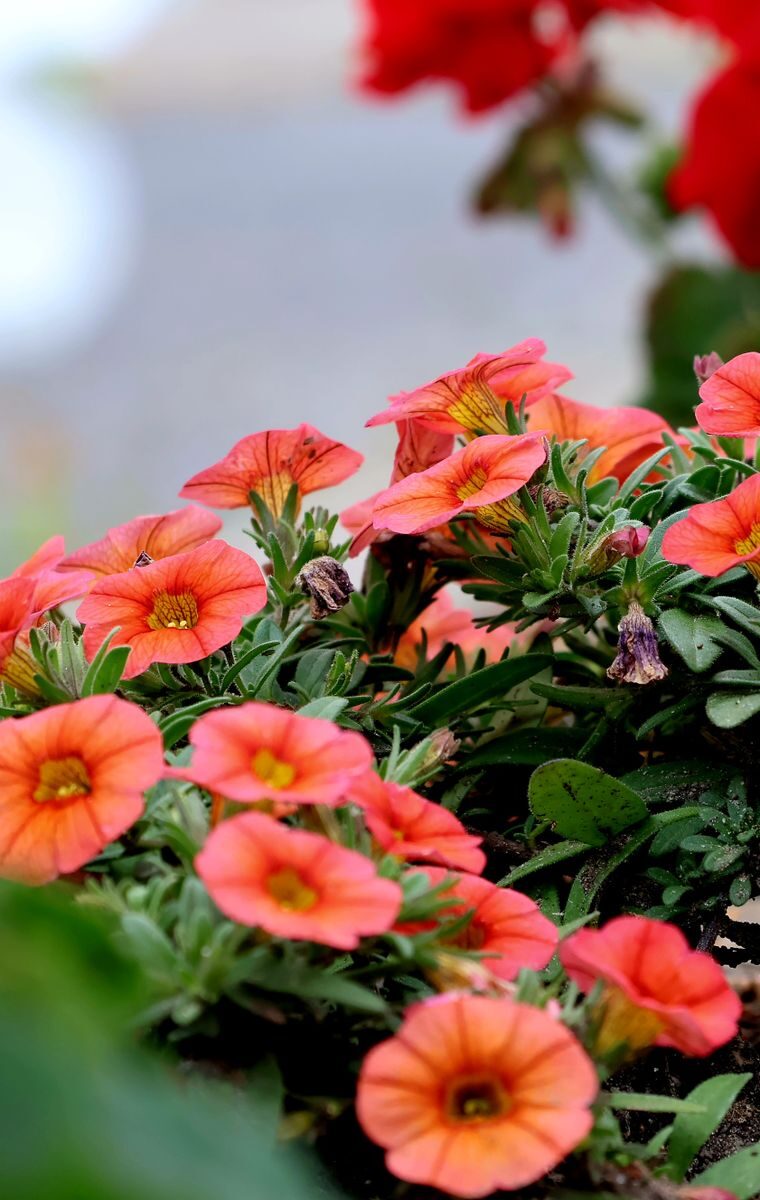
If you’ve ever walked past a hanging basket overflowing with hundreds of tiny, trumpet-shaped flowers in every color imaginable, there’s a good chance you were looking at Million Bells — one of the most rewarding plants a home gardener can grow. Known botanically as Calibrachoa, this cheerful annual has earned a devoted following across the United States. From the humid porches of the Deep South to the sun-drenched patios of the Southwest. Whether you’re a first-time gardener or a seasoned container enthusiast, this complete guide will walk you through everything you need to know to grow Million Bells successfully and keep them blooming from spring all the way until the first frost.
What Are Million Bells? A Quick Introduction
Million Bells (Calibrachoa group) are members of the Solanaceae family, the same plant family that includes petunias, tomatoes, and peppers. Native to South America, they were introduced to the U.S. market in the early 1990s and quickly became a garden staple thanks to their non-stop blooming habit and low-maintenance personality. The name is a fitting one — each plant can produce literally hundreds of delicate, bell-shaped flowers simultaneously. Creating a stunning cascade of color throughout the season.
One thing that surprises many new gardeners is how closely Million Bells resemble miniature petunias. The difference is that Calibrachoa flowers are typically smaller, self-cleaning (meaning you don’t need to deadhead them), and far more tolerant of summer heat. They reach about 6 to 12 inches tall and can spread 12 to 24 inches wide. With trailing stems that spill beautifully over the edges of containers and baskets. In USDA Hardiness Zones 9–11, they can behave as short-lived perennials, but across most of the U.S., they’re grown as annuals from spring to frost.
Choosing the Right Variety
The world of Calibrachoa has expanded dramatically over the past decade. Today, gardeners across the U.S. have access to dozens of cultivar series, each with unique characteristics. Proven Winners’ Superbells® line remains one of the most popular, offering consistently vigorous plants in dozens of color combinations. Exciting new introductions for 2026 include the Superbells Magic® Double Grapefruit, which features eye-catching yellow flowers that gradually shift to pink. A color-changing trait that’s generating a lot of buzz among container gardeners this season.
Other popular series worth looking for at your local garden center include:
- Callie® Series — Known for deep, rich colors including Callie® Dark Red with nearly black veining and a bright yellow eye.
- Cabaret® Series — A vigorous grower with large flowers ideal for mixed containers.
- Mini Famous® Series — Compact plants perfect for smaller pots and window boxes.
- Cha-Cha™ Series — A favorite for bold, bicolor blooms in mixed arrangements.
When shopping, look for compact, bushy plugs with healthy green foliage and no yellowing. Avoid plants that appear leggy or have visible signs of pests on the undersides of leaves.
Sunlight Requirements: Give Them What They Crave
Million Bells are sun lovers through and through. They bloom best with a minimum of six hours of direct sunlight each day. And most gardeners find that full sun — eight or more hours — produces the most prolific flowering. In shadier spots, you’ll notice the plant begins to stretch, flower production drops off noticeably, and the foliage takes on a pale, washed-out green tone. That said, gardeners in the hotter regions of the American South and Southwest often find that a bit of afternoon shade actually extends the plant’s blooming life well into the summer months, preventing heat stress during the hottest part of the day.
If you’re growing Million Bells on a covered porch, make sure it receives at least a few hours of direct light, not just bright indirect light. East-facing spots that get strong morning sun tend to work well in warm climates. West-facing exposures can work too, though in areas like Texas, Arizona, or Florida. The intense afternoon sun may require some protection during peak summer heat. Rotating containers every few days ensures even light distribution and promotes a fuller, more balanced plant.
Soil & Potting Mix: Getting the Foundation Right
This is where many gardeners run into trouble. Million Bells are famously sensitive to soil pH and drainage, and getting both right is essential. The ideal soil pH sits in the slightly acidic range, between 5.5 and 6.0. High pH soils can cause iron deficiency, which shows up as yellowing leaves with green veins — a condition called iron chlorosis that’s often mistaken for overwatering or disease. For a broader list of plants that share this preference, see our guide to acid-loving plants for U.S. gardens.
For container growing, always use a high-quality, all-purpose potting mix that drains well. Garden soil from the ground is too dense and will compact over time, restricting root oxygen and leading to root rot. If you’re planting directly in the ground, amend the soil generously with compost or peat moss to improve both drainage and organic content. Adding a handful of perlite to a standard potting mix is a simple trick that dramatically improves aeration, particularly in hanging baskets that dry out quickly. For in-ground plantings in beds, a sandy-loam soil with good organic content gives the best results across most U.S. climates.
Watering: The Moisture Balance That Makes or Breaks Your Plant
Consistent moisture is the goal, but soggy roots are the enemy. Million Bells prefer to have the top inch or two of soil dry out slightly between waterings, but they should never be allowed to wilt repeatedly — this weakens the plant and reduces flowering over time. During hot, dry summers — which is most of the U.S. from June through August — containers may need watering every single day. Hanging baskets are especially prone to drying out quickly because airflow around all sides of the pot increases evaporation significantly.
A reliable trick used by experienced container gardeners is to water slowly and deeply, letting water drain fully from the bottom of the pot. This encourages roots to grow deeper rather than staying near the surface. Self-watering containers or drip irrigation systems can be real game-changers for busy gardeners, especially in regions like the Midwest or Southeast where summer heat arrives quickly and stays long. Always water at the base of the plant rather than from above, since wet foliage increases the risk of powdery mildew and other fungal issues. In early spring and fall when temperatures cool, reduce watering frequency to prevent root rot.
Fertilizing: Feed Them Consistently for Non-Stop Color
Million Bells are heavy feeders. Frequent watering — which is necessary to keep them hydrated — also leaches nutrients from the soil rapidly, meaning you need to replenish them regularly to maintain that signature wall-to-wall bloom coverage. There are two main approaches most U.S. gardeners use successfully.
The first is a slow-release granular fertilizer worked into the potting mix at planting time. This provides a steady background level of nutrition over several months. The second approach — which works especially well for peak flowering — is supplementing every one to two weeks with a water-soluble, balanced fertilizer during the active growing season. Look for formulas with a higher middle number (phosphorus) to encourage blooming, or use a general 20-20-20 balanced formula. If you notice yellowing leaves despite proper watering, the issue is often either an iron deficiency due to high pH or a general nutrient deficiency. Adding a chelated iron supplement can resolve the yellowing quickly in most cases.
Planting Time & Placement for U.S. Gardeners
Timing your planting correctly makes a big difference in how well your Million Bells establish. Across most of the continental U.S., the ideal planting window is after the last frost date for your region — typically late March to mid-May depending on your zone. In the Sun Belt states like Georgia, Texas, and California, you can often plant as early as late February or early March. In northern states like Minnesota, Wisconsin, and the upper Midwest, it’s safer to wait until mid-May or even later to avoid cold damage.
Million Bells thrive in containers, hanging baskets, window boxes, and raised beds — and honestly, those are their ideal homes. Their trailing habit makes them natural “spillers” in the classic thriller-filler-spiller container formula. Pair them with upright plants like salvia, ornamental grasses, or geraniums for a professional-looking arrangement. They also work beautifully as a low ground cover in front borders. Excellent companion plants include verbena, lobelia, sweet potato vine, and dusty miller.
Pests & Diseases: What to Watch For
Million Bells are relatively tough, but they do have a few vulnerabilities worth knowing about. The most common insect pests are aphids, spider mites, thrips, and tobacco budworms — many of the same pests that trouble other sun-loving container annuals, including clematis (see our clematis growing guide for a shadier alternative if pests keep winning in full sun). Aphids tend to cluster on new growth and flowers, secreting a sticky honeydew that can lead to sooty mold. A strong blast of water from a hose often dislodges them effectively, and regular monitoring keeps populations manageable. For more persistent infestations, insecticidal soap or neem oil are reliable organic options that won’t harm beneficial insects like ladybugs — which are natural aphid predators.
Tobacco budworms are worth special attention in Southern states. These tiny larvae hollow out flower buds and are nearly invisible to the naked eye. The telltale sign is small, irregular holes in the petals. An organic spray of Bacillus thuringiensis (Bt) is highly effective and safe for use around children and pets.
On the disease side, Black Root Rot (Thielaviopsis) is the most serious threat, and growers’ networks flagged it again prominently in 2025. It thrives in moist, alkaline soil and is extremely difficult to treat once established. Prevention is everything: use well-draining soil, keep pH slightly acidic, and choose disease-resistant varieties when available. Powdery mildew can appear during periods of high humidity — avoid overhead watering and improve airflow around plants. New virus threats have also emerged in recent years, including Chili Pepper Mild Mottle Virus (CPMMoV) first identified in Calibrachoa crops in 2022, and Tomato Mosaic Virus detected at stock farms in 2024. If your plants show mossy mottling or unusual distortion that doesn’t respond to standard care, consult your local Cooperative Extension office for current guidance.
For authoritative pest management recommendations, the University of Minnesota Extension’s Calibrachoa guide is an excellent, regularly updated resource trusted by gardeners and growers across the country.
Overwintering & End-of-Season Care
In most of the U.S. (Zones 8 and below), Million Bells won’t survive a hard frost and are treated as annuals. However, gardeners in mild-winter climates like coastal California, the Gulf Coast, and Hawaii may see their plants behave more like perennials, dying back slightly and rebounding in spring. If you want to try overwintering a particularly beloved plant, bring it indoors before the first frost, cut it back by about a third, and place it in the brightest window you have. Keep watering minimal — just enough to prevent the roots from drying out completely. Regrowth typically begins as days lengthen in late winter. For other cold-season prep across the rest of your garden, see our guide to winterizing your garden.
For most gardeners, the practical end-of-season move is simply composting the plants after the first killing frost and starting fresh the following spring with new transplants or plugs. This also helps break potential disease cycles in the soil.
Quick-Reference Care Summary
To keep it simple, here are the key factors for success with Million Bells:
- Sun: Minimum 6 hours; full sun preferred
- Soil pH: 5.5–6.0 (slightly acidic)
- Watering: Consistent moisture; never waterlogged
- Fertilizer: Every 1–2 weeks with balanced, water-soluble fertilizer
- Deadheading: Not needed — they are self-cleaning
- USDA Zones: Grown as annual in Zones 3–8; may overwinter in Zones 9–11
Frequently Asked Questions About Million Bells
Why are my Million Bells turning yellow?
Yellowing leaves are most often caused by one of two things: overwatering that leads to root rot, or an iron deficiency caused by soil pH that is too high (above 6.5). Check your drainage first and test your soil pH. If drainage is fine, try adding a chelated iron supplement. And consider acidifying your potting mix slightly with sulfur or an acidic fertilizer.
Do Million Bells need deadheading?
No — this is one of their biggest advantages over petunias. Million Bells are self-cleaning, meaning the spent blooms drop on their own without any deadheading required. You can trim plants back by about one-third if they become leggy mid-season to encourage a fresh flush of blooms.
How often should I water Million Bells in hanging baskets?
During hot summer weather, hanging baskets may need daily watering — sometimes even twice daily during extreme heat. The smaller the basket, the faster it dries. Check the soil each morning; if the top inch feels dry, it’s time to water.
Can Million Bells survive frost?
They are frost-sensitive. A light frost may damage the tips, but a hard freeze will kill the plant. In most of the continental U.S., plant them after all danger of frost has passed in spring. Expect them to die back with the first hard frost in autumn.
Why did my Million Bells stop blooming in summer?
There are a few common culprits. In Southern states, budworms that hatch in late May or June will feed on buds before they open. Heat stress can also cause a temporary lull in blooming. Nutrient deficiency from insufficient fertilizing is another frequent cause. Try treating with Bt for budworms, trimming the plant lightly, and resuming a consistent fertilizing schedule.
Are Million Bells deer-resistant?
Calibrachoa are generally considered deer-resistant because deer find the slightly sticky foliage unappealing. In areas with high deer pressure or during drought when food is scarce, hungry deer may still sample the plants. Hanging baskets and elevated containers provide an extra layer of protection.
Can I grow Million Bells in the ground instead of containers?
Yes, though they perform best in containers where drainage and pH can be more easily controlled. If planting in-ground, choose a location with excellent drainage, amend the soil with compost and peat moss to improve both texture and acidity, and avoid low-lying spots where water pools after rain.
What is the best fertilizer for Million Bells?
A balanced, water-soluble fertilizer such as 20-20-20 applied every one to two weeks during the growing season works very well. If you notice yellowing despite good watering habits, switch to an acid-forming fertilizer formulated for acid-loving plants, and add a chelated iron supplement to correct any iron chlorosis quickly.
[…] If you can find a potting mix specifically formulated for woodland plants or shade perennials, that’s a solid starting point. For another easy, cold-hardy option to pair in nearby containers, see our million bells care guide. […]
[…] roots from freezing solid. If you grow tender annuals like Million Bells in containers, see our Million Bells care guide for its specific overwintering […]
[…] aphids are a recurring issue across your garden, our Million Bells guide covers the same treatment approach for another common […]