

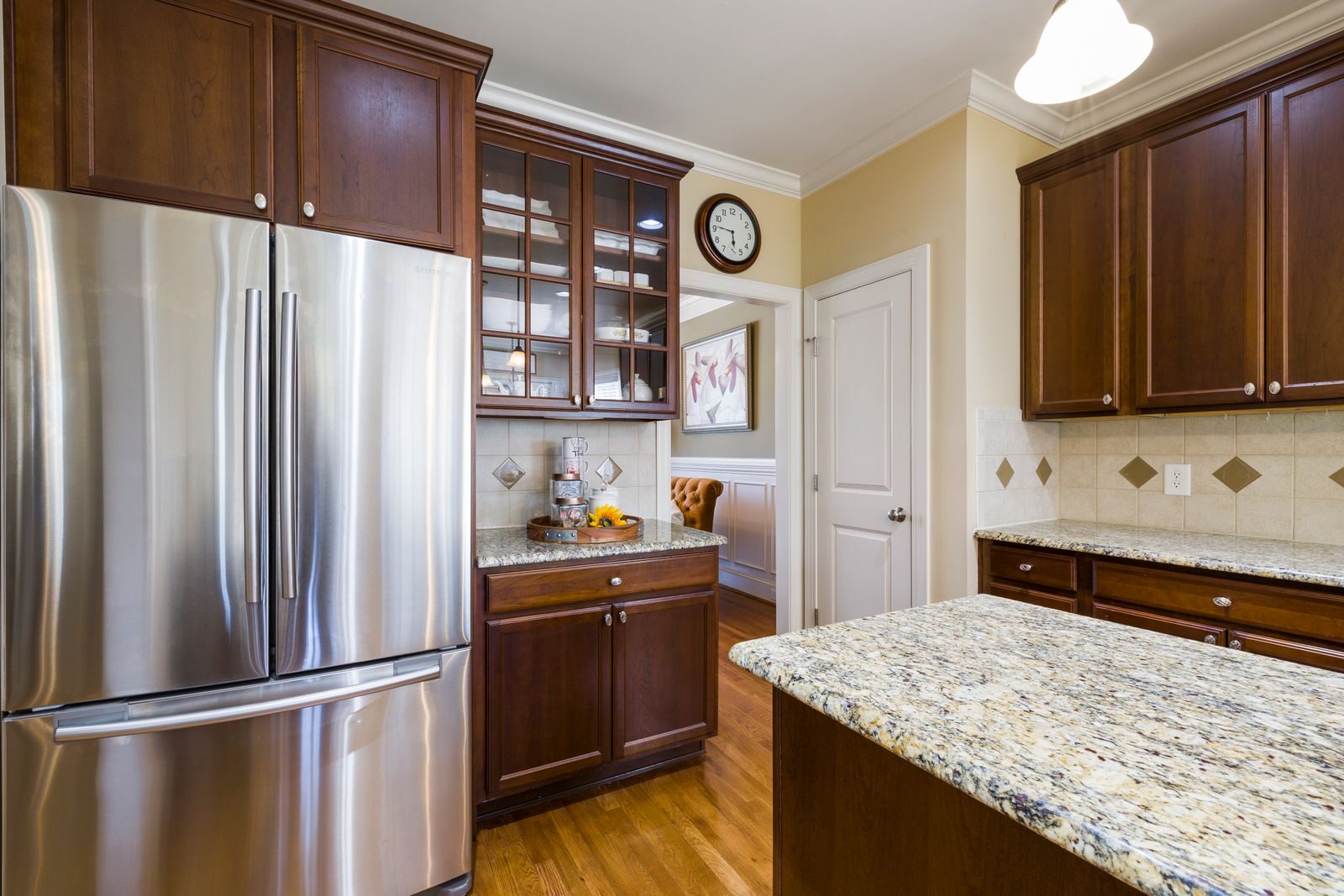
There’s a moment most of us know too well. You open the pantry door. Something falls out. Then you spend three minutes digging around just to find the pasta. After that, you close the door and vow to “organize it this weekend.”
Here’s the good news: in 2026, the pantry closet has officially had its glow-up. What used to be a cluttered afterthought is now one of the most talked-about spaces in American homes. In fact, designers are calling it the “jewel box of the kitchen.” Homeowners from Seattle to Charlotte are investing real time and money into making it work beautifully.
I’ve pulled together 30 of the smartest pantry closet ideas currently trending. These draw on real design data, expert recommendations, and what’s actually working in US homes right now. Whether you’re dealing with a narrow reach-in closet, a modest walk-in, or a tiny apartment shelf setup, there’s something here for every space and budget.
Why Your Pantry Closet Deserves a Serious Upgrade in 2026
Let’s start with a number that might surprise you. The average American household wastes over $1,500 per year on food that gets lost, forgotten, or spoiled. Poor pantry organization is almost always the cause. That’s not a design problem — it’s a money problem. As a result, a well-organized pantry directly reduces food waste, speeds up meal prep, and makes grocery shopping less stressful.
On the real estate side, the numbers are just as compelling. The National Association of Home Builders found that 83% of home buyers want a walk-in pantry. Moreover, a custom pantry delivers a return on investment of 50% to 75%, according to Angi’s 2026 data.
So what’s shifted specifically in 2026? Homeowners and designers are treating pantries as functional showpieces. Rather than hiding them away, they’re designing them with intention. This year’s trends lean toward zoned layouts, natural materials, integrated lighting, and cohesive container systems. Best of all, these upgrades are accessible at a wide range of price points.
Know Your Pantry Type Before You Start
Before diving into specific ideas, it helps to understand your space. The right strategy depends heavily on your pantry’s footprint.
Reach-in (closet-style) pantry: Usually around 5 feet wide by 2 feet deep. You access items by reaching in from the doorway. Because depth is limited, shallow shelves, door storage, and vertical organization are your best tools.
Small walk-in pantry: Typically 5 by 5 feet, or up to 25 square feet total. You can step inside and turn around. As a result, L-shaped or U-shaped shelving configurations work beautifully here. They dramatically increase your usable wall space.
Large walk-in or butler’s pantry: 100 square feet or more. There’s room for custom cabinetry, a countertop surface, and specialty storage like wine racks. These often also include lighting, electrical work, and sometimes a sink.
Cabinet pantry: A tall freestanding unit installed in or near the kitchen. This is common in apartments and smaller homes. Therefore, maximizing vertical space and using pull-out systems are the key strategies.
Now, let’s get into the ideas.
Section 1: The Foundation — Getting Your System Right First
1. Do the Full Reset Before You Buy Anything
The biggest mistake people make is buying bins and baskets before knowing what they have. Instead, empty everything out first. Toss expired items — you’ll almost certainly find some. Then group what remains into categories. Think grains, canned goods, snacks, baking supplies, oils, condiments, and breakfast items.
Only after you know your actual inventory should you measure and shop. A common trap is spending $100 on containers, only to abandon the system later. That usually happens because the system doesn’t fit your real cooking habits. So start with a clear picture of what you have, and design around that reality.
2. Commit to One Container Family
This is the 2026 shift making the biggest visual impact. Previously, most pantries mixed bins, bags, baskets, and jars from different brands. Today’s smartest pantries, however, use one container family throughout. That means the same brand, the same lid style, and the same shape from top to bottom.
When everything is in the same series, the pantry looks uniform and behaves predictably. You know what size fits where. You also know which lids are interchangeable. A set of nine or twelve containers covers bulk staples in one purchase. Furthermore, the result looks magazine-worthy without needing professional help.
For dry goods like flour, sugar, rice, oats, pasta, and cereal, rectangular airtight containers beat round ones. They stack neatly and use shelf space far more efficiently.
3. Create Purposeful Zones
Stop organizing by container type. Instead, organize by how your family actually cooks and eats. Divide your pantry into zones that reflect real daily use:
- Breakfast station: Cereals, oats, granola bars, coffee, tea
- Snack zone: Kids’ snacks, crackers, nuts, dried fruit — at a height everyone can reach
- Baking corner: Flour, sugar, baking soda, extracts, chocolate chips
- Meal prep staples: Canned goods, pasta, rice, broths, sauces
- Wellness area: Protein powders, vitamins, health bars
Place daily items at eye level. Put rarely used items up high or on the floor. As a result, you’ll dramatically cut down on the daily rummaging that makes pantries feel chaotic.
4. Apply the Grocery Store Principle
Professional organizers consistently recommend this approach. Treat your pantry like a mini grocery store. Items you reach for every day go at eye level. Heavy or bulky items — paper towels, large bottles, bags of potatoes — go on the lowest shelf. Rarely used items live up top, accessible by step stool.
Additionally, newer stock goes behind older stock. This is the first in, first out (FIFO) method. Research shows it can reduce household food waste by nearly 30% over six months. That’s a meaningful result from a simple habit shift.
Section 2: Shelving Ideas That Actually Work
5. Replace Wire Shelves (or Work Around Them)
If you have builder-grade wire shelves, you have two options. You can replace them, or you can make them work smarter. Wire shelves cause boxes to tip, let small items fall through the gaps, and generally look cheap. Therefore, installing affordable track shelving or painted plywood is the most impactful upgrade for any reach-in pantry.
The cost is lower than most people expect. A basic five-shelf DIY system can be built for under $50. More extensive setups with solid wood run under $200 for materials. However, if you’re renting or want to avoid the project, a plastic shelf liner works well too. It creates a smooth surface and prevents tipping. It’s not glamorous, but it gets the job done.
6. Go Floor to Ceiling
In any pantry closet, vertical space is almost always underused. So install shelves all the way to the ceiling. Use a step stool for items you access less frequently — seasonal bakeware, party supplies, and backup bulk stock. As a result, upper shelves become a valuable archive zone. This clears your main shelves of clutter.
For reach-in pantries, keep shelves no more than 12 inches deep. Deeper shelves cause smaller items to disappear at the back. In a walk-in, however, 15 to 18 inches of depth on lower shelves works well for large appliances and bulk items. Keep eye-level and upper shelves shallower for better visibility.
7. Install Pull-Out Shelves or Slide-Out Trays
The Houzz 2026 awards identified pull-out shelves as the single most impactful storage upgrade of the year. It’s easy to see why. Pull-out trays transform deep shelves from frustrating black holes into fully accessible storage. Everything slides to the front. Nothing hides.
You can retrofit existing shelves with pull-out trays for $20 to $40 per unit. Custom pull-out systems run $400 to $750 total if installed professionally. Either way, the improvement in daily usability is immediately noticeable.
8. Use Adjustable Shelving Systems
Fixed shelves become a liability the moment your needs change. A new baby, a different cooking phase, or a shift to bulk buying can make them obsolete quickly. Adjustable shelving, on the other hand, lets you reconfigure without a full renovation. Track shelving systems are budget-friendly and offer great flexibility. You can move shelves up or down as your storage needs evolve.
9. Add a Countertop Surface Inside the Pantry
One of the most talked-about 2026 trends is adding a small counter inside or adjacent to the pantry. It creates a dedicated spot for quick coffee stations, decanting dry goods, or meal prep staging. This way, you avoid cluttering the main kitchen counters. A rolling utility cart accomplishes the same thing in smaller spaces. It rolls out when you need it and tucks back in when you don’t.
Section 3: The Door — Your Most Underused Storage Space
10. Mount an Over-the-Door Organizer
The back of a pantry door is prime real estate. Yet most homeowners completely ignore it. An over-the-door rack can hold spices, condiment packets, snack bars, tea bags, foil boxes, or small tools. Heavy-duty metal racks handle the most weight and stay in place best. Shallow-pocket fabric organizers work better for lighter items like spice packets or drink mixes.
For small pantry closets especially, the door can add the equivalent of an entire extra shelf’s worth of storage. That’s a significant gain with zero construction required.
11. Install Spice Racks on the Door Interior
Here’s another door idea worth trying. Dedicate the entire door to spices and condiments. Mount shallow 3 to 4-inch-deep shelves from top to bottom. This frees up your main shelves for bulkier items. Furthermore, labeling each shelf by cuisine type makes finding things effortless. Try Italian spices, baking extracts, Asian sauces, and hot sauces as your four main categories.
12. Use Adhesive Hooks for Flexible Storage
Command-brand adhesive hooks on the inside door panel are a renter-friendly win. They hold reusable shopping bags, aprons, measuring cups, or small baskets. They’re removable and cost almost nothing. In addition, a row of four hooks at the top of the door can hold a full week’s worth of grocery bags. That frees up shelf space without any drilling or damage.
Section 4: Container and Visibility Strategies
13. Decant Everything You Use Regularly
This trend has billions of TikTok views for a good reason — it works. Getting dry goods out of their original packaging and into airtight containers solves multiple problems. Open bags invite humidity, pantry bugs, and stale smells. Sealed containers, however, block all three. They also look dramatically cleaner and make it immediately clear when you’re running low.
Start with your highest-frequency staples: flour, sugar, rice, oats, cereal, and pasta. Then add snack items as you go. You don’t need to decant everything at once. Build the habit gradually.
14. Use Clear Containers Everywhere Possible
Visibility is the single biggest functional upgrade you can make to a pantry closet. When you can see everything at a glance — quantities, levels, and locations — good things follow. You stop buying duplicates. You stop forgetting things exist and you also plan meals much faster. Clear rectangular containers, bins, clear-front baskets, and glass jars all support what designers call “visual inventory.” That’s the ability to take stock of your pantry in seconds.
15. Add Lazy Susans for Deep Shelves
Deep pantry shelves are the natural enemy of small jars. However, a Lazy Susan on each shelf level fixes that problem. It lets you spin items to the front without digging. They’re especially useful in corner pantry setups or anywhere shelves run deeper than 14 inches. Use one for oils and condiments, another for spices, and another for canned goods. Stacking two-tier Lazy Susans doubles your capacity in the same footprint.
16. Use Shelf Risers to Double Your Vertical Space
Shelf risers are stepped platforms that sit on your existing shelves. They create two levels of storage in the space one level would otherwise occupy. They’re particularly effective for spices, canned goods, and small jars. Without risers, items in the back become invisible. Bamboo risers add warmth and look intentional. Wire risers are the most budget-friendly option.
17. Label Everything (Including the Shelves)
Labeling does more than look organized — it makes the system self-sustaining. When every container and shelf zone has a clear label, everyone in the household knows where things belong. As a result, you stop reorganizing after every grocery trip. The system tells people where to put things. Use a label maker for a polished look, chalk labels for a farmhouse feel, or masking tape and a marker to start. Consistency matters more than aesthetics.
Section 5: Design and Aesthetic Upgrades
18. Paint the Interior a Bold or Unexpected Color
White pantry interiors are clean and classic. They’re not the only option, however. In 2026, a standout design trend is painting interior pantry walls in an accent color. Soft sage, dusty blush, slate blue, and deep navy are all popular right now. This transforms the pantry from a utility space into something that feels intentionally designed. Since the pantry door is usually closed, the interior color won’t compete with your kitchen’s palette. Instead, it becomes a pleasant surprise every time you open the door.
19. Add Integrated LED Strip Lighting
Good lighting is a game-changer in any pantry. It’s also one of the top trends interior designers recommend for 2026. LED strips mounted under each shelf illuminate items that might otherwise hide in shadow. They also help you see labels and expiration dates clearly. Motion-activated versions are even better. There’s no fumbling for a light switch when your hands are full of groceries.
For walk-in pantries, a flush-mount ceiling fixture creates an inviting “room” feel. Designer Joann Kandrac of Kandrac & Kole Interior Designs puts it well: good lighting keeps the space from feeling like you’re walking into a cave.
20. Upgrade to Natural Materials
Across the board in 2026, warm neutrals and natural textures are replacing cold all-white and all-plastic setups. Bamboo, rattan, woven baskets, and wood tones bring warmth and a designer feel. Butcher block pull-out shelves and bamboo drawer dividers add visual warmth that cool plastics simply can’t match.
Moreover, natural-fiber bins and baskets work especially well for hiding less-attractive items. Think chip bags, snack pouches, and bulky packaging. They hide the clutter while keeping the overall feel warm and cohesive.
21. Use Mixed Material Finishes for Visual Depth
The all-white or all-wood pantry is giving way to thoughtful combinations. Popular 2026 pairings include matte white cabinet boxes with natural wood open shelving inserts. Also trending are warm greige paint with brushed brass hardware and glass-front upper doors with solid lower fronts. The right finish combination depends on your kitchen’s existing palette. In general, matte finishes hide fingerprints better. That makes them ideal for busy family kitchens.
22. Consider a Hidden Pantry Door
If your walk-in pantry opens into the kitchen, a hidden door is worth considering. It’s designed to look like a continuation of your kitchen cabinetry. Designer Gaia Filippi of Gaia G Interiors notes that concealed pantry entrances are “here to stay.” They provide visual calm in open-plan kitchens by hiding pantry contents from the main living space. For many homeowners, that sense of visual order is worth the added cost.
23. Add a Library Ladder for High-Ceiling Pantries
For walk-in pantries with ceilings above 9 feet, a library ladder on a rail track is a smart upgrade. It gives you stylish access to high storage. Furthermore, it adds a touch of classic character that few other pantry features can match. It’s purely functional — and also one of the most visually striking additions you can make.
Section 6: Small Space and Budget-Friendly Solutions
24. Convert an Existing Closet
If you don’t have a dedicated pantry, the easiest solution is converting an existing closet. A coat closet, linen closet, or any underused space near the kitchen can work beautifully. A closet that meets the 4-by-4-foot minimum can become a true walk-in pantry. The bones are already there: walls, a door, and flooring. Therefore, the work focuses mainly on adding shelving and lighting.
A basic closet conversion costs $500 to $2,000 for shelving only. However, if you add lighting, paint, and higher-quality shelving materials, expect $2,000 to $5,000 for a fully finished result.
25. Use a Slim Rolling Cart for Narrow Spaces
In a narrow walk-in pantry where wall space is tight, a rolling cart is a versatile solution. Look for one that’s 6 to 8 inches wide and at least 60 inches tall. Park it inside, roll it out when you need access to the back of shelves, then slide it back in. Use the top tier for daily items, middle tiers for canned goods, and the bottom for heavier bottles. Additionally, stainless steel carts resist moisture and wipe clean easily — a practical bonus for any kitchen space.
26. Maximize a Tiny Apartment Pantry with a Tall Cabinet Unit
If you’re in an apartment without a dedicated pantry, a tall freestanding cabinet is your best option. A grid of matching clear containers and neatly arranged canned goods can make a basic cabinet look far more polished than its price suggests. Add a turntable on each shelf for easy access. As a result, the system functions nearly as well as a built-in pantry at a fraction of the cost.
27. Repurpose Dollar Store Finds Strategically
Budget-friendly organization is genuinely achievable. For example, over-the-door shoe organizers hold spice packets, drink mixes, or snack pouches. Magazine file holders stand cereal boxes or wrapping paper upright. Tension rods inside cabinets create dividers for cutting boards and baking sheets. Adhesive hooks add vertical storage anywhere. The key is buying purposefully. Identify a specific problem first, then find the cheapest solution that solves it.
28. Implement the “One In, One Out” Rule
This isn’t a physical upgrade — it’s a behavioral one. It may also be the most powerful habit on this entire list. Every time a new item enters the pantry, an old or duplicate one gets used, donated, or discarded. This single rule, when applied consistently, prevents the slow accumulation that turns an organized pantry back into chaos.
Pair it with a weekly 10-minute pantry sweep. Every Sunday, check for expired items, wipe spills, and restock what’s running low. Families who build this habit find that the system becomes self-sustaining. In other words, it stays organized rather than needing a full redo every few months.
Section 7: Advanced and Specialty Ideas
29. Create an Entertaining Zone in Your Pantry
A growing 2026 trend is dedicating a pantry section to entertaining supplies. Think tableware, platters, specialty cocktail ingredients, and paper goods for hosting. Open shelving that displays beautiful china or luxury serving pieces turns the pantry into a butler’s pantry hybrid. For those who regularly host, this is a genuine time-saver. You’re never hunting for the good plates at the last minute. Everything is in one place, ready to go.
30. Install a Pegboard or Magnetic Panel for a Command Center Feel
Free up shelves by hanging measuring cups, aprons, kitchen scissors, and frequently used tools on a pegboard or magnetic wall panel. This “command center” approach is popular in US kitchens that blend function with design. It keeps your most-used tools visible and within arm’s reach. Moreover, it preserves shelf space for food storage. Pegboard is inexpensive, DIY-friendly, and works in both reach-in and walk-in configurations. It’s a low-cost upgrade with a high everyday impact.
What Does Pantry Closet Organization Actually Cost in 2026?
One of the most practical questions homeowners ask is what to expect to pay. Here’s a realistic breakdown based on current market data.
DIY/budget approach (under $200): This includes shelf liners, over-the-door organizers, a clear container set, lazy Susans, and shelf risers from Target, IKEA, or Amazon. Even at this budget, the transformation in a reach-in pantry can be dramatic.
Mid-range upgrade ($500–$2,000): Replace wire shelves with track shelving or solid wood. Add pull-out trays, install LED strip lighting, and invest in a cohesive container system. This is the sweet spot for most US homeowners doing a proper pantry makeover.
Walk-in pantry conversion ($2,000–$5,000): Convert an existing closet with new shelving, lighting, paint, and higher-quality materials. Professional shelving installation runs $50 to $150 per linear foot, according to Angi’s 2026 data.
Custom walk-in pantry build ($5,000–$15,000+): This covers new construction, custom cabinetry, countertops, electrical work, and premium finishes. For premium builds with specialty features, costs can run even higher. However, the proven ROI of 50% to 75% makes it a strong long-term investment.
Before You Start: A Practical Checklist
Don’t let enthusiasm lead you to buy things before you’re ready. Instead, run through this list first.
- Measure everything. Check ceiling height, shelf depth, door clearance, and every wall width.
- Inventory your stock. Empty the pantry completely before buying a single organizer.
- Identify your biggest pain point. Is it visibility? Wasted space? Items falling over? Solve that first.
- Choose a container system before shopping. Pick one brand and commit to it rather than mixing systems.
- Check the door. Does it open fully? Will an over-door organizer clear the adjacent wall?
- Plan your lighting. If your pantry feels dark, no amount of organization will feel satisfying. Budget for at least under-shelf LED strips.
For more detailed guidance on planning a pantry renovation, Angi’s pantry cost and planning guide is one of the most thorough resources available for US homeowners. It includes real contractor data on costs and materials.
Internal Resource
If you’re thinking beyond the pantry and want to tackle the whole kitchen, check out our guide on Kitchen Organization Ideas That Actually Work: A Room-by-Room Plan. It’s a comprehensive approach to creating a kitchen that functions as beautifully as it looks.
Frequently Asked Questions About Pantry Closet Organization
1. What is the most important first step when organizing a pantry closet?
Empty everything out before buying a single organizer. Most people skip this step. As a result, they end up with storage solutions that don’t match what they actually have. A full pantry reset — removing every item, discarding expired goods, and grouping what remains into categories — gives you the clear picture you need to build a system that truly works.
2. How deep should pantry closet shelves be?
For reach-in pantry closets, keep shelves no more than 12 inches deep. This ensures you can see everything without digging. In a walk-in pantry, however, lower shelves can go 15 to 18 inches deep. That extra depth is great for large appliances, bulk items, and paper goods. Upper and eye-level shelves should stay at 10 to 12 inches for the best visibility and access.
3. What are the best containers for pantry closet organization in 2026?
The 2026 trend is committing to one container family throughout your pantry. Rectangular airtight containers are preferred over round ones because they stack without wasted space. Top-rated options include OXO Good Grips, Rubbermaid Brilliance, and IKEA’s Korken series. For a budget-friendly start, any matching set of clear rectangular containers from Target or Amazon will deliver a significant visual upgrade.
4. How do I organize a small pantry closet with limited space?
In a small reach-in pantry, focus on these five strategies. First, install shelves all the way to the ceiling. Second, use the door for an over-door organizer. Third, keep shelves no deeper than 12 inches. Fourth, use shelf risers to create double layers on each shelf. Finally, decant dry goods into clear containers so everything is visible at a glance. These steps together transform even the smallest closet pantry into a functional space.
5. Is it worth hiring a professional pantry organizer?
For many homeowners, yes. Professional closet organizers charge $50 to $100 per hour, or a flat fee of $500 to $2,500 per project depending on scope. If you’re overwhelmed by the planning process, or if your walk-in pantry has complex shelving needs, a professional can be worth every dollar. They prevent costly mistakes and help you avoid buying things you won’t use. For a simple reach-in pantry, however, a well-planned DIY approach works just as well.
6. How do I keep my pantry closet organized long-term?
The system matters less than the habits. Three habits make the biggest long-term difference. First, label everything so household members always know where things go. Second, use the “one in, one out” rule so items don’t accumulate. Third, do a quick 10-minute pantry sweep every week to check for expired items and restock what’s low. Families who follow these habits consistently find that an organized pantry stays organized — without needing a full redo every few months.
7. What is the difference between a reach-in and a walk-in pantry closet?
A reach-in pantry is typically around 5 feet wide by 2 feet deep. You access everything from the doorway by reaching inside. A walk-in pantry, on the other hand, is closer to 5 by 5 feet or larger. You can physically step inside and move around. Walk-in pantries also allow for L-shaped and U-shaped shelving layouts, which dramatically increase total wall storage space. Reach-in pantries are more common in US homes built before 2000, while newer construction increasingly includes at least a small walk-in.
8. Can I convert a regular closet into a pantry closet?
Absolutely — and it’s one of the most popular home organization projects in the US right now. A coat closet, linen closet, or any underused space near the kitchen can become a functional pantry. The minimum size for a true walk-in is roughly 4 by 4 feet. A basic shelving-only conversion costs $500 to $2,000 depending on materials. If you also add lighting, a fresh paint color, and upgraded shelving, expect $2,000 to $5,000 for a fully finished result.