

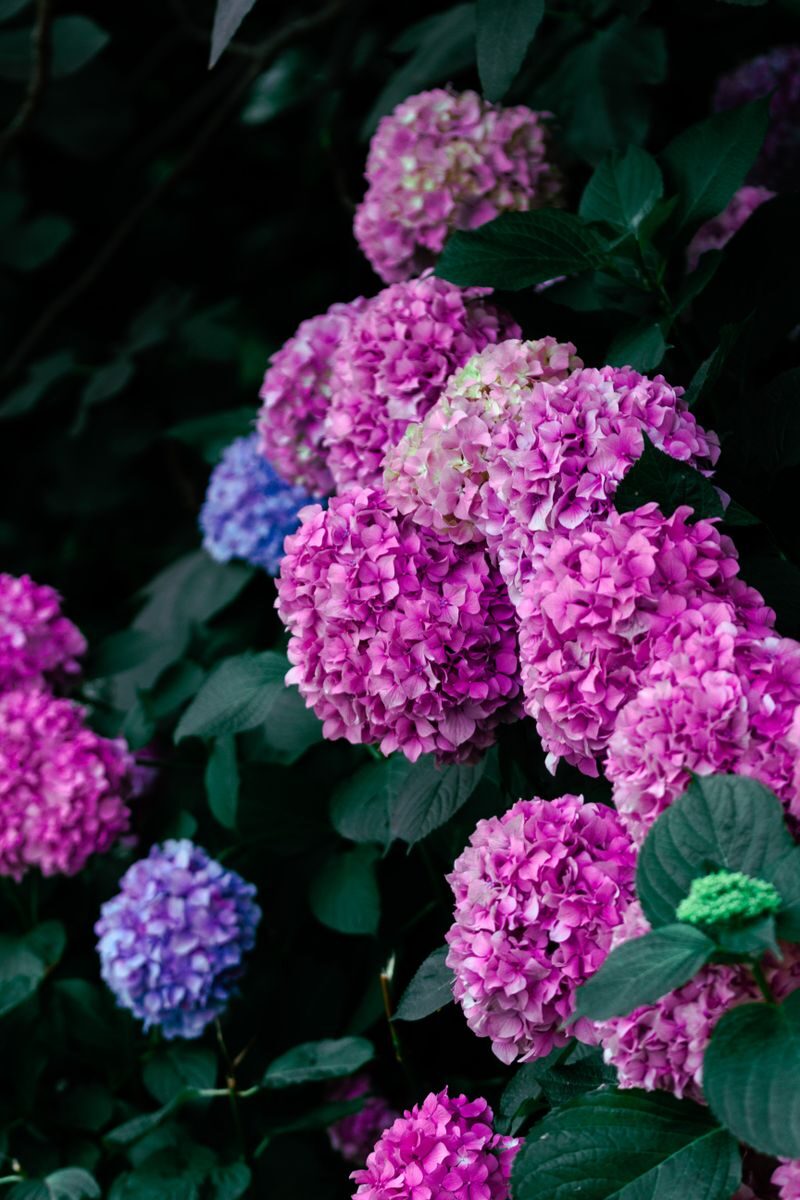
If your azaleas look yellow and sad every spring, there’s a good chance the problem isn’t your green thumb — it’s your soil pH. I learned this the hard way a few years ago after moving to a house with heavy clay soil and spending an entire season wondering why my hydrangeas refused to bloom. Once I finally tested the soil and found it was sitting well above 7.0, everything clicked. Acid-loving plants aren’t fussy for no reason. They’ve simply evolved to pull nutrients like iron and manganese from soil that most other plants can’t use efficiently.
This guide covers 25 of the best acid-loving plants for US gardens in 2026, plus a practical, no-nonsense care guide for lowering and maintaining soil pH so these plants actually thrive instead of just surviving.
What Does “Acid-Loving” Actually Mean?
Acid-loving plants, sometimes called “calcifuge” plants, grow best in soil with a pH between 4.5 and 6.0. Below 7.0 is acidic, 7.0 is neutral, and anything above that is alkaline. In acidic soil, these plants can absorb iron and other micronutrients properly. In alkaline soil, those same nutrients become chemically locked up, even if they’re technically present in the ground. Which is why you’ll often see the telltale yellow leaves with green veins on plants like hydrangeas or blueberries growing in the wrong soil.
The 2023 USDA Plant Hardiness Zone Map update, which is still the current reference gardeners are using in 2026, shifted about half of the country half a zone warmer based on 30 years of temperature data. That matters here because several acid-loving shrubs and trees on this list (especially camellias and some rhododendron varieties) are now viable in areas that used to be considered too cold for them. If you haven’t checked your zone since the update, it’s worth doing before you plant — you can look it up for free on the official USDA Plant Hardiness Zone Map.
Before buying anything, test your soil. A basic drugstore pH kit will get you in the ballpark, but if you want reliable numbers (and recommendations specific to your region), send a sample to your local county extension office. Most charge under $20 and turn results around in a couple of weeks. We cover exactly how to do this step by step in our guide to testing soil pH at home, which is worth reading before you start amending anything.
25 Best Acid-Loving Plants for US Gardens
Shrubs
- Azalea (Rhododendron spp.) – The classic acid-loving shrub for Southern and Pacific Northwest gardens. Thrives in pH 4.5–6.0 and partial shade.
- Rhododendron – A larger cousin of the azalea, hardy in zones 4–8 depending on variety. Needs excellent drainage plus acidic soil.
- Camellia – A Southern favorite for winter and early spring blooms. Newer cold-hardy cultivars now perform well into zone 6b following the zone shift.
- Hydrangea (bigleaf/mophead types) – Famous for changing bloom color based on pH: blue in acidic soil, pink in alkaline. A fun, visual way to track your soil chemistry.
- Blueberry (Highbush and Rabbiteye) – One of the few edible crops that genuinely requires acidic soil (pH 4.5–5.5) to fruit well.
- Gardenia – Fragrant and dramatic, but notoriously sensitive to alkaline soil; a top cause of gardenia failure in the Southeast.
- Pieris (Japanese Andromeda) – Evergreen shrub with drooping flower clusters, great for shaded acidic beds in zones 5–8.
- Mountain Laurel (Kalmia latifolia) – A native Eastern US woodland shrub that pairs naturally with rhododendrons.
- Fothergilla – A lesser-known native shrub with excellent fall color, ideal for acidic, moist soil.
- Leucothoe – Shade-tolerant evergreen groundcover shrub, good for woodland borders.
Trees
- Dogwood (Cornus florida) – Iconic flowering tree across the Eastern and Southern US; prefers acidic, well-drained soil.
- Japanese Maple – Performs best in slightly acidic soil and benefits from consistent moisture.
- Magnolia – Many magnolia species prefer acidic to neutral soil, especially Southern magnolia.
- River Birch – Tolerant of wet soil and naturally suited to acidic conditions.
- Holly (Ilex spp.) – Both American holly and Japanese holly do best in acidic soil, which supports their glossy foliage.
- Sourwood (Oxydendrum arboreum) – A native Southeastern tree valued for fall color and summer flowers.
Perennials & Groundcovers
- Ferns (most woodland species) – Ostrich fern, cinnamon fern, and lady fern all favor acidic, humus-rich soil.
- Astilbe – Shade perennial with feathery plumes; performs best in moist, acidic soil.
- Bleeding Heart – A spring shade favorite that appreciates slightly acidic, rich soil.
- Lily of the Valley – Fragrant groundcover for shaded, acidic beds (note: toxic if ingested, so plant away from pets and kids).
- Trillium – A native woodland wildflower found naturally in acidic forest soils across the East and Midwest.
- Wintergreen (Gaultheria procumbens) – Low-growing native groundcover with red berries, good for acidic shade gardens.
- Heather and Heath (Calluna and Erica) – Popular in cooler climates; needs sharp drainage plus acidic soil.
- Bunchberry (Cornus canadensis) – A native groundcover relative of dogwood, ideal for cold-climate acidic woodland gardens.
- Japanese Iris (Iris ensata) – Unlike most irises, this species prefers consistently moist, acidic soil.
How to Lower Soil pH (And Keep It There)
Getting your soil acidic enough is only half the job. The real challenge is maintaining it, since most US soils naturally drift back toward neutral or alkaline over time. Especially in regions with limestone-heavy bedrock like much of the Midwest and Texas Hill Country.
Elemental sulfur is the most reliable long-term option. It’s slow-acting (expect results over several months) but the change lasts longer than faster amendments. Apply it in early spring or fall and work it into the top few inches of soil.
Aluminum sulfate works faster and is popular for hydrangeas specifically, but it’s easier to overapply and can build up aluminum in the soil over time, so use it sparingly.
Organic mulch, especially pine needles, pine bark fines, and peat moss, acidifies soil gradually as it breaks down and also helps retain moisture — something most acid-loving plants need anyway.
Coffee grounds are popular on gardening forums, but their acidifying effect is mild and inconsistent once composted. Treat them as a minor supplement, not a primary strategy.
Avoid over-fertilizing with high-lime products or planting near concrete foundations and walkways, both of which leach lime into surrounding soil and slowly push pH upward.
Retest your soil every 12 months. PH changes are gradual, and overcorrecting can shock plant roots or cause nutrient lockout in the opposite direction.
Regional Notes for US Gardeners
- Pacific Northwest (zones 7–9): Naturally acidic soil in much of Oregon and Washington makes this one of the easiest regions in the country for rhododendrons, azaleas, and blueberries.
- Southeast (zones 7–9): Naturally acidic clay soils support camellias, azaleas, and dogwoods well, but drainage often needs improving with raised beds or amended planting holes.
- Midwest (zones 4–6): Many areas sit on alkaline, limestone-derived soil, so amendment with sulfur or peat is usually necessary before planting acid-lovers.
- Northeast (zones 5–7): Naturally acidic forest soils make this region ideal for mountain laurel, ferns, and native woodland perennials.
- Southwest (zones 8–10): Alkaline, low-organic-matter soil is the biggest hurdle here; raised beds with amended soil mixes are often more practical than in-ground planting.
Frequently Asked Questions
What is the ideal soil pH for acid-loving plants? Most acid-loving plants perform best in a pH range of 4.5 to 6.0. Blueberries and azaleas sit toward the more acidic end of that range, while hydrangeas and dogwoods tolerate slightly higher pH within the same window.
How can I tell if my soil is too alkaline for these plants? The most common sign is iron chlorosis — yellowing leaves with green veins, especially on new growth. Stunted growth, poor flowering, and pale foliage are also common warning signs, but a soil pH test is the only way to confirm it.
Can I grow blueberries if my soil isn’t naturally acidic? Yes, but you’ll need to amend it before planting and maintain it long-term with sulfur or acidic mulch. Many gardeners in alkaline regions grow blueberries in raised beds or large containers filled with an acidic soil mix instead of fighting native soil.
Do coffee grounds actually lower soil pH? Fresh coffee grounds are mildly acidic, but the effect is small and short-lived, especially once they break down. They’re a fine supplement to mulch but shouldn’t be relied on as your main pH-lowering strategy.
How often should I test my soil pH? Once a year is enough for most home gardens. If you’ve recently amended your soil or planted something particularly sensitive, like blueberries or gardenias, testing every six months for the first year or two helps you catch drift early.
Are acid-loving plants safe to plant near a house foundation? Generally, it’s better to avoid it. Concrete and mortar leach lime into nearby soil over years, gradually raising pH and undoing your amendments. If you have no other option, plan on more frequent sulfur applications in that area.
Which acid-loving plants tolerate full sun? Blueberries, heather, and many hydrangea varieties handle full sun reasonably well, especially with consistent moisture. Azaleas, rhododendrons, ferns, and most woodland perennials prefer partial to full shade and can scorch in intense afternoon sun.
Has the 2023 USDA hardiness zone update changed which acid-loving plants I can grow? For many gardeners, yes. Areas that shifted half a zone warmer can now successfully grow some camellias and rhododendron varieties that previously needed winter protection or wouldn’t survive at all. It’s worth rechecking your zone on the official USDA map before planting anything borderline for your area.
Soil pH is one of those garden fundamentals that’s easy to overlook until plants start struggling — but once you get it right, acid-loving plants are some of the most rewarding additions you can make to a US garden, from spring azaleas to summer blueberries.