

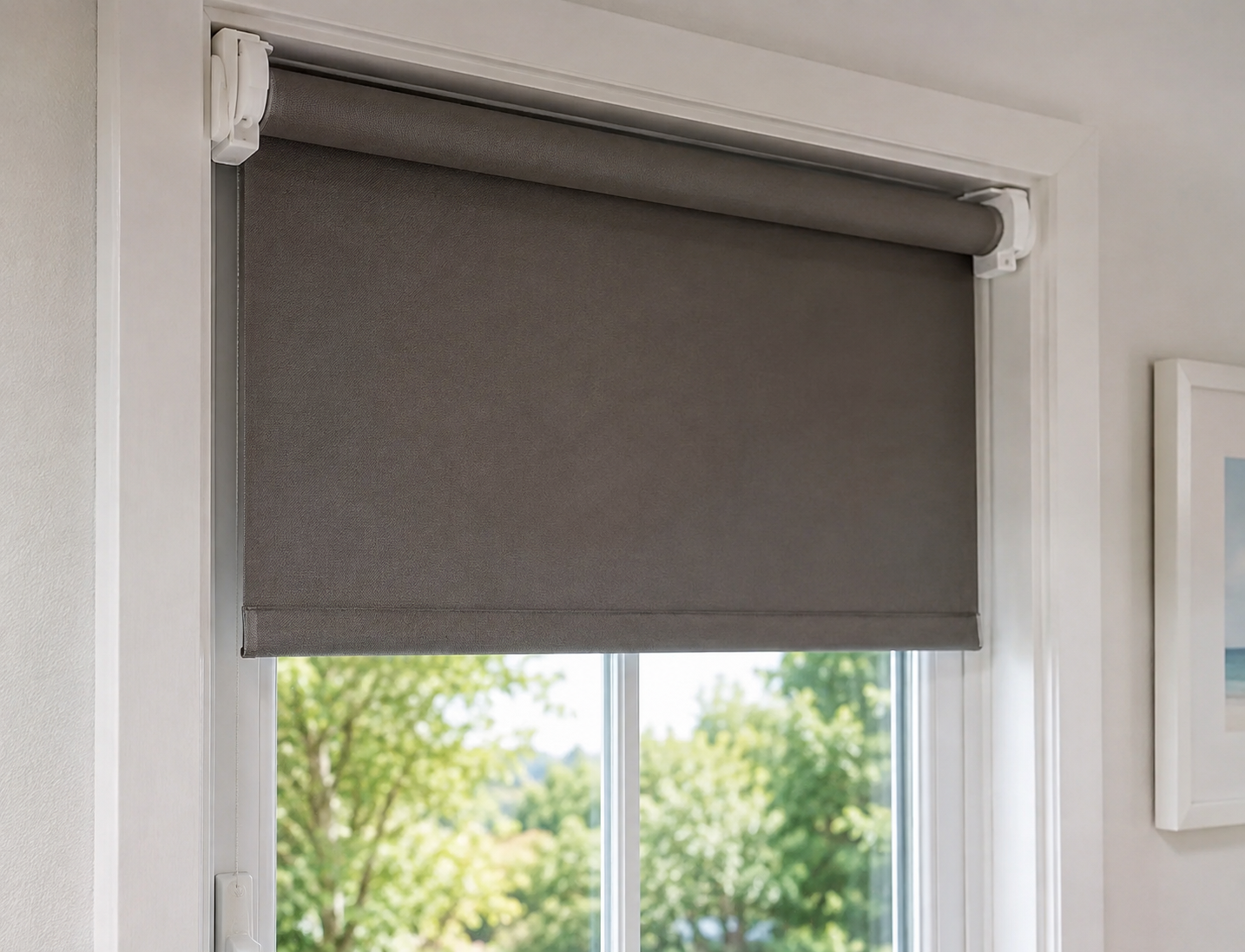
Renting an apartment shouldn’t mean staring at bare windows for a year. But most lease agreements are clear: no drilling into the frames, and no exceptions. Luckily, you don’t need a single screw to get real privacy and light control anymore.
No drill blinds have come a long way. Today’s options include tension rods, adhesive brackets, magnetic mounts, and even motorized shades. Most of them install in under 15 minutes. This guide breaks down every major type available in 2026, what each one costs, and which style fits your specific window. By the end, you’ll know exactly what to buy, and what to avoid.
What Are No Drill Blinds, Exactly?
No drill blinds are window coverings that mount without screws, brackets, or wall damage. Instead, they rely on pressure, adhesive, or clip-in hardware to stay in place. That makes them ideal for renters, historic homes with delicate trim, or anyone who simply doesn’t want to deal with a power drill.
There are three main mounting styles on the market right now:
- Tension rod (pressure-mounted) blinds: A spring-loaded rod expands inside your window recess and holds itself in place through friction.
- Adhesive-mounted blinds: Brackets stick directly to your frame or wall using strong industrial adhesive, no tools needed.
- Click-in or “Perfect Fit” blinds: These clip into the window beading itself, mostly on uPVC windows, and move with the sash.
Each style has real trade-offs. Let’s walk through them one at a time.
Tension Rod Blinds: The Most Popular No Drill Option
Tension rod blinds work the way a shower curtain rod does. A spring-loaded bar expands inside your window recess, and the pressure against the side walls holds everything in place. No screws. No adhesive and no damage.
This style suits roller blinds, pleated shades, and even lightweight Roman shades. Installation typically takes five to ten minutes, and removal is just as fast.
Best for: Renters, short-term stays, and standard window recesses with straight, sturdy sides.
Watch out for: Weight limits. Tension rods work best with lighter fabrics, and they can sag over wide windows or heavier blackout materials. They’re also not the most secure option in high-traffic rooms, since a hard bump can knock them loose.
Adhesive-Mounted Blinds: Best for Shallow or Uneven Frames
If your window frame is too shallow for a tension rod, adhesive-mounted blinds are usually your next best bet. Small brackets attach with heavy-duty adhesive strips, and once cured, they hold surprisingly well.
This method also works for outside-mount installations, meaning you can mount the blind on the wall above the window rather than inside the recess. That’s a useful trick if you want better light coverage or a slightly larger blind than your window opening allows.
Best for: Shallow window frames, outside-mount installs, and PVC surfaces where tension mounting isn’t reliable.
Watch out for: Humidity. Adhesive can loosen over time in bathrooms or kitchens, so check the product specs before buying for a steamy space.
Click-In “Perfect Fit” Blinds: The Premium No Drill Option
If you have modern uPVC windows or French doors, click-in blinds are worth the extra cost. These clip directly into the window’s bead, sitting flush against the glass. Because the frame overlaps the edges of the pane, they create a much tighter seal than a tension rod ever could.
That seal matters more than it sounds. A tension-mounted blind hangs like a curtain, leaving gaps at the top and sides where light and drafts sneak through. A click-in system essentially closes that gap, which means better blackout performance and noticeably less heat loss in winter.
Best for: uPVC windows, tilt-and-turn frames, nurseries or bedrooms needing near-total blackout, and anyone chasing better energy efficiency.
Watch out for: Compatibility. Click-in systems only work with certain window types, so measure carefully or consult the manufacturer’s fitting guide before ordering.
What No Drill Blinds Cost in 2026
Pricing varies by mounting style, fabric, and size, but here’s a realistic breakdown for standard window sizes across major US retailers:
- Basic tension rod roller blinds: $25–$60 per window
- Cellular or pleated tension-mount shades: $40–$90 per window
- Adhesive-mounted roller or Roman shades: $50–$120 per window
- Click-in “Perfect Fit” style blinds: $80–$180 per window
- Motorized, app-controlled no drill shades: $150–$350 per window
Custom sizes and blackout fabric both push prices toward the higher end of each range. If you’re outfitting a full apartment, buying multiple blinds from the same retailer often unlocks a meaningful bundle discount, so it’s worth checking before you order window by window.
Motorized No Drill Blinds Are Finally Practical
A few years ago, motorized shades meant permanent hardware and a professional install. That’s no longer true. In 2026, several brands sell tension-mounted roller blinds with the motor built directly into the tube, so the whole unit still installs without a single screw.
These systems typically pair with a smartphone app or a smart home hub, letting you schedule your blinds to open at sunrise or close automatically at dusk. The catch is weight and torque. A motor adds bulk to the roller, which means the tension bracket needs a firmer grip than a standard blind requires. If you’re considering a motorized option, look specifically for reinforced or high-friction brackets built to handle the extra load, and don’t assume every basic tension rod can support one.
A Safety Note Every Buyer Should Know
If you have young children or pets at home, cord safety should factor into your decision. The U.S. Consumer Product Safety Commission has identified corded window coverings as one of the top hidden hazards in American homes, warning that strangulation risks are real even with an adult nearby. The good news: most no drill blinds sold today, including tension rod and click-in styles, come cordless or use a wand instead of a dangling pull cord. Still, it’s worth double-checking the product listing before you buy, especially for a nursery or playroom.
How to Measure Your Window for a No Drill Blind
Getting the measurements right matters more with no drill blinds than with traditional drilled installs, since you can’t compensate with extra bracket placement. Here’s the quick version:
- Measure the width in three spots, top, middle, and bottom of the recess, and use the smallest number.
- Measure the depth of your window recess. Most tension rods need at least 1.5 to 2.5 inches of depth to sit securely.
- Check for obstructions like handles, locks, or uneven trim that could interfere with a snug fit.
- Round down slightly for inside-mount tension rods. A blind that’s a hair too wide won’t compress properly, while one that’s slightly narrower will still hold with enough spring tension.
- Add extra width for outside-mount adhesive brackets, typically two to three inches beyond the window opening on each side for better light blocking.
If your recess is shallow, uneven, or narrower than 1.5 inches deep, skip the tension rod and go straight to an adhesive or click-in option instead.
No Drill Blinds vs. Traditional Blinds: Is the Trade-Off Worth It?
Traditional drilled blinds are more secure and generally handle heavier fabrics better. But for most renters and apartment dwellers, that advantage doesn’t outweigh the downsides: lease violations, patched drywall, and lost security deposits.
No drill blinds have closed most of the performance gap in the last few years. Click-in styles now rival drilled blinds for blackout and insulation, and even basic tension rods hold up fine for lightweight roller and pleated shades. The one place traditional blinds still win outright is with very wide or very heavy window treatments, where a permanent bracket simply provides more support than pressure or adhesive can match.
If you’re weighing your full range of options before committing to a style, our complete guide to choosing the right window treatment for every room covers fabric weights, light control ratings, and room-by-room recommendations in more depth.
Where to Shop for No Drill Blinds in the US
Availability varies by retailer, so it helps to know where to start looking based on your priorities.
- Big-box and home stores (Target, IKEA, The Home Depot) carry budget-friendly tension rod blinds in standard sizes, ready for same-day pickup in most US cities.
- Specialty online blind retailers (Blinds.com, Blindsgalore, Factory Direct Blinds) offer custom sizing, wider fabric selection, and dedicated measuring guides, which matters if your window falls outside standard dimensions.
- Marketplace sellers (Amazon, Wayfair) tend to have the fastest shipping and the broadest price range, from budget tension rods under $30 to premium motorized systems.
- Local blind and drapery shops are worth a visit if you want a click-in “Perfect Fit” system professionally measured, since these installs benefit from an accurate in-person fit.
If you live in a climate with strong seasonal sun exposure, like the Southwest or the Gulf Coast, ask about UV-resistant fabric coatings when comparing listings. Standard fabric can fade or weaken faster under intense, prolonged sunlight, and a UV-treated option typically costs only a few dollars more per window.
Actionable Tips Before You Buy
- Buy from a retailer with a real return policy. No drill blinds are notoriously easy to mismeasure, and a flexible return window saves you from being stuck with the wrong size.
- Order swatches before committing to blackout fabric. Color and opacity often look different online than they do against your actual window light.
- Check the maximum recommended width for tension rods. Most brands cap out around 36 to 48 inches before sag becomes a real issue.
- Clean your frame before installing adhesive brackets. Dust and residue are the number one reason adhesive mounts fail early.
- Keep the original packaging for a few weeks. If a bracket loosens or a rod doesn’t hold tension, most retailers want the original box for an exchange.
Final Thoughts
No drill blinds have gone from a compromise to a genuinely solid choice for most American renters and homeowners alike. Whether you need a quick tension rod fix for a temporary stay or a click-in system that rivals professionally installed blinds, there’s a no-damage option that fits nearly every window and budget in 2026. Measure carefully, match the mounting style to your window depth, and you’ll get a result that looks intentional, not improvised.
Frequently Asked Questions
Do no drill blinds actually stay in place? Yes, when sized and installed correctly. Tension rods rely on spring pressure against your window recess, adhesive brackets use industrial-strength adhesive, and click-in styles clip directly into the window frame. Each method holds securely as long as you follow the manufacturer’s weight and width guidelines.
Will no drill blinds damage my walls or paint? Generally, no. Tension rods and click-in systems don’t touch the wall at all, and quality adhesive brackets are designed to remove cleanly without pulling paint. That said, always test adhesive on an inconspicuous spot first, especially on older or freshly painted trim.
What’s the best no drill blind option for renters? Tension rod blinds are usually the easiest and most affordable choice for renters, since they install and remove in minutes with zero residue. If your lease allows light adhesive use, adhesive-mounted blinds offer a more secure fit for slightly heavier fabrics.
Can no drill blinds provide full blackout coverage? Yes, particularly click-in “Perfect Fit” styles, which seal tightly against the window frame and block nearly all light gaps. Tension rod blinds can still achieve strong blackout performance, but expect a small amount of light leakage around the edges.
How much do no drill blinds typically cost? Basic tension rod roller blinds start around $25 to $60 per window, while premium click-in or motorized options can run $150 to $350 per window depending on size and fabric. Custom and blackout fabrics generally cost more than standard light-filtering options.
Are no drill blinds safe for homes with kids or pets? Most no drill blinds sold today are cordless or use a wand control, which significantly reduces strangulation risk. Always check the product description for cord-free or “safe for kids” labeling before purchasing, especially for a nursery or playroom.
Can I install no drill blinds on uneven or older window frames? It depends on the mounting type. Tension rods need straight, sturdy sides to hold properly, so uneven or older frames often do better with adhesive brackets, which don’t rely on consistent pressure to stay secure.
Do motorized no drill blinds require an electrician? No. Most motorized tension-mount blinds run on rechargeable batteries and pair with a smartphone app, so installation stays entirely tool-free. You won’t need an electrician or any wiring work.
Pricing and product availability reflect US retailer listings as of June 2026 and are subject to change. Always confirm current measurements, weight limits, and safety certifications on the specific product page before purchasing.