

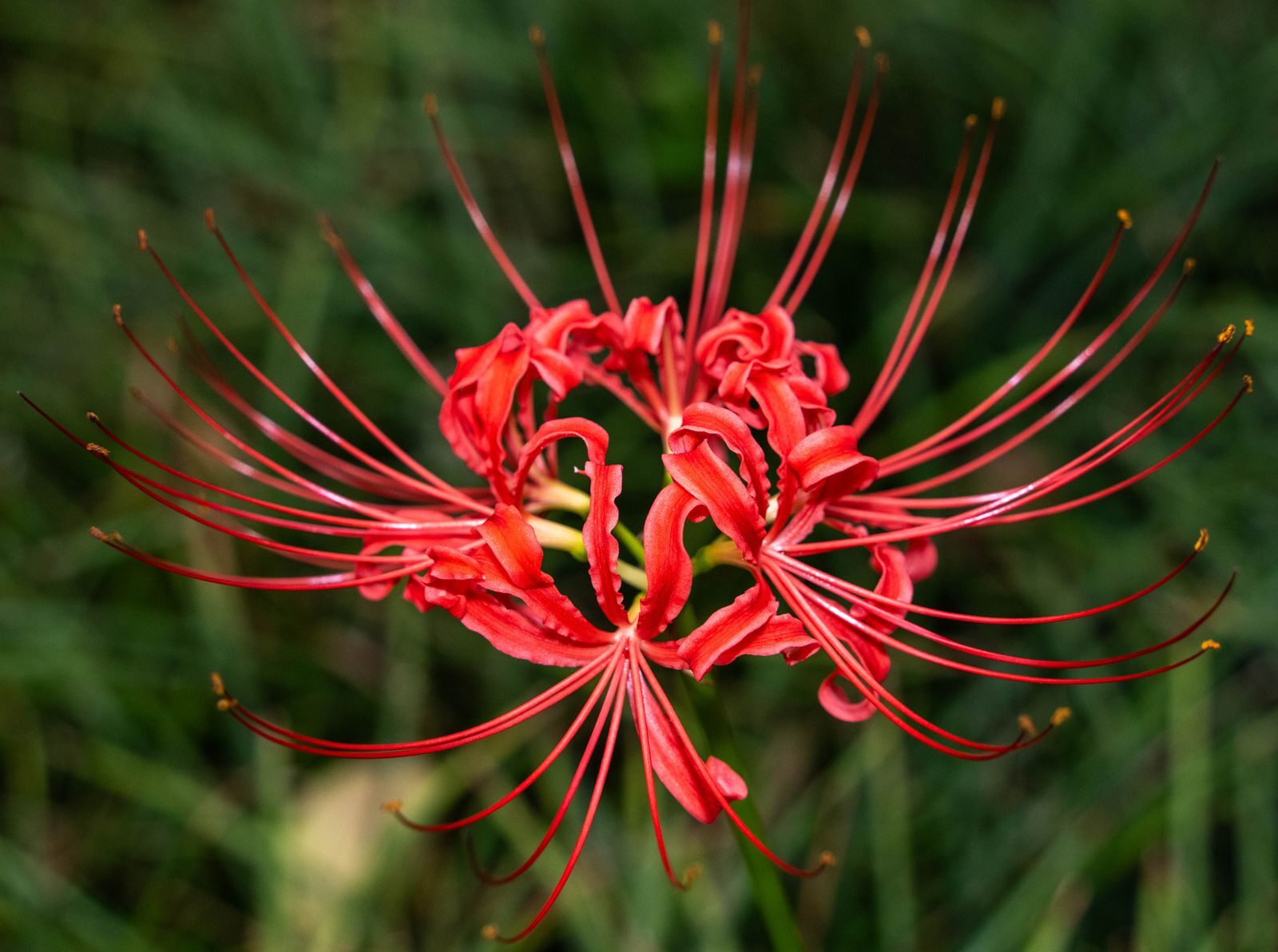
If you’ve ever walked past a garden in midsummer and stopped dead in your tracks at a towering, otherworldly bloom that looked like something between a firework and a tarantula, chances are you were looking at a cleome. The spider flower is one of those plants that earns a second glance every single time — and once you’ve grown it, you’ll find yourself making room for it every year.
I’ve been growing cleome in my own backyard border for several seasons now, and what keeps me coming back is how effortlessly dramatic it is. It asks for very little and gives back an enormous amount: height, color, fragrance, and an absolutely relentless parade of pollinators from mid-June straight through the first hard frost.
Whether you’re a seasoned gardener or you just picked up your first packet of seeds, this guide will walk you through everything you need to know about growing and caring for spider flower in the USA — including the best new varieties for 2026.
What Is Spider Flower (Cleome)?
Spider flower (Cleome hassleriana, sometimes listed as C. houtteana or C. spinosa) is a fast-growing annual native to South America — specifically Paraguay, Uruguay, Argentina, and southern Brazil. It has been a beloved cottage garden staple since the 1800s, and it’s easy to see why.
The “spider” name comes from two places: the long, thread-like stamens that jut out from each bloom like spindly legs, and the elongated seedpods that dangle beneath the flowers like spider legs reaching downward. Up close, it really does look like something alive and reaching.
Plants grow quickly from seed, shooting up to 3–6 feet tall (and sometimes taller) from a sturdy taproot. They branch freely and, given enough elbow room, can spread nearly as wide as they are tall. The stems are often lightly spiny — which, as it turns out, is one reason deer give them a wide berth.
Flowers come in shades of pink, lavender, purple, rose, and white, and they’re mildly fragrant — sweet with a faint musky undertone that some people love and others barely notice. Blooms form in large, loose clusters at the top of each stem, opening progressively upward from bottom to top over weeks.
Quick-Reference Growing Guide
| Feature | Details |
|---|---|
| Scientific Name | Cleome hassleriana |
| Common Names | Spider flower, grandfather’s whiskers, spider legs |
| Plant Type | Tender annual |
| USDA Hardiness | Grown as annual in Zones 2–11 |
| Mature Height | 3–6 feet |
| Bloom Time | Early summer to first frost |
| Light | Full sun (part shade in hot southern climates) |
| Soil | Average to fertile, well-drained |
| Water | Moderate; drought tolerant once established |
| Pollinators | Hummingbirds, bees, butterflies, hummingbird moths |
Choosing the Right Variety
The classic heirloom cleomes are wonderful, but modern breeding has produced some genuinely exciting options worth knowing about, especially heading into the 2026 growing season.
Classic heirloom varieties worth growing include ‘Helen Campbell’ (pure white, stunning in moonlit gardens), ‘Rose Queen’ (vibrant rose-pink), ‘Pink Queen’ (soft blush), and ‘Cherry Queen’ (deep cherry-rose). These all self-seed freely, which many cottage gardeners consider a bonus.
‘Señorita Rosalita’ is probably the most talked-about modern cleome. It’s a sterile hybrid, meaning it puts all its energy into flowers rather than seeds — producing blooms profusely all along the stem rather than just at the top. No thorns, no strong foliage odor, no seedpods to manage. It was just named the 2026 Landscape Annual of the Year by Proven Winners, which is a well-earned honor. At around four feet tall with vibrant lavender-pink blooms, it’s a standout.
‘Señorita Blanca’ (white) and ‘Señorita Mi Amor’ (bright pink) round out the sterile hybrid series if you want a cohesive look without the reseeding.
‘Sparkler Blush’ is a more compact dwarf variety — great for containers or the front-to-middle of a border rather than the back.
How to Grow Spider Flower from Seed
Cleome is easy to start from seed, but there are a few tricks that make the difference between patchy germination and a flush of healthy seedlings.
Starting Indoors
Start seeds indoors 6 to 8 weeks before your last average frost date. Across much of the USA, that means starting in late February or early March for a May planting in the Northeast and Midwest, or mid-February for southern gardeners.
Before sowing, cold-stratify your seeds: place them in a slightly damp paper towel, fold it up, put it in a plastic bag, and refrigerate for 3–5 days. This mimics the natural conditions seeds experience over winter and dramatically improves germination rates.
Sow seeds on the surface of moist seed-starting mix — don’t bury them, as they need light to germinate. Keep the soil temperature around 70–75°F. Germination typically takes 7–14 days.
One important note: cleome seeds don’t stay viable long. Use fresh seed each year if possible, as germination rates drop significantly after about 12 months in storage.
Direct Sowing Outdoors
You can also direct sow cleome in the garden after all danger of frost has passed and the soil has warmed. In most of the continental US, that’s mid-April through late May depending on your zone.
Scatter seeds on the surface and press them lightly into the soil — again, don’t cover them. Water gently and keep the area consistently moist until germination. Thin seedlings to at least 12–18 inches apart once they’re a few inches tall.
Hardening Off
If you started seedlings indoors, harden them off over 7–10 days before transplanting — setting them outside in a sheltered spot for a few hours each day, gradually increasing exposure. Cleome transplants easily when young, but try not to disturb the taproot once plants are established.
Sun, Soil, and Site
Light: Spider flower loves full sun. In Zones 2–5, plant in the sunniest spot you have. In Zones 6–11 (the South and Southwest), a little afternoon shade can actually help prevent heat stress on the hottest days and extends bloom life.
Soil: Cleome is forgiving about soil quality — it grows in average, even somewhat poor soils as long as drainage is good. Rich, fertile soil is fine, but very high nitrogen levels can actually encourage excessive leaf growth at the expense of flowers. Don’t over-amend.
Site selection: Because cleome grows tall and the stems can catch wind, choose a spot that offers some shelter — the middle to back of a mixed border is ideal. Pairing it with sturdy mid-height companions like zinnias, cosmos, or rudbeckia gives it visual support and fills in the gaps at ground level.
Watering
Spider flower is more drought tolerant than most annuals once established, thanks to its sturdy taproot. That said, consistent moisture in the first few weeks after transplanting gives plants the best start.
During dry spells — especially in hot regions like the Southeast, Texas, and the Southwest — supplemental watering once or twice a week will keep plants looking their best and blooming continuously. Water at the base rather than overhead to reduce fungal issues.
Fertilizing
Go easy here. Cleome doesn’t need heavy feeding, and over-fertilizing — particularly with high-nitrogen products — can produce lots of lush green foliage but fewer flowers. If your soil is reasonably fertile, you may not need to fertilize at all.
If you want to give plants a boost, apply a balanced slow-release fertilizer once at planting time and perhaps once more in midsummer. That’s usually more than enough.
Staking and Support
Heirloom and species cleomes can get top-heavy, especially in windy locations. Stake plants once they reach about 12 inches tall using bamboo canes or tomato stakes, tying loosely with soft twine.
The newer sterile hybrids like Señorita Rosalita have been specifically bred with sturdier, more upright stems that hold up better in summer storms — another point in their favor if you’re in a region prone to afternoon thunderstorms.
Deadheading and Self-Seeding
This is where cleome growing philosophy tends to split gardeners into two camps.
If you love the cottage garden look and don’t mind surprise volunteers popping up in cracks between pavers or through the middle of another bed, leave cleome to self-seed. Many gardeners treasure the volunteers and see them as a sign of a happy, thriving garden.
If you prefer more control, deadhead spent flower clusters regularly, or remove the long seedpods before they split and scatter. Be consistent — cleome can produce a lot of seed and reseeds enthusiastically in fertile soil.
Sterile varieties like Señorita Rosalita sidestep this issue entirely, producing no viable seed at all.
Pests and Diseases
One of cleome’s best qualities is how rarely it has serious problems.
Deer and rabbits tend to leave it alone — probably due to the slightly spiny stems and the plant’s pungent foliage scent. This makes it a great choice for gardens in suburban or rural areas with heavy deer pressure.
Aphids, spider mites, and whiteflies may show up occasionally but almost never cause significant damage. A strong blast from a garden hose or a spray of insecticidal soap will handle any outbreak quickly.
Powdery mildew can appear in hot, humid climates — particularly in the Southeast and mid-Atlantic states — especially when plants are crowded. Adequate spacing (at least 12–18 inches between plants) and good air circulation are the best prevention. If mildew does appear late in the season, it rarely warrants treatment.
Flea beetles may nibble on foliage early in the season, but young cleome plants grow so fast they quickly outpace any damage.
Companion Planting Ideas
Cleome works beautifully as a tall backdrop plant. Some combinations that work especially well in American gardens:
- Cleome + Zinnias + Marigolds — a classic cottage garden trio that’s practically a pollinator buffet
- Cleome + Black-eyed Susans + Coneflowers — a native-plant-inspired combination that attracts goldfinches to the seedpods in fall
- Cleome + Tall Verbena + Cosmos — airy, romantic, and low-maintenance
- Cleome + Salvia guaranitica — both attract hummingbirds and bloom simultaneously through summer
For more inspiration on designing a pollinator-friendly garden, the University of Wisconsin Extension’s spider flower growing guide is an excellent resource backed by university research — and it was updated as recently as May 2026.
Growing Cleome in Containers
Most heirloom cleomes get too tall for standard containers — a five-gallon pot feels cramped for a five-foot plant. However, dwarf varieties like ‘Sparkler Blush’ and the compact Señorita series work well in large containers (at least 12–15 inches deep and wide).
Use a quality potting mix, ensure the container has drainage holes, and water more frequently than you would garden-planted cleome, since containers dry out faster. A monthly liquid feed during the growing season will help.
Cleome in Different US Regions
Northeast and Midwest (Zones 4–6): Start seeds indoors in late February or early March. Direct sow after Mother’s Day. Plants will bloom heavily from July through September.
Southeast and Gulf Coast (Zones 7–9): Cleome thrives here. Start outdoors in April. Afternoon shade can help in the hottest months. Watch for powdery mildew in humid conditions.
Southwest and Texas (Zones 7–10): Cleome’s drought tolerance makes it a great fit. Plant in full sun; water deeply but infrequently once established.
Pacific Northwest (Zones 7–9): Plant after last frost in a sunny, well-drained spot. The cooler summers make for a long, prolonged bloom season.
Mountain West (Zones 4–6): Short season? No problem. Direct sow in late May and cleome will still give you weeks of blooms before frost. Choose fast-establishing varieties.
Frequently Asked Questions
Is cleome invasive? In some regions, particularly parts of the eastern US, cleome can naturalize along roadsides and disturbed areas. It’s worth managing seed production if you’re in a sensitive ecological area. Sterile varieties eliminate this concern entirely.
Can I grow cleome indoors? Not really — it needs the full sun outdoors and gets far too tall for most indoor environments. It’s strictly a garden annual.
Why are my cleome plants not blooming? The most common cause is too much shade or soil that’s too rich in nitrogen. Move plants to full sun and reduce fertilizing.
Does cleome come back every year? It’s an annual, so the original plant won’t return after frost. However, if you allow it to self-seed, you’ll often get volunteer plants the following spring — effectively making it a “self-renewing” presence in your garden.
Final Thoughts
Spider flower is the rare plant that delivers truly outsized impact for the effort it asks of you. Plant it once, and you’ll want it back every year. It towers over the garden, stops conversations, feeds hummingbirds, and practically grows itself.
If you’re building a pollinator garden, filling the back of a sunny border, or just looking for something that makes people ask “what IS that?”— cleome belongs on your list. Start with fresh seed in spring, give it sun and decent drainage, and then mostly leave it alone. It’ll do the rest.
For related growing tips on other cottage garden favorites, check out our guide to growing cosmos from seed — another effortless annual that pairs beautifully with cleome in a summer border.