

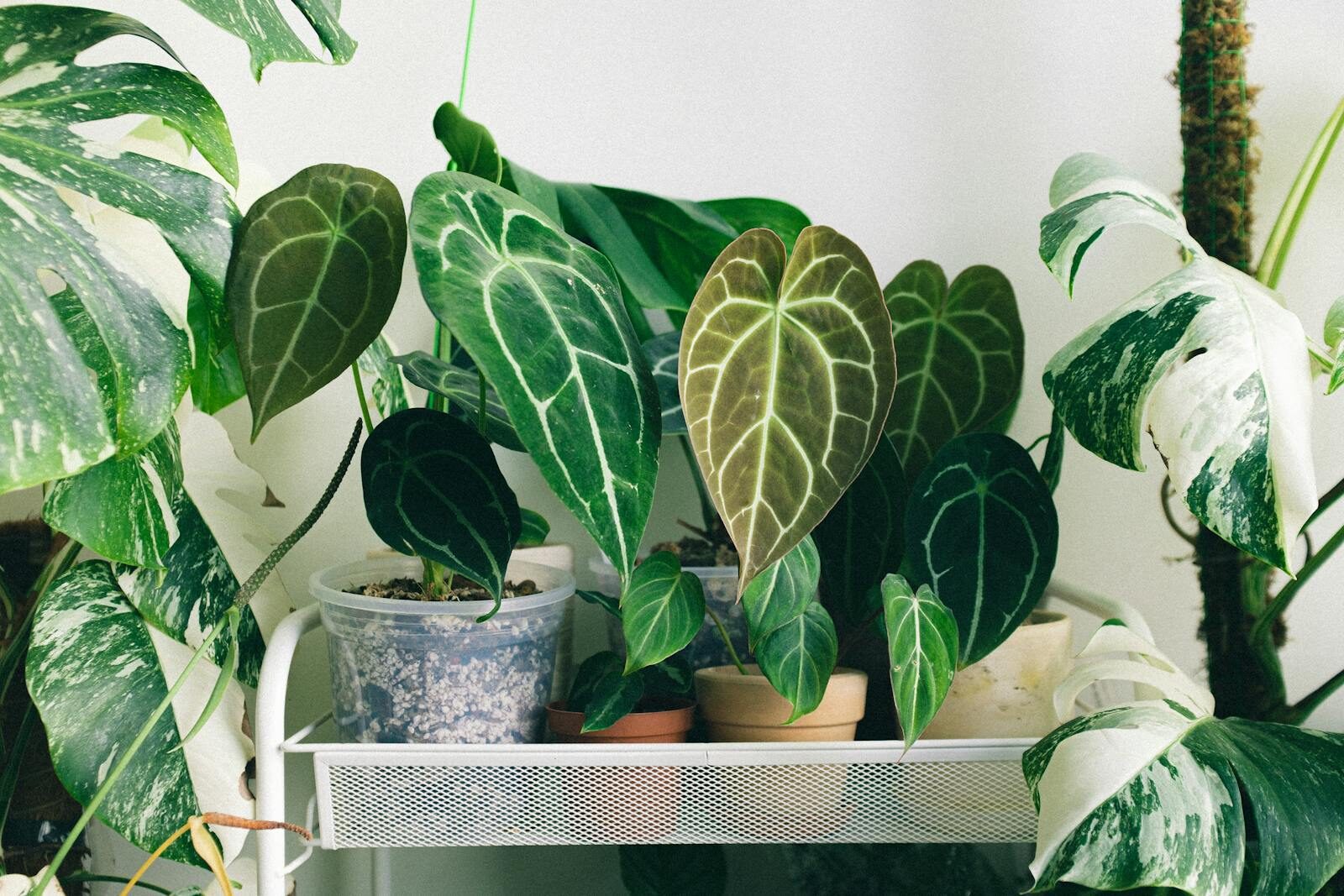
If you’ve ever scrolled through a plant community on Reddit or Instagram and stopped dead in your tracks at a photo of a plant with neon-orange stems and long, sweeping green leaves — there’s a good chance you were looking at a Philodendron Billietiae. I’ve been growing aroids for over eight years, and this one still manages to turn heads every single time someone walks into my plant room.
The good news? Despite its exotic looks, the Philodendron Billietiae is not nearly as demanding as its rare status might suggest. With the right setup, this plant will reward you with some of the most dramatic foliage you’ve ever seen growing inside your home.
This guide covers everything you need — from understanding the plant’s origins to troubleshooting common problems — so you can grow yours with confidence, whether you’re in a humid Florida home or a dry Colorado apartment.
What Is Philodendron Billietiae? Origins and Background
Philodendron Billietiae is a hemiepiphyte — meaning it starts life in the soil but eventually climbs trees as it matures — native to the tropical rainforests of Brazil, French Guiana, and Guyana. It belongs to the Araceae family, making it a close relative of other popular houseplants like Monsteras, Anthuriums, and Pothos.
What truly sets this plant apart is its combination of features that you rarely see together in a single species: deeply elongated, arrow-shaped leaves that can reach up to 3 feet in length indoors, and unmistakably bright orange-yellow petioles (the stems that connect leaf to vine). That color contrast — deep glossy green against vivid orange — is what makes collectors lose their minds over it.
The plant was named in honor of Frieda Billiet, a Belgian botanist who contributed significantly to the study of tropical aroids. It was formally described in 1995, and while it isn’t brand new to science, it has only relatively recently made its way into mainstream collector circles in the United States.
Is Philodendron Billietiae Rare? What to Expect in the USA (2026 Update)
A few years ago, finding a Philodendron Billietiae meant either knowing the right people or spending serious money. That’s changed. As of 2026, this plant has become more accessible in the American market thanks to tissue culture propagation and a growing number of specialty aroid nurseries.
You can now find starter plants on Etsy, through specialty sellers like Canopy Plant Co., Orange Lake Nursery, Logee’s Plants (a century-old Connecticut grower), and even through Home Depot online. Prices for small starter plants typically range from $20–$70 depending on the size and seller, while larger, more established specimens can still command $100 or more.
That said, the variegated form — with creamy yellow and white splashes across the leaves — remains genuinely rare and expensive, often selling for several hundred dollars per cutting.
If you’re shopping online, always buy from sellers with verified reviews, live arrival guarantees, and clear photos of the actual plant being sold. Mislabeling is common in the rare plant market, and you don’t want to pay a premium for a misidentified hybrid.
Philodendron Billietiae Care at a Glance
| Care Factor | Requirement |
|---|---|
| Light | Bright indirect light |
| Water | When top 1–2 inches of soil are dry |
| Humidity | 60–80% ideal |
| Temperature | 65–85°F (18–29°C) |
| Soil | Chunky, well-draining aroid mix |
| Fertilizer | Monthly during spring/summer |
| USDA Hardiness Zone | Outdoors: Zones 10–11 only |
| Toxicity | Toxic to pets and humans if ingested |
Light Requirements: Where to Place Your Plant
Philodendron Billietiae evolved under the canopy of dense rainforest trees, which means it’s accustomed to bright but filtered light. Indoors, you’re aiming to replicate that dappled sunlight effect.
The ideal spot is within 3–5 feet of an east- or north-facing window, or set back from a south- or west-facing window with a sheer curtain filtering the direct rays. In most U.S. homes, a bright living room corner or a well-lit bedroom works beautifully.
Signs of too much light: Pale, washed-out leaves, brown crispy patches, or bleached areas on the foliage.
Signs of too little light: Slow growth, small new leaves, long leggy stems reaching toward the nearest light source, and loss of that vibrant orange color in the petioles.
Grow lights are a fantastic option if you’re in a darker apartment or somewhere like the Pacific Northwest where natural light is limited in winter. Full-spectrum LED grow lights placed 12–18 inches above the plant and kept on for 10–12 hours per day work extremely well.
Watering: Getting the Balance Right
Overwatering is the single most common way people kill a Philodendron Billietiae — and honestly, most houseplants in general. This plant does not want to sit in soggy soil. But it also doesn’t want to be left bone dry for extended periods.
The sweet spot: water when the top 1–2 inches of soil feel dry to the touch. In most indoor environments during spring and summer, that works out to roughly once a week. In winter, you’ll likely stretch that to every 10–14 days as the plant’s growth slows.
A few practical tips that have made a real difference in my own growing:
- Always use a pot with drainage holes. No exceptions. Cachepots (decorative outer pots) are fine as long as you empty them after watering so the roots aren’t sitting in collected water.
- Bottom watering works great for this plant. Set the pot in a tray of water for 20–30 minutes and let the soil absorb moisture from the bottom up. This encourages deeper root growth and helps prevent fungus gnats.
- Water quality matters. If your tap water is heavily chlorinated or has high fluoride levels (common in many U.S. cities), let it sit out overnight before using it, or switch to filtered water. Fluoride sensitivity can cause brown leaf tips in Philodendrons.
Humidity and Temperature: Tropical Conditions in Your Home
Coming from South American rainforests, Philodendron Billietiae is happiest in high humidity — ideally between 60% and 80%. Most American homes run at 30–50% humidity, especially in air-conditioned spaces during summer or heated homes in winter, so you may need to supplement.
Effective ways to boost humidity:
- A small humidifier placed near your plant is the most reliable solution. A cool-mist humidifier running a few hours each day can meaningfully raise the ambient humidity around your plants.
- Grouping plants together creates a natural humidity microclimate as they transpire water through their leaves.
- A pebble tray with water placed under the pot adds some ambient moisture, though this alone won’t dramatically shift humidity levels.
Avoid misting the leaves directly. While it seems intuitive, regular misting can leave moisture sitting on leaf surfaces and invite fungal issues. A humidifier is always the better choice.
For temperature, keep this plant between 65°F and 85°F (18–29°C). It can handle brief dips into the high 50s°F, but anything below 55°F for extended periods will cause damage. Keep it away from cold drafts, air conditioning vents, and heating registers — all of which cause sudden temperature swings that stress the plant.
If you’re in USDA Hardiness Zones 10 or 11 (South Florida, Southern California, Hawaii), you can grow Philodendron Billietiae outdoors year-round in a shaded garden bed. For everyone else, it’s strictly an indoor plant.
Soil Mix: Why Your Standard Potting Mix Won’t Cut It
This is one area where many new plant parents make a mistake. A standard all-purpose potting mix retains too much moisture for Philodendron Billietiae and dramatically increases the risk of root rot.
What you want is a chunky, well-aerated aroid mix that drains freely while still retaining enough moisture to keep roots from drying out completely. Here’s a reliable DIY recipe:
- 40% quality potting soil (like Fox Farm Ocean Forest)
- 30% perlite (for drainage and aeration)
- 20% orchid bark (adds chunky texture and air pockets)
- 10% horticultural charcoal (helps with drainage and minor pest deterrence)
Pre-mixed aroid soil blends are also widely available online if you’d rather not mix your own — brands like The Soil King and Noot offer solid options.
Make sure your pot has drainage holes. Terra cotta pots are an excellent choice for this plant because they’re porous and help wick excess moisture away from the roots. If you prefer the look of plastic or ceramic, just be extra cautious about not overwatering.
Fertilizing: Feeding for Impressive Growth
During the active growing season — typically March through September in the United States — Philodendron Billietiae benefits from regular fertilizing. A balanced liquid fertilizer (like a 20-20-20 NPK formula) diluted to half strength and applied once a month is a safe, effective approach.
Some growers prefer a fertilizer higher in nitrogen during the growing phase to encourage big, lush leaves, then switch to a balanced formula or reduce feeding as fall approaches.
What to avoid: Never fertilize a stressed, dry, or recently repotted plant. Always water the plant first, then apply diluted fertilizer to moist soil to prevent root burn. Skip fertilizing entirely in fall and winter when the plant is resting.
Slow-release granular fertilizers worked into the top layer of soil at repotting time are another low-effort option that provides gentle, consistent nutrition.
Supporting Your Climbing Philodendron Billietiae
In its natural habitat, Philodendron Billietiae uses aerial roots to climb up tree trunks and forest canopy. Giving it something to climb indoors isn’t just decorative — it actually triggers the plant to produce noticeably larger leaves.
A moss pole is the gold standard. As the aerial roots attach to the moist moss, the plant receives additional moisture and stimulation that mimics its natural environment. You can make your own with PVC pipe and sphagnum moss, or buy pre-made versions from many plant shops.
Coir poles and bamboo stakes also work, though they don’t offer the moisture-holding benefits of moss. Rotate your plant every couple of weeks so all sides get equal light and the growth stays symmetrical.
Propagation: How to Make More Plants
Propagating Philodendron Billietiae is satisfying and not particularly difficult. The most reliable method is stem cuttings.
Step-by-step stem cutting propagation:
- Use clean, sharp scissors or pruning shears. Sterilize them with rubbing alcohol first.
- Identify a healthy stem section with at least one node (the bump or joint where a leaf meets the stem) and ideally one or two leaves.
- Cut just below the node at a 45-degree angle.
- Let the cut end callous over for a few hours.
- Place the cutting in a small container of clean water, making sure the node is submerged but the leaves are above the waterline.
- Set it in bright indirect light and change the water every few days.
- Once roots are 1–2 inches long (usually 3–6 weeks), pot the cutting in your aroid mix and care for it as you would a mature plant.
Alternatively, you can propagate directly into moist sphagnum moss or a perlite-heavy mix, which some growers find produces stronger roots right out of the gate.
Common Problems and How to Fix Them
Yellow leaves
Usually a sign of overwatering or poor drainage. Check the soil — if it’s been wet for more than a week, you’re likely watering too frequently. Let the soil dry out more before the next watering and ensure the pot drains properly.
Brown leaf tips
Often caused by low humidity, fluoride in tap water, or overfertilizing. Try switching to filtered water, boosting humidity with a humidifier, and flushing the soil thoroughly every few months to clear salt buildup from fertilizer.
Leggy growth and small leaves
Classic signs of insufficient light. Move the plant closer to a window or introduce a grow light.
Root rot
This is the most serious issue and usually results from chronic overwatering. If you notice the plant wilting despite moist soil, mushy stems at the base, or a foul smell from the pot, act quickly. Remove the plant, trim off black or mushy roots with sterilized scissors, dust the cuts with cinnamon or sulfur powder (natural antifungals), and repot in fresh, dry soil.
Pests
Spider mites, mealybugs, and fungus gnats are the most common visitors. Wipe leaves down with neem oil solution or insecticidal soap for mites and mealybugs. For fungus gnats, allow the soil to dry out more between waterings and use yellow sticky traps to catch adults. Our Alocasia Regal Shield guide covers the same pest issues for another large-leafed tropical.
Is Philodendron Billietiae Toxic?
Yes — like all Philodendrons, Billietiae contains calcium oxalate crystals, which are toxic to pets and humans if ingested. Keep it out of reach of dogs, cats, and small children. Symptoms of ingestion include mouth irritation, drooling, vomiting, and difficulty swallowing. If you suspect your pet has chewed on the plant, contact your vet or the ASPCA Animal Poison Control Center at (888) 426-4435.
Repotting: When and How
Philodendron Billietiae generally needs repotting every 1–2 years, or when you notice roots circling the bottom of the pot or poking through drainage holes. Choose a new pot that’s only 1–2 inches larger in diameter than the current one — going too big invites excess moisture retention.
The best time to repot is in spring, just as the growing season kicks off, giving the plant the entire warm season to establish its roots in the new container.
Quick-Reference Growing Tips
- Rotate the plant every two weeks for even, balanced growth
- Clean leaves monthly with a damp cloth to boost light absorption and keep pests at bay
- Don’t fertilize in fall or winter
- Provide a moss pole to encourage larger leaf development
- Buy from reputable sellers with live arrival guarantees — Logee’s Plants, Orange Lake Nursery, and Etsy shops with strong reviews are solid starting points in the USA
Where to Learn More
If you’re just getting into the world of aroids and want to understand more about the broader Philodendron family before diving into rare varieties, the University of Florida IFAS Extension has a well-researched overview of Philodendron species and their indoor growing requirements — a great resource if you like science-backed growing guidance.
If you’re building out a broader aroid collection, our Hoya Krimson Queen care guide covers another rewarding tropical with similar humidity and light needs.
Final Thoughts
Philodendron Billietiae isn’t just a plant — it’s a statement. Those vivid orange petioles and sweeping, architectural leaves bring a sense of the tropical wild indoors in a way that few other houseplants can match. And the best part is that once you understand its basic needs — bright filtered light, well-draining soil, appropriate humidity, and restrained watering — it’s a genuinely forgiving and fast-growing plant that will surprise you with its resilience.
Whether you’re adding it to an established aroid collection or it’s your first foray into rare tropical plants, this one is well worth the investment. Give it the right environment, a sturdy moss pole to climb, and a little patience — and the Philodendron Billietiae will become one of the most spectacular plants in your home.
[…] dipped in rubbing alcohol. Follow up with an insecticidal soap if the infestation persists. Our Philodendron Billietiae guide covers the same treatment for another popular […]
[…] might also enjoy our Philodendron Billietiae care guide to find your next aroid […]
[…] soap or diluted neem oil usually clears things up within a week or two of consistent treatment. Our Philodendron Billietiae guide covers the same treatment approach for another popular […]