

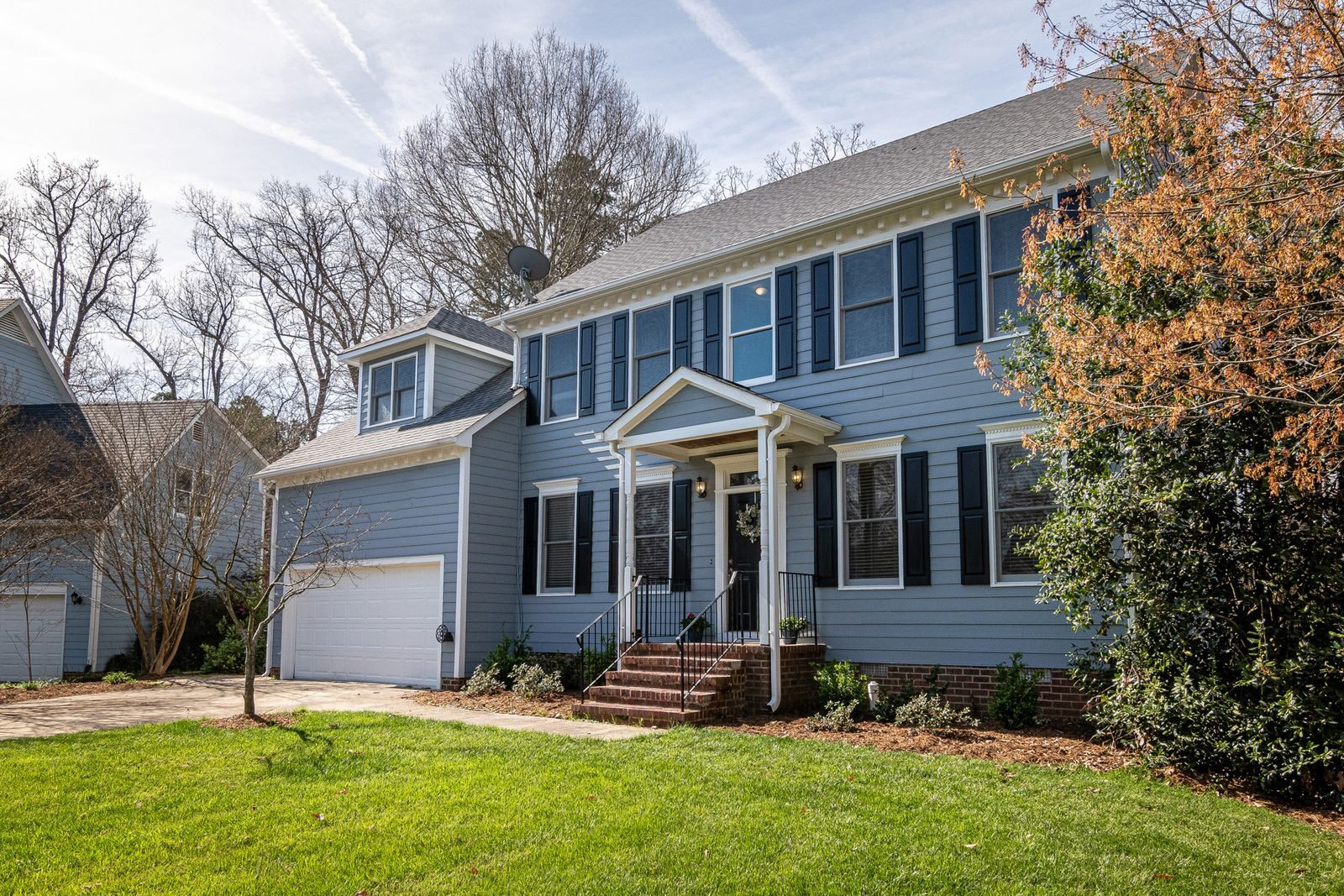
Have you noticed Chappaqua listings popping up in your feed lately? You are not alone. This small Westchester County hamlet sits inside the town of New Castle. It has quietly become one of the most searched suburbs within commuting distance of New York City. Inventory stays tight here. Demand keeps climbing too. So buyers who understand the local market first tend to move faster. They also negotiate smarter. This guide walks through what is happening in Chappaqua real estate right now, in the middle of 2026. It also covers what that actually means if you plan to buy or sell here.
Why Chappaqua Keeps Attracting Homebuyers in 2026
Chappaqua sits about 35 miles north of Manhattan. That distance sounds significant on paper. But the daily commute tells a different story. Families keep choosing this hamlet for one main reason: it delivers a rare combination. You get excellent public schools, a walkable village center, and a direct rail line into Grand Central Terminal. The pandemic reshaped how people think about space and schools. Since then, demand for towns like Chappaqua has only grown stronger. That trend has not slowed down in the second half of 2026.
Beyond the commute, buyers love the genuine community feel here. Chappaqua does not feel like a typical bedroom suburb. The train station area, often called “downtown Chappaqua,” proves that point well. It features independent shops, coffee spots, and restaurants that locals actually use every week. The surrounding neighborhoods add even more variety. You will find classic 1920s colonials next to newly built estates on multi-acre lots. So there is a real range of housing stock, even in such a small town.
Local reputation matters too. Chappaqua has long been known as a place where families stay for decades. New families often move here because friends already living there recommended it. That kind of loyalty keeps resale values stable. It also explains why so many buyers see Chappaqua as both a home and a long-term investment.
Chappaqua Real Estate Market Trends for Mid-2026
Numbers tell the story better than general impressions. So let’s look at where things actually stand.
As of June 2026, the median home price in Chappaqua sits around $1,437,500. The average sale price runs closer to $1,622,879. This data comes from recent listings compiled by Homes.com. Prices across the broader 10514 zip code vary widely. Single-family homes list anywhere from roughly $809,000 up to $4.5 million. So there truly is a home for a variety of budgets, even in a market known for luxury properties.
Zillow’s most recent home value index tells a similar story. It placed the average Chappaqua home value at roughly $1.5 million. That figure represents a year-over-year increase of about 10 percent. This kind of steady appreciation matters. It signals stability rather than a sudden spike. Buyers are not chasing a bubble here. They are stepping into a hamlet that has appreciated consistently for years. Supply simply cannot keep pace with demand.
Homes move at a measured pace this year too. Listings in Chappaqua spend around 39 days on the market on average. That is longer than the fierce bidding wars of a few years ago. Still, it reflects a market that clearly favors sellers. Buyers who wait too long often lose out. A well-priced home in a desirable neighborhood attracts serious competition fast.
Inventory stays limited as well. A few hundred active listings exist across Chappaqua and the surrounding area. But the number of true single-family homes for sale at any given moment often surprises people. Sometimes fewer than fifteen or twenty homes sit on the market. That scarcity explains why prices have held firm. National housing trends shifted throughout 2025 and into 2026. Chappaqua largely avoided that turbulence.
Types of Homes You Will Find for Sale in Chappaqua
Chappaqua is not a cookie-cutter suburb. First-time visitors often notice this right away. The housing stock here varies more than you might expect. Buyers can choose from several distinct categories of homes.
Classic colonials from the early twentieth century remain popular. Established neighborhoods showcase these homes well. Mature trees and generous lot sizes give them a timeless feel. Many older homes have received thoughtful renovations too. Original hardwood floors and crown molding now pair with updated kitchens and modern systems.
New construction has picked up meaningfully this year. Several builders are completing custom homes within the award-winning Chappaqua school district. Some projects will wrap up construction by fall 2026. These newer builds tend to offer larger floor plans. They also include energy-efficient systems and open-concept layouts. Many buyers prioritize exactly these features today.
Land-focused buyers have options too. Multi-acre estate properties dot Chappaqua’s quieter corners. Some feature guest cottages, pools, or gated entrances. On the more accessible end, ranch-style and raised-ranch homes offer a lower price point. They still provide access to the same excellent schools. So budget-conscious buyers can enjoy Chappaqua’s benefits without an estate-sized price tag.
Neighborhoods Worth Knowing Before You Tour Homes
Chappaqua is compact. So neighborhood choice can significantly affect both price and daily lifestyle. The Seven Bridges area, for example, is known for tree-lined streets. It also has a strong sense of community. This combination consistently attracts buyers who plan to settle in for the long haul. Properties near the downtown train station appeal to commuters too. Many want to walk to the platform rather than drive. Homes in this pocket often carry a premium simply because of that convenience.
Some properties carry a Chappaqua postal address. But they technically sit within the Pleasantville school district instead. So it pays to double-check school zoning before you fall in love with a listing. This detail can meaningfully affect both price and your child’s future classroom. A knowledgeable local agent will flag this immediately. Still, it is smart to verify it yourself as well.
Walkability and community events matter to many buyers. Homes closer to the village center tend to hold value especially well. Buyers consistently pay a premium for the ability to walk to dinner, the farmers market, or the train.
Schools and Family Life in Chappaqua
You cannot talk about Chappaqua real estate without talking about schools. For many buyers, the school district is the entire reason they search here. The Chappaqua Central School District anchors this reputation. Horace Greeley High School leads the way. This district consistently ranks among the top public school systems in New York State. Elementary and middle schools throughout the district maintain strong academic ratings. The community also places a noticeable emphasis on extracurricular programs.
School quality drives so much demand here. So homes zoned for the most sought-after elementary schools often sell faster. They also command higher prices per square foot than comparable homes just a short drive away. Relocating with children? Tour homes with a clear map of school boundaries in hand. A beautiful house on the wrong side of an invisible line can mean a completely different educational experience.
Want a broader look at how school ratings influence pricing across the region? Our complete guide to buying a home in Westchester County breaks down district-by-district comparisons. It can help you widen your search if Chappaqua alone feels too competitive.
The Commute: Why Location Still Sells Homes Here
Chappaqua’s Metro-North station sits on the Harlem Line. Trains typically reach Grand Central Terminal in under an hour. Express service often runs closer to 45 minutes during peak commuting hours. This direct access to Manhattan remains one of the strongest draws for buyers. Many work in the city but want more space at home. They also want better schools and a quieter pace of life.
The commute is central to the town’s identity. So homes within walking distance of the station typically command higher prices. Compare that to similar properties requiring a drive. Buyers who feel flexible about walking versus driving can often find better value. Just a mile or two farther out, prices tend to soften. So it pays to weigh how much that convenience is really worth to your daily routine.
Actionable Tips for Buying in Chappaqua Right Now
This market has become competitive and price-sensitive. So a few practical strategies can make a real difference for buyers entering the process in 2026.
First, get fully underwritten for your mortgage early. Do this before you start touring homes seriously. Do not rely on a basic pre-qualification letter alone. Sellers in this price range routinely receive multiple offers. A fully underwritten pre-approval signals something important. It shows your financing is solid. That can be the deciding factor when a seller compares similar bids.
Second, work with an agent who specializes in Chappaqua and the surrounding New Castle area. Hyper-local knowledge matters a lot here. Agents need to understand school zoning, flood zones, and upcoming listings. This knowledge often makes the difference between missing out and getting an accepted offer. So much of this market moves through word-of-mouth. Off-market conversations happen often too. An agent embedded in the community frequently hears about homes before they officially hit public listing sites.
Third, factor in property taxes early in your budgeting process. Westchester County has some of the higher property tax rates in the country. Chappaqua is no exception. A home that looks affordable on price alone can carry meaningfully higher monthly costs. This happens once you include taxes. Ask for the actual tax bill on any home you seriously consider. Do not rely solely on estimated figures from a listing site.
Fourth, take flooding and storm risk seriously during your inspection process. Parts of Chappaqua carry elevated flood risk. The Saw Mill River and other local waterways contribute to this. Request flood zone documentation. Ask sellers directly about past water intrusion too. Do this even on homes that look immaculate on a sunny afternoon during a showing.
Finally, prepare to move quickly once you find the right home. But do not skip your due diligence to do so. Homes here often go under contract within a few weeks of listing. Buyers who line up their inspector, attorney, and lender ahead of time succeed more often. They close on their dream home. Slower-moving competitors watch it slip away instead.
Is Now a Good Time to Buy in Chappaqua?
That question depends heavily on your personal timeline and financial situation. But the broader trend is worth noting. Home values in Chappaqua have appreciated steadily. They have not spiked and crashed. This suggests genuine long-term demand drives the market here, rather than short-term speculation. The National Association of Realtors tracks this trend closely. Suburban markets with strong school districts and reliable commuter rail access have continued to outperform many other suburban segments nationally. This held true throughout 2025 and into 2026. Chappaqua fits that profile closely.
Do you want a long-term family home rather than a quick flip? Current market conditions favor patient, financially prepared buyers. You may need to compromise slightly on cosmetic details. In exchange, you get the right location and school zone. Sellers continue to benefit from limited inventory. Buyer demand stays consistently strong too. This explains why so many homeowners in this area choose to stay put for decades. Few test the market once they settle in.
Frequently Asked Questions About Chappaqua NY Real Estate
What is the average home price in Chappaqua, NY in 2026? As of mid-2026, the median home price in Chappaqua sits around $1.4 million. The average sale price runs closer to $1.6 million. Prices vary depending on neighborhood, lot size, and school zoning.
Is Chappaqua a good place to raise a family? Yes, and this is a primary reason buyers move here. The Chappaqua Central School District earns strong academic ratings. Horace Greeley High School leads that reputation. The town also offers parks, youth sports programs, and a walkable village center.
How long is the commute from Chappaqua to Manhattan? Metro-North trains on the Harlem Line typically reach Grand Central Terminal in under an hour. Express trains often arrive in around 45 minutes during peak commuting times.
Are property taxes high in Chappaqua? Yes. Westchester County generally has some of the higher property tax rates in the country. Chappaqua homeowners should budget carefully for this cost. It can add significantly to monthly housing expenses beyond the mortgage itself.
How competitive is the Chappaqua housing market right now? It remains a seller’s market overall. Homes spend roughly 39 days on the market on average before selling. Desirable properties in top school zones often move faster. They also attract multiple offers.
What types of homes are available in Chappaqua? Buyers can choose from classic colonials, ranch and raised-ranch homes, and multi-acre estate properties. A growing number of new-construction homes round out the list. Several of these are completing construction later in 2026.
Does every Chappaqua address fall within the Chappaqua school district? Not always. Some homes with a Chappaqua mailing address actually fall within neighboring districts, like Pleasantville. So confirm school zoning directly before you make an offer.
Is Chappaqua at risk of flooding? Some properties near the Saw Mill River and other local waterways do carry elevated flood risk. Buyers should request flood zone documentation. Ask sellers about any history of water damage during the inspection process too.
Chappaqua offers top-tier schools, a genuine walkable village, and a fast commuter rail line into Manhattan. This combination continues to make it one of Westchester County’s most desirable real estate markets. That will likely hold true through the rest of 2026. Are you relocating for schools? Downsizing? Searching for a long-term family home? Understanding these local trends first will help you move with confidence. You will avoid guesswork once you start touring properties.