

Dill might be one of the easiest herbs you can grow. It thrives in average soil, needs little fuss, and rewards you with feathery, fragrant leaves in just a few weeks. Whether you want fresh dill for pickles, salads, or that classic dill and salmon pairing, growing your own means you always have some on hand.
This guide walks through everything you need to know. We will cover planting timing, ideal conditions, ongoing care, and how to harvest dill at just the right moment. We will also touch on common problems and a few tips specific to growing dill across different U.S. climates.
A Quick Introduction to Dill
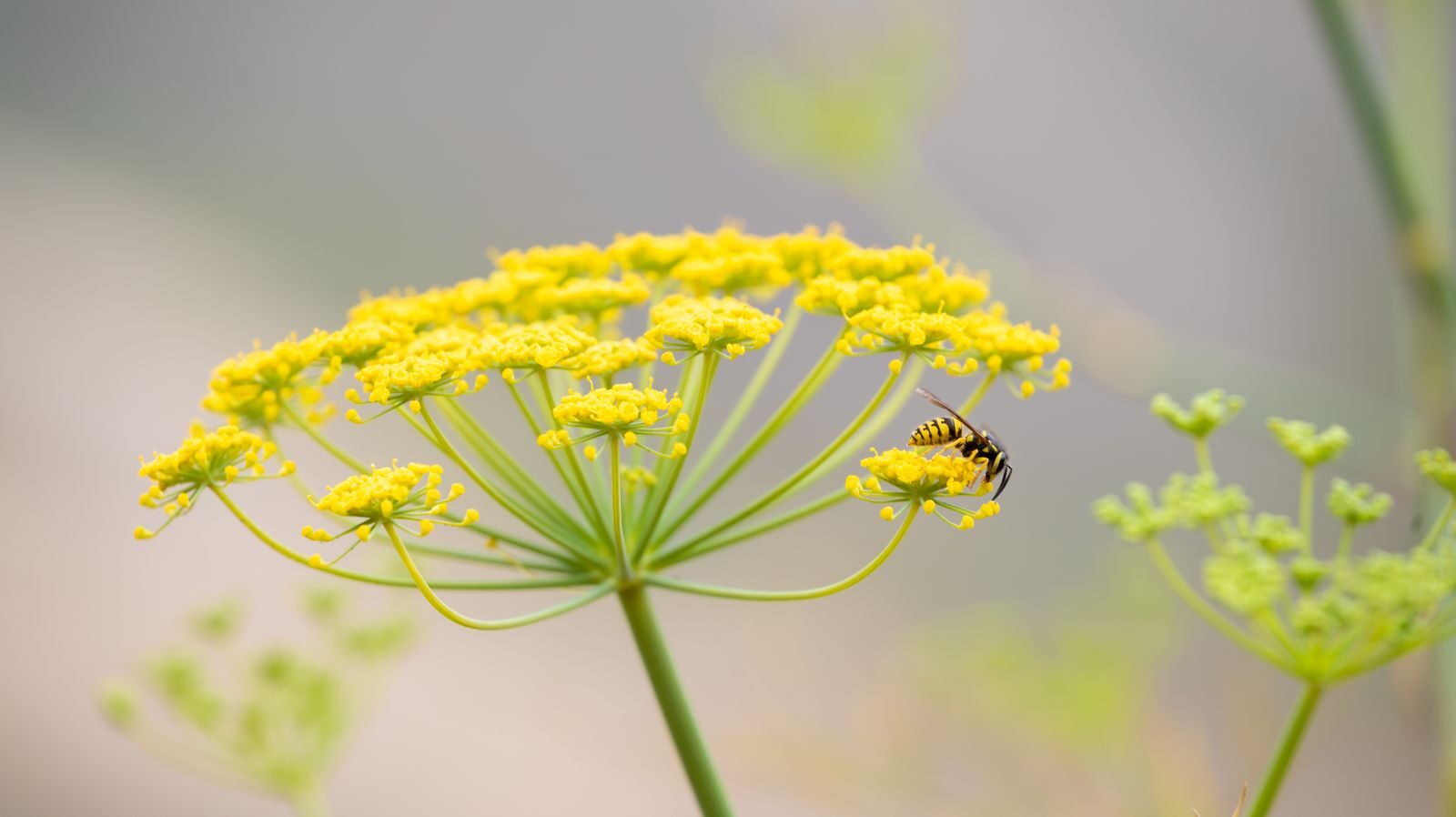
Dill, known botanically as Anethum graveolens, is an annual herb in the same plant family as carrots and parsley. It grows upright, often reaching two to four feet tall, with wispy, blue-green foliage and flat clusters of small yellow flowers. Both the leaves and the seeds get used in cooking, which makes dill one of the more versatile herbs in any garden.
Because dill is an annual, it completes its entire life cycle in a single growing season. It sprouts, grows, flowers, and sets seed, then dies back once cold weather arrives. Many gardeners let a few plants go to seed each year, since dill readily self-sows and often returns on its own the following spring.
When To Plant Dill
Timing matters quite a bit with dill, since it prefers cool weather early on but bolts, or flowers prematurely, once summer heat sets in. Most gardeners plant dill directly in the ground two to three weeks before their area’s last expected frost date.
If you live somewhere with mild winters, you can also plant a fall crop once summer heat fades. This second planting often produces better leaf growth, since dill tends to bolt less in the cooler days of early autumn.
Because dill grows quickly, succession planting works well too. Sow a new batch of seeds every two to three weeks throughout the growing season. This approach keeps a steady supply of fresh, tender leaves coming, rather than one large harvest followed by weeks of nothing.
Your local climate plays a big role in your exact planting window. The USDA Plant Hardiness Zone Map, last updated using 1991 through 2020 climate data, remains the standard reference for U.S. gardeners trying to time their plantings correctly. You can look up your exact zone and expected frost dates on the USDA’s official hardiness zone map.
How To Plant Dill Step by Step
Dill grows best from direct-sown seed, since it develops a long taproot that does not transplant well. Here is how to get started.
Choose a sunny spot. Dill needs at least six hours of direct sunlight daily. A spot with partial afternoon shade can help in especially hot climates, though full sun generally produces the strongest plants.
Prepare loose, well-draining soil. Dill tolerates average soil conditions, but it performs best in loose, well-draining soil with a slightly acidic to neutral pH. Work in a little compost before planting to give seedlings a nutrient boost.
Sow seeds shallowly. Scatter seeds directly over the soil and cover them with about a quarter inch of soil. Dill seeds need some light exposure to germinate well, so avoid burying them too deep.
Space seedlings properly. Once seedlings emerge, thin them to about twelve to eighteen inches apart. This spacing gives each plant enough room to develop its full, feathery growth without competing too heavily for nutrients.
Water consistently. Keep the soil evenly moist until germination, which usually takes ten to fourteen days. After that, dill tolerates brief dry spells fairly well, though consistent watering produces better flavor and growth overall.
Growing Dill in Containers
Dill grows well in containers too, which makes it a solid option for patios, balconies, and small kitchen gardens. Choose a pot at least twelve inches deep, since dill’s taproot needs room to stretch downward.
Use a well-draining potting mix rather than garden soil, since container soil compacts more easily and drains less efficiently. Place your container somewhere it gets plenty of direct sun, and rotate it occasionally if light comes from only one direction.
Container-grown dill dries out faster than dill planted in the ground, so check soil moisture every day or two, especially during hot summer stretches. A saucer underneath helps catch excess water, though you should always empty it after heavy rain to avoid root rot.
Caring for Dill Throughout the Season
Once established, dill needs surprisingly little maintenance. Still, a few care habits make a noticeable difference in both yield and flavor.
Watering: Dill prefers consistent moisture, especially during its first few weeks. Once mature, it handles short dry periods reasonably well, though prolonged drought can trigger early bolting.
Fertilizing: Dill does not need heavy feeding. A light application of balanced fertilizer, or a top dressing of compost midseason, usually provides all the nutrients it needs. Overfeeding can actually reduce flavor intensity in the leaves.
Staking: Because dill grows tall and top-heavy, strong winds can knock plants over. A simple stake or a few nearby companion plants can help provide support, especially in exposed garden beds.
Companion planting: Dill pairs well with cucumbers, onions, lettuce, and brassicas like cabbage and broccoli. It also attracts beneficial insects, including ladybugs and parasitic wasps, which help control aphids and other garden pests naturally. Avoid planting dill too close to carrots, though, since the two share pest vulnerabilities and can cross-pollinate if allowed to flower together.
Common Problems When Growing Dill
Even a low-maintenance herb like dill runs into occasional issues. Knowing what to watch for helps you catch problems early.
Bolting: Hot weather is the number one cause of premature flowering in dill. Once a plant bolts, leaf production slows and flavor becomes noticeably more bitter. Succession planting and choosing slow-bolt varieties can help reduce this issue.
Aphids: These small, sap-sucking insects sometimes cluster on new growth. A strong spray of water or an application of insecticidal soap usually clears up minor infestations quickly.
Swallowtail caterpillars: Black swallowtail butterflies love to lay eggs on dill, and their caterpillars can strip leaves quickly. Many gardeners actually welcome this trade-off, since planting a few extra dill plants specifically for caterpillars supports local pollinator populations without sacrificing your entire harvest.
Powdery mildew: Humid conditions and poor air circulation can lead to a white, powdery coating on leaves. Space plants properly and water at the base rather than overhead to reduce this risk.
Harvesting Dill Leaves and Seeds
Dill rewards patience with a fast, generous harvest. Here is how to harvest both the leaves and the seeds at the right time.
Harvesting leaves: Once plants reach about eight inches tall, you can begin snipping leaves as needed. Harvest in the morning, after dew has dried but before the heat of the day, since this is when essential oil content, and therefore flavor, tends to peak. Regular harvesting actually encourages bushier growth, so do not be shy about cutting fresh sprigs often.
Harvesting seeds: If you want dill seed for pickling or next year’s planting, let a few flower heads mature fully on the plant. Once the seed heads turn brown and dry, cut the entire flower cluster and place it upside down in a paper bag. Shake gently after a week or two, and the seeds will fall loose and ready for storage.
Storing and Preserving Fresh Dill
Fresh dill loses flavor quickly once cut, so proper storage matters. Store fresh sprigs in the refrigerator, wrapped loosely in a damp paper towel inside a plastic bag. This method keeps dill fresh for about a week.
For longer storage, freezing works remarkably well. Chop fresh dill and freeze it in ice cube trays with a little water or olive oil. This method preserves both flavor and color far better than drying does. If you prefer dried dill, hang small bunches upside down in a cool, dark, well-ventilated space until fully dry, then store the crumbled leaves in an airtight container.
Growing Dill Across Different U.S. Regions
Dill adapts well to most of the continental United States, though timing shifts depending on your regional climate. Gardeners in the Northeast and Upper Midwest typically plant dill in mid to late spring, once the soil has warmed and frost risk has passed. Because summers stay relatively mild in these regions, dill often thrives right through midsummer without bolting too quickly.
In the South, including states like Texas, Georgia, and Florida, early spring planting works best, since intense summer heat causes dill to bolt fast. Many Southern gardeners plant a second round in early fall, once temperatures start easing back down.
Meanwhile, gardeners in the Pacific Northwest often enjoy a longer, cooler growing window overall. This region’s mild summers reduce bolting pressure significantly, giving dill plants more time to produce leaves before flowering. Regardless of where you live, checking your local frost dates alongside your USDA hardiness zone gives you the clearest picture of your ideal planting schedule.
If you are building out a full herb garden this season, check out our complete guide to companion planting for vegetable gardens for more ideas on which herbs and vegetables grow best together.
Popular Dill Varieties Worth Growing
Not all dill is exactly the same, and choosing the right variety can make a real difference depending on your goals. A few standouts show up again and again in home gardens across the country.
Bouquet dill remains one of the most popular varieties overall. It grows tall, produces abundant seed heads, and works well for gardeners who want both fresh leaves and dried seed for pickling.
Fernleaf dill stays much more compact, often reaching only eighteen inches in height. This makes it an excellent choice for containers, small raised beds, or windowsill herb gardens where space runs limited.
Dukat dill offers a slightly sweeter flavor than standard varieties, along with slower bolting in warm weather. Gardeners in hotter climates often prefer Dukat specifically because it holds its leaf quality longer into summer.
Mammoth dill, sometimes labeled long island mammoth, grows especially tall and produces large seed heads. This variety suits gardeners who want to harvest plenty of seed for pickling large batches of cucumbers each summer.
Trying a couple of different varieties in the same season can help you figure out which one fits your climate and cooking habits best. Since dill seed stays viable for a few years when stored properly, it is easy to experiment without much added cost.
Health Benefits and Culinary Uses of Dill
Beyond its role in the kitchen, dill has a long history of use in traditional remedies and everyday cooking across many cultures. Fresh dill contains a range of antioxidants, along with small amounts of vitamin C and manganese. While it is not a significant source of nutrition on its own, adding fresh herbs like dill to your diet regularly supports a more varied, flavorful approach to eating vegetables and proteins alike.
In the kitchen, dill shows up in far more dishes than most people initially expect. Beyond the classic pairing with pickles and salmon, dill works beautifully in yogurt-based sauces, potato salads, egg dishes, and creamy soups. Scandinavian and Eastern European cuisines lean heavily on dill, using it in everything from borscht to gravlax. Meanwhile, dill seed brings a warmer, more concentrated flavor that works well in spice rubs, bread recipes, and homemade pickling brines.
Because fresh and dried dill taste noticeably different, most recipes call for one or the other specifically. As a general rule, use roughly three times as much fresh dill as dried when substituting between the two, since drying concentrates the flavor considerably.
Final Thoughts
Dill earns its reputation as a beginner-friendly herb for good reason. It asks for very little, tolerates a wide range of conditions, and rewards you quickly with fragrant, flavorful growth. Get the timing right, keep the soil consistently moist early on, and harvest often. Follow those simple steps, and you will have a steady supply of fresh dill all season long.
Frequently Asked Questions
How long does it take to grow dill from seed? Dill typically germinates within ten to fourteen days and reaches harvestable size within six to eight weeks. Growth speed depends on temperature, sunlight, and soil quality.
Does dill come back every year? Dill is technically an annual, so individual plants complete their life cycle in one season. That said, dill self-seeds readily, and many gardeners find volunteer seedlings popping up on their own the following spring.
Why is my dill plant flowering so quickly? Early flowering, known as bolting, usually happens because of heat stress or inconsistent watering. Planting earlier in spring, choosing slow-bolt varieties, and keeping soil evenly moist can all help delay this process.
Can I grow dill indoors? Yes, though it can be a bit challenging. Dill needs several hours of direct sunlight daily, so a bright, south-facing window or a supplemental grow light usually works best for indoor growth.
Should I cut dill flowers off to keep it producing leaves? Yes, if leaf production is your main goal. Pinching off flower heads as they appear can extend leaf harvest for a few extra weeks before the plant naturally goes to seed.
What is the difference between dill leaves and dill seeds in cooking? Dill leaves, often called dill weed, offer a fresh, slightly grassy flavor and work well in salads, sauces, and fish dishes. Dill seeds taste stronger and more aromatic, and they show up most often in pickling recipes and spice blends.
Can dill be grown next to tomatoes? Young dill plants can help repel certain pests near tomatoes, but mature, flowering dill sometimes stunts tomato growth. Many gardeners plant dill near tomatoes early in the season, then remove or relocate it before it flowers fully.
How much sunlight does dill really need? Dill grows best with a minimum of six hours of direct sunlight each day. Less sunlight will not necessarily kill the plant, but it often leads to leggy growth and a noticeably weaker flavor.