

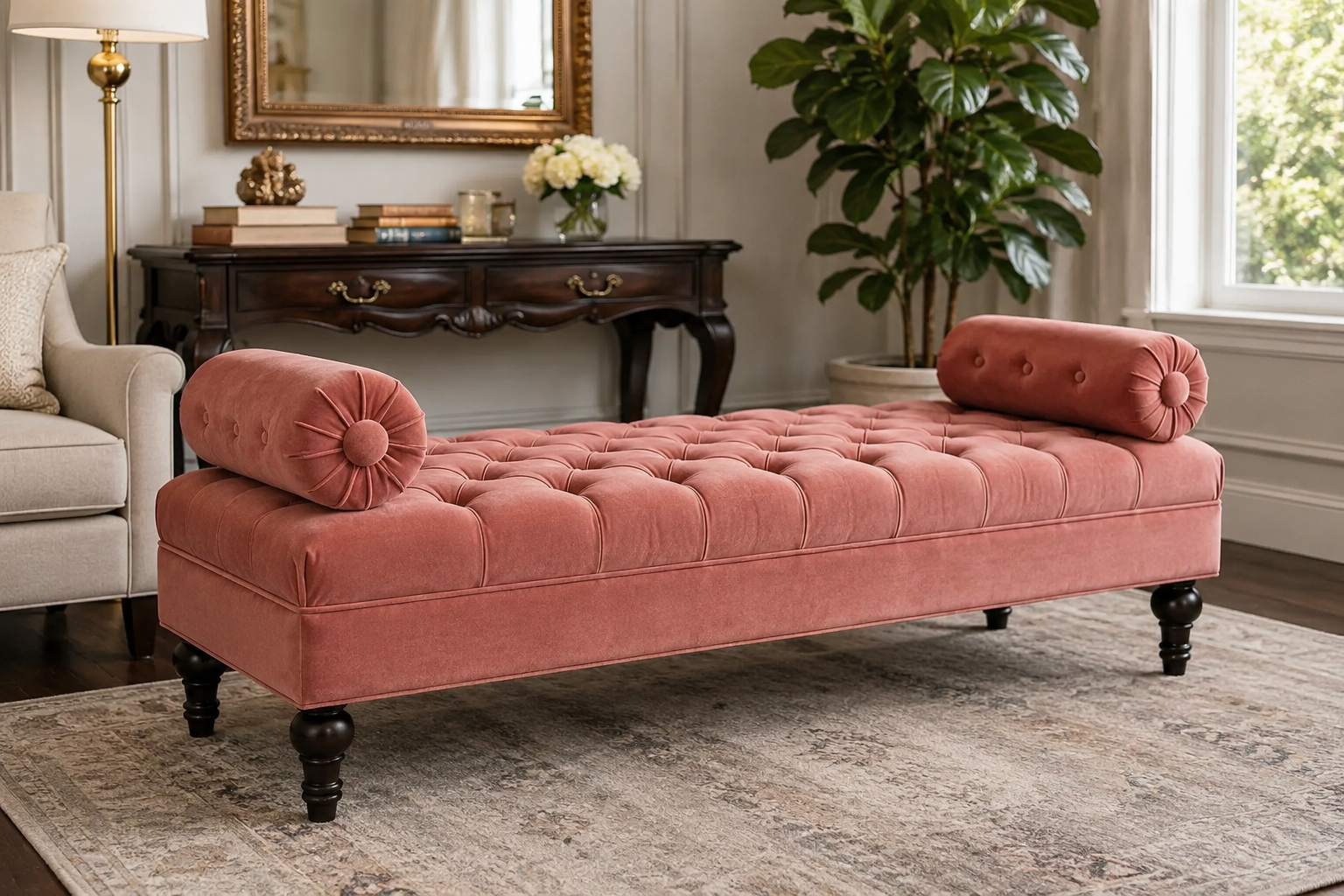
If you have shopped for living room or entryway seating recently, you have probably noticed one piece popping up everywhere: the settee bench. It is compact, stylish, and surprisingly practical. However, choosing the right one is not always simple. Between sizing, materials, and style options, there is a lot to think through before you buy.
I have spent years helping homeowners furnish small spaces, and the settee bench is one of those pieces that either works beautifully or feels like a mistake within a few months. The difference usually comes down to a few key decisions made before purchase, not after. This guide walks through everything you need to know in 2026, including current trends, sizing rules, material choices, and practical buying advice you can actually use.
What Is a Settee Bench, Exactly?
A settee bench is a small upholstered or wooden seat, typically without arms, that blends the compactness of a bench with the comfort of a settee. Unlike a full sofa, it usually seats two people comfortably and takes up far less floor space. Because of this, it works well in entryways, bedrooms, dining nooks, and even at the foot of a bed.
Many people confuse a settee bench with a loveseat. The difference is subtle but important. A loveseat almost always has arms and deeper cushioning, while a settee bench tends to have a slimmer profile and simpler lines. As a result, it fits into tighter spaces without overwhelming a room.
Why Settee Benches Are Trending in American Homes in 2026
Home sizes across the United States have been shrinking steadily, especially in cities like New York, Chicago, and San Francisco. Consequently, furniture that offers flexibility without sacrificing comfort has become more popular. Settee benches fit this need perfectly because they double as seating, storage, and even decor.
Additionally, remote work has changed how Americans use their homes. Entryways are no longer just pass-through spaces; they are now functional zones where people take off shoes, drop bags, and sometimes even take quick calls. A settee bench near the door adds practical seating without cluttering the space.
Interior design trends for 2026 also lean toward warm minimalism. Think natural wood tones, boucle fabrics, and curved silhouettes. Settee benches fit naturally into this aesthetic because their simple shape pairs well with almost any decor style, from farmhouse to contemporary.
Popular Settee Bench Styles for 2026
Choosing a style depends largely on your existing decor and how you plan to use the piece. Below are the styles seeing the most demand this year.
Modern Minimalist Settee Benches
These feature clean lines, tapered wood or metal legs, and neutral upholstery. They work particularly well in apartments and open-concept homes where visual clutter needs to stay low. Because the design is so simple, this style tends to age well and rarely looks dated.
Farmhouse and Rustic Benches
Farmhouse-style settee benches often use distressed wood, linen upholstery, and slightly chunkier frames. They are popular in suburban homes throughout the Midwest and South, where rustic and cottagecore aesthetics remain strong. Since the finish is intentionally imperfect, these benches also hide everyday wear better than sleek modern pieces.
Mid-Century Modern Benches
This style has never really gone out of fashion, and 2026 is no exception. Tapered wooden legs, tufted backs, and warm mustard, olive, or burnt orange fabrics define this look. Mid-century settee benches work especially well in living rooms and home offices.
Storage Settee Benches
For smaller homes, storage settee benches solve two problems at once. The seat lifts to reveal a hidden compartment, which is ideal for blankets, shoes, or seasonal items. Because storage benches tend to have flat, hinged tops, they are also incredibly practical in entryways and mudrooms.
Upholstered and Tufted Benches
Tufted settee benches bring a touch of elegance to bedrooms and formal living spaces. Velvet and boucle fabrics are especially popular this year, largely because they photograph well and feel luxurious without requiring a large investment.
Outdoor and Patio Settee Benches
With outdoor living spaces becoming a bigger priority for American homeowners, weather-resistant settee benches made from teak, wicker, or powder-coated metal are gaining traction. These work well on porches, patios, and even covered balconies in apartment complexes.
How to Choose the Right Size Settee Bench
Size is where most buyers go wrong. A bench that looks perfect in a showroom photo can feel completely out of place once it is in your home. Before buying, measure the space carefully and leave enough room for walking paths.
Here is a general sizing guide based on common placement areas:
| Placement Area | Recommended Width | Recommended Depth |
|---|---|---|
| Entryway | 36 to 48 inches | 16 to 18 inches |
| End of bed | 48 to 60 inches | 18 to 20 inches |
| Living room accent | 40 to 54 inches | 20 to 24 inches |
| Dining nook | 42 to 60 inches | 16 to 18 inches |
As a rule of thumb, leave at least 30 inches of walking space around any bench, especially in high-traffic areas like entryways. If you are placing a bench at the foot of a bed, it should generally be a few inches narrower than the bed frame itself so it does not visually overwhelm the room.
Height matters too. Standard settee benches sit between 17 and 19 inches, which matches most dining chair and sofa heights. If your bench will be used for sitting while putting on shoes, slightly taller options around 19 to 20 inches tend to feel more comfortable.
Choosing the Right Material and Fabric
Material choice affects both durability and maintenance, so it deserves real consideration rather than a quick decision based on looks alone.
Wood frames made from oak, walnut, or acacia tend to last the longest and develop a nice patina over time. Solid wood costs more upfront, but it typically outperforms engineered wood in humid climates, which matters for homeowners in states like Florida or Louisiana.
Metal frames are popular for modern and industrial-style benches. They resist warping and work well in entryways where moisture from wet shoes or umbrellas is common.
Upholstery fabric should match how the bench will be used. Performance fabrics, including treated linen and microfiber blends, resist stains and are easier to clean, making them a smart choice for households with kids or pets. Velvet and boucle look beautiful but require more careful maintenance, so they work best in lower-traffic areas like bedrooms.
When it comes to safety, it is worth checking that upholstered furniture meets current flammability and material safety standards. The U.S. Consumer Product Safety Commission’s federal flammability standard for upholstered furniture requires a permanent compliance label on qualifying pieces, and checking for this label before buying imported furniture can help you avoid pieces made with untested materials or coatings.
Where to Place a Settee Bench in Your Home
Placement can make or break the functionality of a settee bench. Below are the most common and effective spots.
Entryway: This is the most popular placement across American homes. A bench near the front door gives family members a place to sit while removing shoes, and it often doubles as a landing spot for bags or mail.
Foot of the bed: This placement adds visual balance to a bedroom while offering a spot to sit while getting dressed. It also works well for laying out clothes the night before.
Living room: A settee bench can replace a coffee table in smaller living rooms, or sit against a blank wall to add extra seating during gatherings. If you are still deciding on your overall living room layout, our living room furniture arrangement guide walks through additional layout strategies that pair well with bench seating.
Dining nook: Benches are increasingly replacing traditional dining chairs, especially in breakfast nooks. They allow more people to sit comfortably in a smaller footprint.
Home office: A settee bench can serve as guest seating or a reading nook, particularly in homes where the office doubles as a guest room.
Budget Guide: What to Expect at Each Price Point
Pricing varies significantly depending on materials, brand, and craftsmanship. As of mid-2026, here is a general breakdown for the U.S. market.
Under $150: Basic benches made from engineered wood or particleboard with simple fabric upholstery. These work fine for light use but may show wear within a couple of years.
$150 to $400: Mid-range benches with solid wood legs, better fabric quality, and sturdier construction. This range covers most of what homeowners actually need for daily use.
$400 to $800: Higher-end pieces from established furniture brands, often featuring solid hardwood frames, premium upholstery, and better joinery.
$800 and up: Designer or custom benches, often handmade or sold through boutique furniture makers. These typically come with better warranties and longer expected lifespans.
Because prices fluctuate with material costs and shipping, it is worth checking current listings before assuming these ranges are fixed. Import tariffs on furniture materials have shifted pricing slightly throughout 2026, so mid-range options may cost a bit more than they did last year.
Buying Tips: What to Check Before You Purchase
Before adding a settee bench to your cart, run through this checklist.
First, check the weight capacity. Most settee benches support between 300 and 500 pounds total, but this varies by brand, so confirm the listing before assuming.
Second, inspect the frame material description carefully. Listings that say “wood” without specifying solid or engineered wood often mean the latter, which affects long-term durability.
Third, read recent customer reviews rather than just the star rating. Reviews from the past six months tend to reflect current manufacturing quality more accurately than older reviews, especially since some brands change suppliers over time.
Fourth, measure your space and compare it against the exact bench dimensions, not just the general category size. A few inches can make a noticeable difference in a tight entryway.
Fifth, consider assembly requirements. Many affordable benches ship flat and require assembly, so factor in the time and tools needed if you are not comfortable with basic furniture assembly.
Finally, check the return policy, especially for online purchases. Furniture can look different in person, and having a flexible return window protects you if the color or texture does not match expectations.
Care and Maintenance Tips
Proper care extends the life of a settee bench significantly, and most maintenance tasks take only a few minutes.
For wood frames, dust regularly and avoid placing the bench in direct sunlight, since UV exposure can fade or crack the finish over time. Applying furniture wax once or twice a year helps maintain the wood’s natural shine.
For upholstered benches, vacuum the fabric weekly using a soft brush attachment. Spot clean spills immediately rather than letting them set, and always check the manufacturer’s cleaning code before using any cleaning product.
For metal-framed benches, wipe down the frame periodically to prevent dust buildup, and check screws and joints every few months, since metal frames can loosen slightly with regular use.
If your bench is used outdoors, bring cushions inside during rain or extreme heat, and apply a weatherproof sealant to wood or wicker frames at least once a year.
Final Thoughts
A settee bench is one of the most versatile pieces you can add to a home in 2026. It offers seating, style, and sometimes storage, all while taking up minimal floor space. The key to getting it right comes down to measuring carefully, choosing durable materials, and matching the style to how you actually plan to use the piece.
Whether you are furnishing a small city apartment or adding a functional accent to a suburban entryway, taking the time to plan ahead will save you from a costly replacement down the road.
Frequently Asked Questions
What is the difference between a settee bench and a loveseat? A settee bench typically has a slimmer profile and no arms, while a loveseat usually includes arms and deeper cushioning. Because of this, settee benches fit into tighter spaces more easily.
Are settee benches comfortable for everyday sitting? Yes, especially models with cushioned seats and slightly angled backs. However, benches designed purely for decor or entryway use may prioritize style over long-term comfort, so check product descriptions before assuming.
Can a settee bench replace a sofa in a small living room? It can work as a secondary seating option, but most settee benches are not designed to replace a full sofa for daily lounging. They work best as accent or supplemental seating.
How much weight can a settee bench hold? Most benches support between 300 and 500 pounds total, though this varies by brand and construction. Always check the specific weight rating before purchasing, especially for storage benches with hinged lids.
What size settee bench works best for an entryway? A width between 36 and 48 inches usually works well for most American entryways, though smaller apartments may need something closer to 30 inches. Measuring your space beforehand prevents sizing mistakes.
Are storage settee benches worth the extra cost? For smaller homes, yes. The added storage space is often worth the slightly higher price, particularly in entryways and mudrooms where shoes, bags, and seasonal items need a home.
What fabric is easiest to clean on an upholstered bench? Performance fabrics, including treated linen and microfiber blends, tend to resist stains better than velvet or boucle. Households with kids or pets typically do best with these performance materials.
Do settee benches work well outdoors? Yes, as long as they are made from weather-resistant materials like teak, wicker, or powder-coated metal. Bringing cushions indoors during bad weather also helps extend their lifespan significantly.