

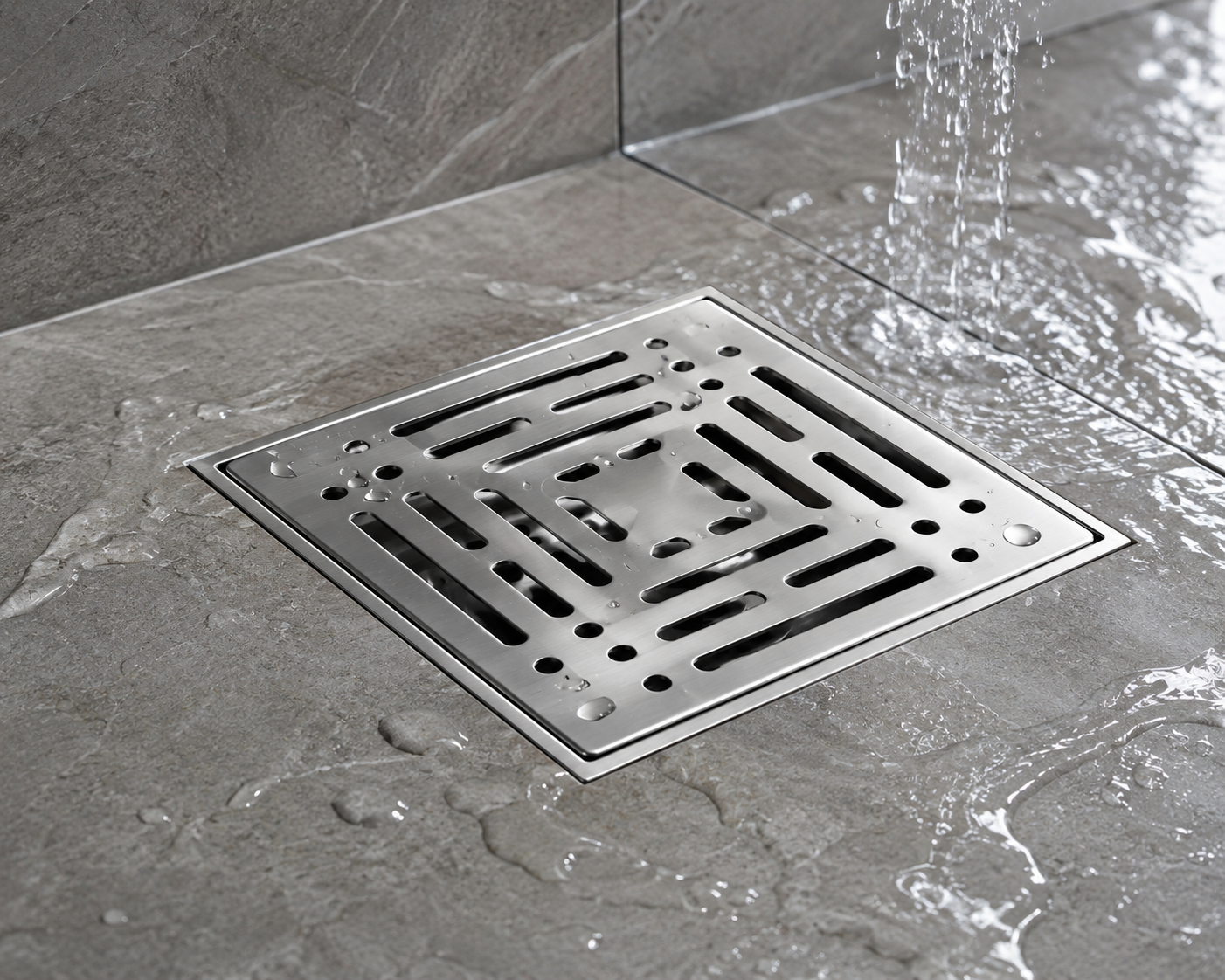
A shower drain is easy to overlook. Most homeowners never think about it until water starts pooling around their feet. However, this small fixture does a lot of heavy lifting. It protects your subfloor, prevents mold, and keeps your bathroom functioning the way it should.
This guide breaks down the main types of shower drains available in 2026. It also covers what to expect during installation and how to avoid common mistakes. Whether you are planning a full bathroom remodel or simply replacing an old drain, these tips will help you make a confident decision.
Why Shower Drain Choice Matters
Not all shower drains are created equal. Some work best in small, traditional bathrooms. Others are built for modern, curbless showers. Choosing the wrong type can lead to slow drainage, water damage, or a costly redo down the line.
Beyond function, your drain choice also affects design. A sleek linear drain, for example, allows for larger floor tiles and a more seamless look. A standard point drain, on the other hand, tends to be simpler and less expensive to install. Knowing the difference upfront saves both time and money.
Main Types of Shower Drains
There are several shower drain styles on the market today. Each one comes with its own pros, cons, and ideal use case. Let’s walk through the most common options.
Point Drains (Center Drains)
Point drains are the classic choice. They sit in the center of the shower floor and use a circular or square grate. Water flows toward this central point from all directions.
This design requires the shower floor to slope in four directions. As a result, tile layout options can be more limited, especially with larger-format tiles. Still, point drains remain popular because they are affordable and straightforward to install. They also perform reliably in smaller, standard-sized showers.
Linear Drains (Trench Drains)
Linear drains have become one of the biggest trends in bathroom design. Instead of a central grate, they use a long, narrow opening. This opening usually runs along one wall or the entrance of the shower.
Because the floor only needs to slope in one direction, linear drains make it easier to use large-format tiles. They also create a cleaner, more modern look. Many homeowners choose linear drains specifically for curbless or barrier-free showers, since the design supports easy roll-in access. According to Angi, a linear drain shower typically costs between 3,700 and 11,200 dollars to install, depending on the scope of the remodel and the sloping work involved.
Tile-In Drains
Tile-in drains, sometimes called tile insert drains, are designed to disappear visually. Instead of a visible metal grate, the drain cover is filled with the same tile used on the shower floor. This creates a nearly invisible transition between the floor and the drain.
This style works well for homeowners who want a minimalist, uninterrupted look. However, it does require more precise installation, since the tile insert must sit at the exact right height for proper drainage.
Trap-Primed and Compact Drains
In some renovations, especially in older homes, space is limited. Compact or low-profile drains are designed to fit into tighter plumbing configurations. These are common in retrofit projects where the existing plumbing cannot be significantly altered.
Key Factors to Consider Before Choosing a Drain
Before you settle on a specific drain, think through a few practical details. This step often gets skipped, and it usually leads to problems later.
1. Shower Size and Layout
Smaller showers typically work well with point drains, since the sloping requirements are easier to manage in a compact space. Larger or curbless showers, meanwhile, often benefit more from linear drains, especially if accessibility is a priority.
2. Waterproofing Method
Your waterproofing approach affects which drains will work best. Traditional shower pans often use PVC, vinyl, or hot-mop waterproofing. Modern liquid membrane or sheet membrane systems, on the other hand, tend to pair well with linear and barrier-free drain designs. It helps to confirm compatibility with your contractor before finalizing a drain choice.
3. Accessibility Needs
If you are planning ahead for aging in place, drain choice matters even more. Curbless showers with linear drains reduce fall risk and support wheelchair access. This has become a growing priority for many homeowners, particularly those renovating a primary bathroom for long-term use.
4. Budget
Point drains generally cost less to install, since they require simpler sloping and standard plumbing connections. Linear drains, while more expensive upfront, often add resale value and align with current design trends. Weighing cost against long-term value is worth doing before you commit.
5. Local Plumbing Codes
Building codes vary by city and state. Some municipalities have specific requirements for drain flow rates, trap configurations, or accessibility standards. Always check local code requirements, or ask your plumber to confirm, before finalizing your installation plan.
Shower Drain Installation: Step-by-Step Overview
While professional installation is strongly recommended, understanding the process helps you communicate clearly with your contractor. Here is a general overview of what installation typically involves.
Step 1: Remove the old drain and prepare the subfloor. This includes clearing away old mortar, adhesive, or damaged materials. The subfloor needs to be clean and structurally sound before moving forward.
Step 2: Install the drain body and connect it to the plumbing. This step requires precise alignment. The drain must connect securely to the waste line below the floor.
Step 3: Create the proper slope. For point drains, the floor slopes in four directions toward the center. For linear drains, the floor slopes in a single direction. Getting this slope right is one of the most important parts of the entire installation, since incorrect sloping leads to standing water.
Step 4: Waterproof the area. A waterproof membrane or liner goes over the sloped substrate. This step is critical for preventing leaks into the subfloor or surrounding walls.
Step 5: Install the finished tile and drain cover. Once waterproofing is complete, tile work begins. The drain cover, whether a visible grate or a tile insert, is installed last.
Because several steps depend on precise measurements and code compliance, most homeowners hire a licensed plumber or experienced tile contractor for this project. Mistakes at the sloping or waterproofing stage can be expensive to fix later.
Common Shower Drain Installation Mistakes
A few mistakes come up again and again in shower drain projects. Knowing them in advance can help you avoid costly repairs.
Incorrect slope. Even a small error in slope can cause water to pool instead of draining properly. This is one of the most common and most costly mistakes in shower installation.
Skipping proper waterproofing. Some homeowners try to cut corners here to save money. Unfortunately, this often leads to leaks, mold, and damage to the subfloor within just a year or two.
Choosing the wrong drain size. A drain that is too small for the shower’s water volume can lead to slow drainage, especially in larger or multi-showerhead setups.
Ignoring local code requirements. Skipping permits or code checks can create issues when selling your home later, since inspectors may flag non-compliant plumbing work.
Poor drain placement. In linear drain installations, placement along the wrong wall can create an awkward user experience or complicate tile layout. Planning placement early, ideally during the design phase, helps avoid this.
Maintenance Tips to Extend Drain Life
Once your new drain is installed, a little regular maintenance goes a long way. Here are a few simple habits worth building into your routine.
Clean the drain cover weekly to prevent hair and soap buildup. A simple wipe-down keeps water flowing freely and prevents early clogs.
Use a drain guard or hair catcher, especially in bathrooms with heavy daily use. This small accessory can prevent the majority of clogs before they start.
Flush the drain periodically with hot water. This helps break down soap scum and minor buildup without needing harsh chemicals.
Inspect seals and grout lines every few months. Cracked grout or worn caulk around the drain can allow water to seep beneath the tile, so catching this early prevents bigger repairs.
If you are also planning updates elsewhere in the bathroom, our bathroom remodel cost guide breaks down typical pricing for tile, fixtures, and labor to help you budget the full project.
Signs Your Shower Drain Needs Attention
Sometimes a drain problem shows up gradually. Other times, it happens all at once. Either way, catching the warning signs early can save you from a bigger repair bill.
Slow drainage is usually the first clue. If water lingers around your feet for more than a few seconds after you turn off the shower, something is off. This could mean a clog, a slope issue, or a drain that is simply too small for your shower’s water volume.
Persistent odors are another red flag. A dry P-trap, trapped hair, or soap buildup can all cause unpleasant smells. If cleaning does not solve the problem, it may be time to inspect the trap itself.
Cracked grout or discolored tile near the drain can point to a leak underneath the surface. This is worth addressing quickly, since hidden moisture can lead to mold growth or subfloor damage over time.
Finally, rust or corrosion on a metal drain cover is a sign of age. Older drains, especially those installed decades ago, may no longer meet current code standards. Replacing them proactively is often cheaper than waiting for a failure.
Choosing the Right Drain Size and Flow Rate
Drain size plays a bigger role in performance than most homeowners realize. A drain that looks fine on paper can still struggle if it is undersized for your shower.
Standard point drains typically measure 2 inches in diameter. This works well for a single showerhead in an average-sized shower. However, larger showers, rain showerheads, or multi-head systems push more water through the system at once. In these cases, a larger drain or a longer linear drain helps prevent backups.
Flow rate, usually measured in gallons per minute, is another factor worth discussing with your contractor. Manufacturers typically list a general flow rate guideline for each drain model. Keep in mind that actual performance can vary based on water pressure, pipe diameter, and the height of standing water above the drain. If you are unsure which size fits your setup, a plumber can calculate this based on your specific fixtures.
Hiring the Right Professional for the Job
Shower drain installation touches several trades at once. It involves plumbing, waterproofing, and tile work, all of which need to work together seamlessly. Because of this overlap, choosing the right professional matters just as much as choosing the right drain.
Look for a licensed plumber with specific experience in shower pan installation, not just general plumbing repairs. Ask to see examples of past shower or wet room projects, especially if you are installing a linear or curbless drain. Waterproofing quality is difficult to inspect once tile is installed, so reviewing past work and asking about warranty coverage upfront is a smart move.
It also helps to get a written estimate that separates labor, materials, and any anticipated plumbing modifications. This makes it easier to compare quotes and avoid surprise costs partway through the project.
Shower Drain Trends in 2026
Bathroom design continues to shift toward wellness-focused, accessible spaces. Linear drains remain especially popular, largely because they support curbless entry and align with aging-in-place design goals. Industry data shows a growing share of homeowners now requesting these accessibility-focused features during renovations.
Minimalist, tile-in drain covers are also gaining traction. Homeowners want their shower floor to feel seamless, with as few visible fixtures as possible. At the same time, decorative drain covers with subtle geometric patterns are showing up in higher-end remodels, offering a middle ground between fully hidden and fully visible designs.
Sustainability is playing a role, too. Some manufacturers now offer drains made from recycled metals or designed for more efficient water flow, which pairs well with the broader push toward eco-conscious home renovations.
Final Thoughts
Choosing and installing the right shower drain is not just a technical decision. It also shapes how your bathroom looks, functions, and holds up over time. Point drains remain a reliable, budget-friendly option for standard showers. Linear drains, meanwhile, offer a modern look and better accessibility for curbless designs. Whichever you choose, proper slope and waterproofing matter more than almost anything else in the installation process. Take the time to plan carefully, and lean on a qualified professional for the technical steps. Your future self, standing in a leak-free shower, will thank you.
Frequently Asked Questions
How much does it cost to install a new shower drain? Costs vary depending on the drain type and scope of work. A linear drain installation as part of a shower remodel typically runs between 3,700 and 11,200 dollars, while a simple point drain replacement can cost significantly less if the plumbing and slope are already in place.
Can I install a shower drain myself? Basic drain swaps may be manageable for experienced DIYers. However, anything involving slope changes, waterproofing, or plumbing connections is best left to a licensed professional, since mistakes here can lead to costly water damage.
What is the difference between a point drain and a linear drain? A point drain sits in the center of the shower and requires the floor to slope in four directions. A linear drain runs along one wall and only requires a single-direction slope, which allows for larger tiles and a more modern look.
Are linear drains better for accessibility? Yes. Linear drains work especially well in curbless, barrier-free showers. This makes them a popular choice for aging-in-place renovations and homes designed for wheelchair accessibility.
How often should I clean my shower drain? A quick wipe-down of the drain cover once a week helps prevent buildup. A deeper cleaning, including removing and rinsing the drain cover, is worth doing monthly, especially in high-use bathrooms.
What causes a shower drain to smell bad? Bad odors are usually caused by trapped hair, soap residue, or a dry P-trap that has allowed sewer gas to rise. Regular cleaning and occasionally running water through unused drains can help prevent this.
Do I need a permit to replace a shower drain? In many areas, replacing an existing drain without altering plumbing does not require a permit. However, new installations or significant plumbing changes often do. It is worth checking with your local building department before starting work.
What size shower drain do I need? Standard point drains are typically 2 inches in diameter, while linear drains vary in length depending on the shower’s width. A plumber can help determine the right size based on your shower’s water volume and layout.
[…] shower panels compares waterproof wall panels, and if you’re planning a curbless shower, our shower drain installation guide covers drain types and installation […]