

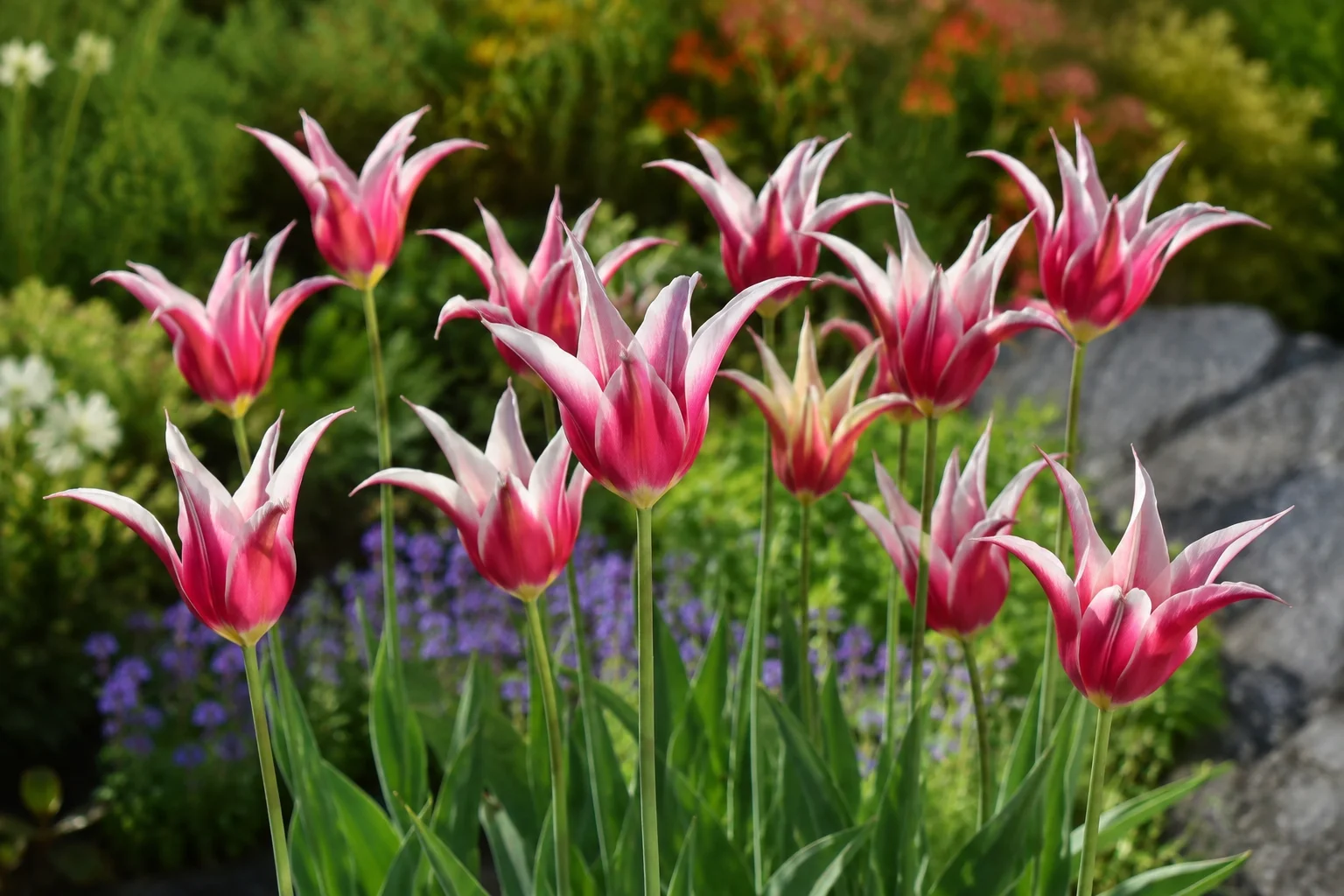
Have you ever spotted a tulip with pointed, elegant petals that curve outward like a small goblet? That’s likely a lily-flowered tulip. I’ve grown these in my own garden beds for several seasons now, and they consistently steal attention away from standard round-cupped varieties. Their shape feels more sculptural, almost architectural, which makes them a favorite among gardeners who want something beyond the classic tulip silhouette.
In this guide, we’ll cover everything you need to know about growing lily-flowered tulips successfully. That includes planting timing, soil needs, regional considerations across the US, and common problems to watch for. We’ll also answer the questions gardeners search for most often.
What Are Lily-Flowered Tulips?
Lily-flowered tulips belong to Division 6 of the official tulip classification system. According to gardening experts, tulips are divided into 15 categories based on bloom time, flower type, and size, and lily flowered tulips fall into division 6. As the name suggests, their blooms resemble true lilies far more than typical tulip flowers.
These tulips feature long, slender stems topped with goblet-shaped blossoms. The blooms have pointed, outward-arching petals that come in a variety of hues, ranging from white to pink, red, yellow, and even purple. Some cultivars take things a step further, offering feathered or edged petals with contrasting colors that add extra visual interest to garden beds and bouquets alike.
In terms of height, expect these tulips to reach about 20 to 30 inches tall, which makes them noticeably taller than many standard tulip varieties. This height, combined with their graceful shape, makes them excellent for cutting gardens. In fact, they’re prized as cut flowers because their blooms last a long time in a vase, often outlasting other tulip types by several days.
Most lily-flowered varieties bloom in late spring, though a few bloom slightly earlier, in midspring. So, if you’re planning a garden with staggered bloom times, they pair nicely with earlier tulip varieties to extend your overall flowering season.
Where Lily-Flowered Tulips Grow Best in the US
Climate plays a major role in how well tulips perform, so it helps to understand where your region fits before planting.
Cold-Winter Regions (Zones 3-6)
Gardeners in states like Minnesota, Wisconsin, Michigan, and much of New England have a natural advantage here. These regions provide the long, cold winter that tulip bulbs need to develop strong roots and reliable spring blooms. In these zones, lily-flowered tulips generally behave as short-lived perennials, meaning they may return for a few seasons before eventually declining.
Transitional Zones (Zone 7)
States like Virginia, Tennessee, and parts of North Carolina fall into this trickier middle ground. Winters are cold enough for decent blooming, but not always cold enough for strong, reliable perennial performance. Because of this, many experienced gardeners in zone 7 treat their tulips as annuals, replanting fresh bulbs each fall for the most consistent results.
Warm-Winter Regions (Zones 8-10)
Gardeners in Florida, southern Texas, and much of California face the biggest challenge. Winters here simply don’t get cold enough naturally, so bulbs need artificial chilling before planting. This typically means storing bulbs in a refrigerator for six to ten weeks before putting them in the ground, which mimics the cold dormancy period they’d experience naturally in colder climates.
When to Plant Lily-Flowered Tulips
Timing matters more than most new gardeners realize, and getting it right sets the stage for a strong spring display.
For most of the country, fall planting is essential. Specifically, you’ll want to plant once soil temperature at six inches deep drops below 60°F, which in most US climates means late September through November, depending on your USDA hardiness zone. Planting too early, while soil is still warm, can invite fungal problems and weak root development.
If you live in a warmer climate, the timeline shifts considerably. In warmer climates, USDA zones 8 through 10, it’s best to plant tulip bulbs in late November to early December, after your pre-chilled bulbs have completed their refrigerator dormancy period.
One helpful tip: don’t rush to plant bulbs the moment you buy them, especially if you purchased early in the season. Garden centers often stock bulbs in August, well before ideal planting conditions arrive. Store your bulbs in a cool, dry, well-ventilated spot until soil temperatures actually cooperate.
How to Plant Lily-Flowered Tulips
Getting the planting process right makes a real difference in bloom quality, so let’s walk through it step by step.
Step 1: Choose a sunny location. Lily-flowered tulips need at least six hours of direct sunlight daily for the strongest blooms. If you garden in a hotter southern climate, though, a spot with morning sun and afternoon shade helps protect the blooms from excessive heat stress.
Step 2: Prepare well-drained soil. These tulips absolutely cannot tolerate soggy, waterlogged conditions. Aim for a soil pH between 6.0 and 7.0, which is neutral to slightly acidic. If your soil tends to stay wet, consider raised beds or amending with compost to improve drainage.
Step 3: Dig to the proper depth. Plant bulbs roughly six to eight inches deep, with the pointed end facing upward. This depth helps protect bulbs from temperature swings and gives them a stable environment to establish roots before winter fully sets in.
Step 4: Space bulbs appropriately. Give each bulb four to six inches of space from its neighbors. This spacing allows for good air circulation, which helps prevent fungal issues, while still creating that lush, clustered look tulips are known for.
Step 5: Water and mulch. After planting, water thoroughly to help settle the soil around the bulbs. A light layer of mulch can help regulate soil temperature, though it’s not strictly necessary in most climates.
If you’re planning a full spring bulb garden rather than just tulips, our guide to planting daffodils and other fall bulbs covers additional options that pair beautifully alongside lily-flowered tulips for a longer blooming season.
Ongoing Care and Maintenance
Watering
Tulips generally need minimal supplemental watering once established, particularly if your region receives regular spring rainfall. However, during unusually dry stretches, especially right after planting in fall, a deep watering helps roots establish properly. Once the plant is actively growing in spring, moderate watering supports healthy blooms without encouraging bulb rot.
Fertilizing
A balanced approach works best here. Fertilize once at planting time in fall, then again in early spring as new growth emerges. Avoid overdoing it with nitrogen-heavy fertilizers, since too much nitrogen pushes leafy growth at the expense of flowers, which isn’t what you want from a plant grown primarily for its blooms.
Deadheading
Once flowers fade, snip off the spent bloom to prevent the plant from wasting energy on seed production. However, resist the urge to cut back the foliage right away. The leaves need to remain in place, photosynthesizing and feeding the bulb, until they naturally yellow and die back on their own. This step matters enormously if you’re hoping for repeat blooms next year.
Protecting Bulbs from Wildlife
Deer, rabbits, and rodents all find tulip bulbs appealing, unfortunately. If wildlife pressure is a known issue in your yard, consider planting bulbs inside wire cages, or interplanting with daffodils, which most animals avoid due to their toxicity. This simple trick can save you from discovering half your bulbs missing come spring.
Should You Treat Lily-Flowered Tulips as Perennials or Annuals?
This is one of the more important decisions to make upfront, since it affects your long-term gardening strategy and budget.
In colder regions, generally zones 3 through 6, lily-flowered tulips can behave as perennials, returning for several years with proper care. Even then, though, blooms often become smaller and less impressive after the first year or two, since hybrid tulips put most of their energy into that spectacular first-year flower.
In warmer zones, particularly 7 and above, most experienced gardeners simply treat these tulips as annuals. This means replanting fresh bulbs each fall for consistently strong, reliable blooms. While this does mean an annual expense, it also guarantees a more polished, predictable display every single spring, without worrying about declining bulb vigor over time.
Common Problems and How to Solve Them
Even hardy, reliable bulbs like these can run into occasional trouble, so it helps to know what to watch for.
Bulb rot. This almost always traces back to poor drainage or overly wet soil. If you’re seeing mushy, discolored bulbs at planting time, improve your soil drainage before trying again, and avoid planting in low spots where water naturally collects.
Weak or absent blooms. This typically points to insufficient chilling, especially in warmer climates where bulbs weren’t pre-chilled long enough before planting. It can also result from overcrowding, so make sure you’re following proper spacing guidelines.
Foliage without flowers. Sometimes called “blindness,” this issue often stems from bulbs that are too small or immature to flower yet. It can also happen when foliage was cut back too early the previous year, preventing the bulb from storing enough energy for the next bloom cycle.
Pest damage. Beyond deer and rabbits, keep an eye out for squirrels and voles, both of which enjoy digging up freshly planted bulbs. Wire mesh barriers placed over planting areas can help deter these smaller culprits.
Design Ideas for Lily-Flowered Tulips
Because of their distinctive shape and taller stems, lily-flowered tulips work beautifully in several garden styles.
- Cutting gardens. Their long vase life makes them ideal for gardeners who love bringing spring blooms indoors.
- Mixed spring borders. Pair them with shorter tulip varieties or early perennials for layered height and staggered bloom times.
- Cottage-style plantings. Their slightly informal, wildflower-like shape fits naturally into loose, romantic garden designs.
- Formal bedding displays. When planted in tight clusters of a single color, they create a striking, elegant statement near entryways or along walkways.
Frequently Asked Questions
When should I plant lily-flowered tulip bulbs? Most US gardeners should plant in fall, generally from late September through November, once soil temperatures drop below 60°F. In warmer climates, zones 8 through 10, wait until late November or December, and pre-chill your bulbs in the refrigerator beforehand.
How deep should I plant lily-flowered tulip bulbs? Plant bulbs roughly six to eight inches deep, with the pointed end facing upward. This depth protects bulbs through winter and supports strong root development before spring growth begins.
Do lily-flowered tulips come back every year? It depends on your climate. In colder zones, generally 3 through 6, they often behave as short-lived perennials and may return for a few seasons. In warmer zones, most gardeners treat them as annuals and replant fresh bulbs each fall for the best results.
Why aren’t my lily-flowered tulips blooming? This usually points to insufficient winter chilling, bulbs that are too small or immature, or foliage that was cut back too early the previous year. Overcrowded planting can also weaken bloom performance over time.
Can I grow lily-flowered tulips in a warm climate like Florida or Southern California? Yes, but you’ll need to pre-chill the bulbs in a refrigerator for six to ten weeks before planting, since these regions don’t naturally provide the cold dormancy period tulips require. Most warm-climate gardeners treat them as annuals rather than expecting them to return year after year.
How tall do lily-flowered tulips grow? Most varieties reach between 20 and 30 inches tall, making them noticeably taller than many standard round-cupped tulip varieties. This height makes them especially popular for cut flower arrangements.
What’s the best soil for growing lily-flowered tulips? Well-drained soil with a pH between 6.0 and 7.0 works best. These tulips cannot tolerate consistently wet or waterlogged conditions, so good drainage is essential to prevent bulb rot.
How do I protect my tulip bulbs from squirrels and deer? Planting bulbs inside wire cages offers strong protection against digging animals like squirrels and voles. For deer and rabbits, interplanting with daffodils can help, since most wildlife avoids daffodils due to their natural toxicity.
Final Thoughts
Lily-flowered tulips bring a sculptural elegance to spring gardens that few other bulbs can match. Their pointed, curving petals and impressive height make them standouts in beds, borders, and vases alike. Whether you’re gardening in the cold winters of Minnesota or working around the warmer conditions of coastal California, understanding your zone’s specific planting timeline makes all the difference between a lackluster display and a genuinely stunning one. Give them well-drained soil, proper planting depth, and a little patience each fall, and you’ll be rewarded with one of the most graceful blooms the tulip world has to offer.
For additional variety recommendations and detailed planting schedules by region, the Old Farmer’s Almanac tulip growing guide offers a thorough, trusted reference worth bookmarking.