

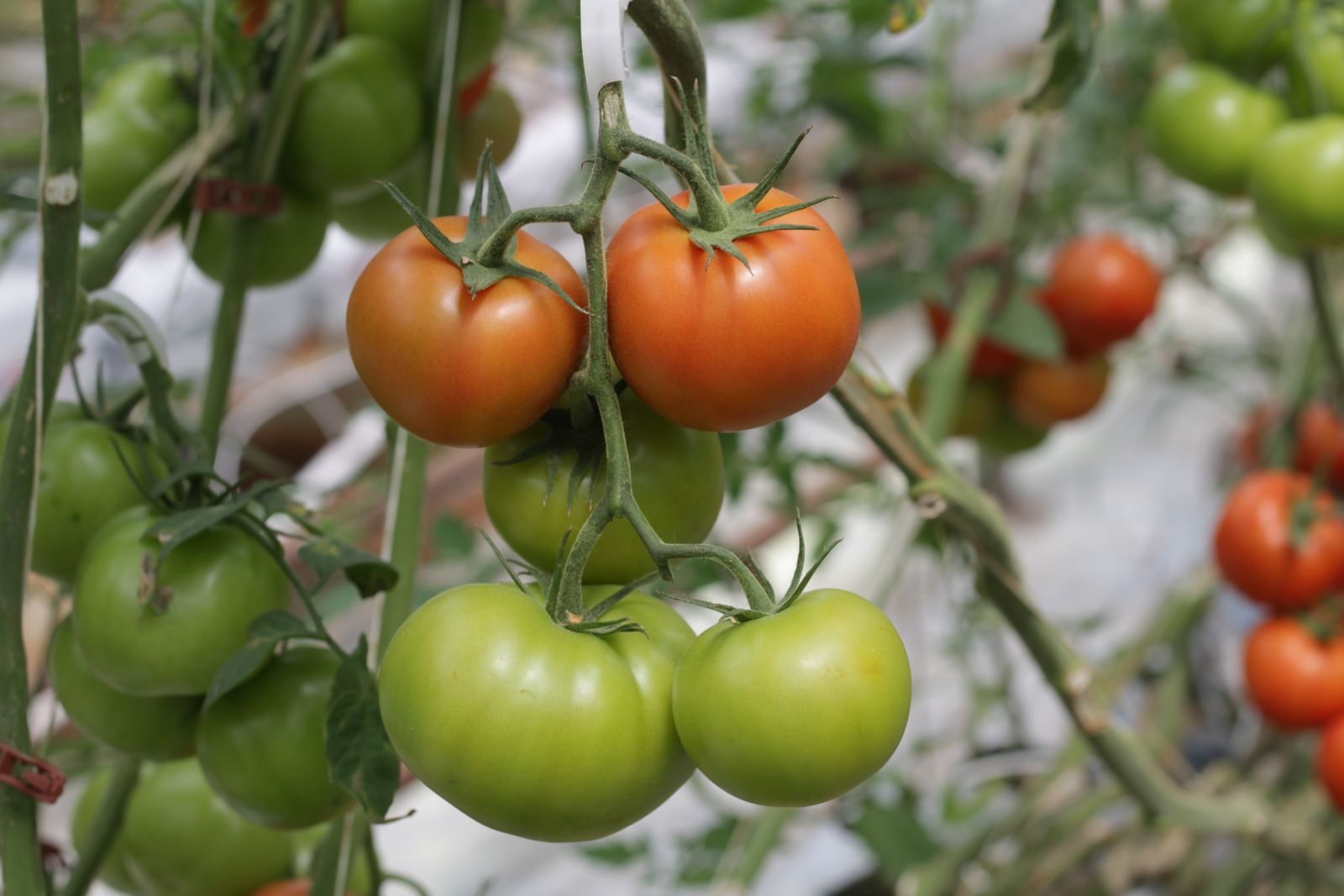
If you have ever picked a single sad batch of tomatoes and then watched your plant call it quits for the season, you were probably growing a determinate variety. Indeterminate tomatoes work differently. They keep growing, keep flowering, and keep producing fruit right up until frost shuts things down. For home gardeners across the United States who want a steady supply of tomatoes from midsummer through early fall, indeterminate varieties are usually the smarter choice.
This guide walks through what makes indeterminate tomatoes unique. Which varieties are performing best heading into the 2026 growing season, and how to care for them so you get the longest possible harvest window. Along the way, we will also cover regional considerations, since a tomato that thrives in Georgia’s humidity may struggle in Montana’s shorter summer.
What Are Indeterminate Tomatoes, Exactly?
Indeterminate tomatoes are vining plants that never stop growing until the weather kills them. Unlike determinate varieties, which grow to a set height, produce one big flush of fruit, and then decline, indeterminate plants keep sending out new stems, flowers, and fruit clusters all season long. Consequently, you get a rolling harvest instead of one big canning weekend.
This growth habit does come with tradeoffs. Indeterminate plants generally need more space, sturdier support, and more consistent pruning than their determinate cousins. However, for most backyard gardeners who want fresh tomatoes on the kitchen counter from July through October, that extra effort is well worth it.
Indeterminate vs. Determinate: Why It Matters for Your Garden
Before picking varieties, it helps to understand the practical differences.
- Growth pattern: Determinate plants stop growing once they set fruit at the top. Indeterminate plants keep climbing, sometimes reaching six to twelve feet tall in a single season.
- Harvest timing: Determinate tomatoes ripen within a two to three week window, which is great if you are canning or making sauce in bulk. Indeterminate tomatoes ripen gradually, so you get smaller batches spread across many weeks.
- Support needs: Because indeterminate vines get so large, they typically require tall stakes, cages, or a trellis system. Determinate varieties usually manage fine in a shorter cage.
- Pruning: Indeterminate plants benefit from regular pruning to control size and improve airflow. Determinate plants generally do not need much pruning at all.
If your goal is a continuous supply of fresh tomatoes rather than one big preserving day, indeterminate varieties are the way to go.
Best Indeterminate Tomato Varieties for 2026
Plant breeders keep improving disease resistance and flavor every year, so it is worth checking in on what is new before you place a seed order. Here are some standout indeterminate varieties gardeners are talking about this season.
1. Tomato BadaBing! F1
This is one of the newest All-America Selections winners heading into 2026, and it is generating a lot of buzz for good reason. BadaBing! F1 is a large cherry, almost cocktail-sized tomato that offers strong protection against Septoria leaf spot, early blight, and late blight, which are three of the most common tomato diseases in home gardens. Despite being a true indeterminate plant, it stays a relatively manageable size compared to older heirloom vines, which makes it a good fit for gardeners with limited trellis space. It also produces early in the season, so you will not be waiting until late August for your first ripe fruit.
2. Cherokee Purple
A beloved heirloom with a deep, smoky-sweet flavor that slicing tomato fans swear by. It is not the most disease-resistant option on this list, so good airflow and mulching matter more here than with hybrid varieties.
3. Sungold
An extremely popular cherry tomato known for its almost candy-like sweetness. Sungold is prolific, and one healthy plant can produce hundreds of fruits over a season, which makes it a favorite for snacking and salads alike.
4. Chef’s Choice Series (including Chef’s Choice Orange and Chef’s Choice Pink)
These AAS-winning beefsteak types combine large, meaty fruit with better-than-average disease tolerance. They are a solid pick if you want big slicing tomatoes without sacrificing the extended harvest window that indeterminate plants provide.
5. Brandywine
Another heirloom classic, Brandywine is prized for rich, old-fashioned tomato flavor. It takes a bit longer to ripen than hybrid varieties, so gardeners in shorter-season regions may want to start seeds indoors a little earlier.
6. Jasper
A small, red cherry tomato bred for both flavor and disease resistance. It handles heat and humidity reasonably well, which makes it a good option for Southern gardens.
Growing Tips for a Longer, Healthier Harvest
Getting the most out of indeterminate tomatoes comes down to a handful of consistent habits rather than any single trick.
Start with strong support before you need it. Set up your stakes, cages, or trellis at planting time, not after the vines have already sprawled across the ground. A sturdy 6 to 8 foot stake or a well-built cattle panel trellis works well for most varieties, and it saves you from wrestling with tangled vines later in the season.
Plant deep. Tomatoes root along their stems, so burying two-thirds of the seedling at planting time encourages a stronger root system. This is especially helpful in hot climates where deeper roots access more consistent soil moisture.
Space plants generously. Indeterminate vines need airflow to stay healthy, so aim for at least 24 to 36 inches between plants. Crowded plants are far more prone to fungal diseases like early blight. Particularly in humid regions such as the Southeast and Mid-Atlantic.
Water consistently, not heavily. Uneven watering is one of the leading causes of blossom end rot and fruit cracking. A drip irrigation line or soaker hose that delivers steady moisture to the root zone works better than occasional deep watering with a hose.
Mulch around the base. A two to three inch layer of straw or shredded leaves keeps soil moisture even and prevents soil-borne fungal spores from splashing onto lower leaves during rain.
Regional Considerations Across the U.S.
Growing conditions vary widely across the country, so it helps to adjust your approach based on where you garden.
In the Southeast and Gulf Coast, high humidity makes fungal disease a bigger concern than in drier climates. Gardeners here should prioritize disease-resistant varieties, prune aggressively for airflow, and avoid overhead watering whenever possible.
In the Midwest and Northern Plains, the growing season is shorter, so starting seeds indoors six to eight weeks before the last frost date gives plants a head start. Choosing earlier-maturing indeterminate varieties, such as BadaBing! F1, can help you get a full harvest before the first fall frost arrives.
In the Southwest, intense sun and heat can stress tomato plants during peak summer. Afternoon shade cloth and consistent deep watering help plants keep flowering instead of dropping blossoms during heat waves.
In the Pacific Northwest, cooler summers mean gardeners often benefit from heat-loving varieties planted in the sunniest available spot, sometimes paired with black plastic mulch to warm the soil early in the season.
Pruning and Trellising for Continuous Production
Pruning is where indeterminate tomatoes really separate themselves from determinate types. Because these plants never stop producing new growth, regular maintenance keeps energy focused on fruit rather than excess foliage.
Remove suckers, which are the small shoots that form in the joint between the main stem and a branch, especially during the plant’s early growth stages. Most gardeners train indeterminate tomatoes to one or two main stems for the best balance of fruit size and yield. That said, heavy pruning is not mandatory. And some gardeners prefer to let plants grow a bit bushier for extra shade protection in hot climates.
As the season goes on, remove yellowing lower leaves to improve airflow and reduce the risk of soil-borne diseases splashing upward. Around six weeks before your expected first frost, many gardeners “top” their indeterminate plants by cutting off the growing tip, which redirects energy into ripening the existing fruit rather than producing new flowers that will not have time to mature.
For a deeper dive into pairing your tomato beds with pest-repelling and soil-boosting neighbors, check out our companion planting guide for tomatoes, which covers which herbs and flowers work best alongside your vines.
Common Problems and How to Handle Them
Even well-cared-for indeterminate tomatoes run into occasional trouble. Blossom drop often happens during extreme heat or cold snaps and usually resolves once temperatures stabilize. Cracking fruit typically points to inconsistent watering, so a steady irrigation schedule helps prevent it. Yellowing lower leaves are often just the plant naturally shedding older foliage. Though it is worth checking for early blight if the spotting spreads upward. Finally, if plants seem to stall out in midsummer, a light feeding of a balanced fertilizer can help sustain the long production window indeterminate varieties are known for.
According to the nonprofit trialing organization All-America Selections, disease resistance and steady garden performance are now central to how new tomato varieties are evaluated each year. Which is good news for home gardeners looking for reliable, lower-maintenance options (All-America Selections, AAS Winning Tomato Types).
Frequently Asked Questions
1. What is the main difference between indeterminate and determinate tomatoes? Indeterminate tomatoes keep growing and producing fruit all season until frost. While determinate tomatoes grow to a fixed size and ripen most of their fruit within a short window.
2. Do indeterminate tomatoes need to be pruned? Not strictly, but pruning helps control size, improves airflow, and often results in larger fruit. Most gardeners train plants to one or two main stems for the best balance of yield and manageability.
3. How tall do indeterminate tomato plants get? Most varieties reach six to eight feet, though some heirlooms can grow even taller if left unpruned and given strong support.
4. When should I start indeterminate tomato seeds indoors? In most U.S. regions, starting seeds six to eight weeks before your last expected frost date gives plants enough time to establish before transplanting outdoors.
5. Can indeterminate tomatoes be grown in containers? Yes, but they need large containers, at least 15 to 20 gallons, along with a tall stake or cage, since the vines will keep growing throughout the season.
6. Why are my indeterminate tomato leaves turning yellow? This is often natural leaf drop as the plant ages, but it can also signal early blight or nutrient deficiency, so checking for spotting patterns is a good next step.
7. What is the best fertilizer for indeterminate tomatoes? A balanced fertilizer with slightly more phosphorus than nitrogen supports strong flowering and fruit set without producing excessive leafy growth.
8. How do I extend my indeterminate tomato harvest into fall? Topping the plant, removing new flowers about six weeks before your first frost. And covering plants during unexpected cold snaps can help ripen existing fruit and stretch your harvest a bit longer.