

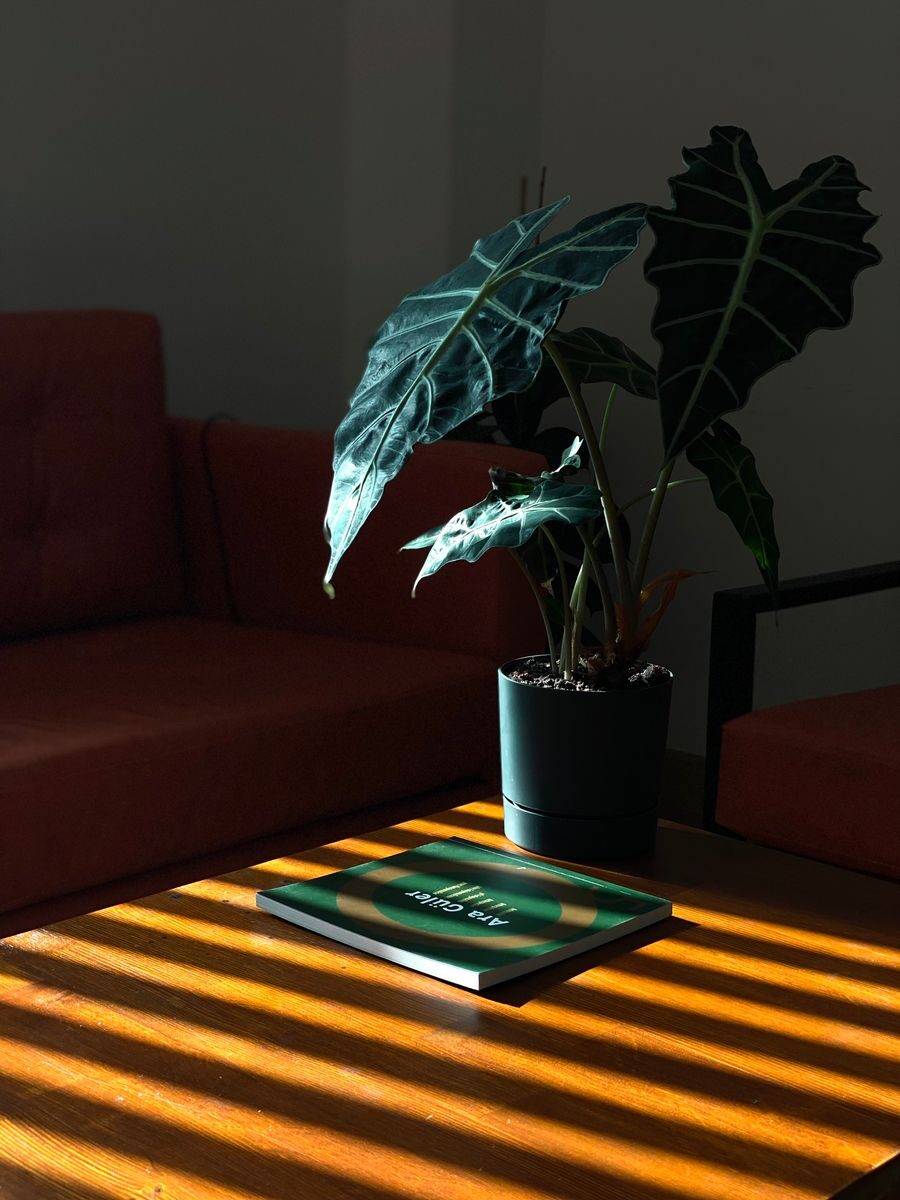
I killed my first Alocasia Polly within three weeks. It sat in a dark corner of my apartment, and I watered it every time I remembered, which was often too much. Since then, I’ve grown half a dozen of these plants across different homes, and I’ve learned that Alocasia Polly is far more forgiving once you understand what it actually wants. This guide walks through everything I wish someone had told me back then, updated with what’s working for growers across the country this year.
What Is an Alocasia Polly, Exactly?
Alocasia Polly, sometimes labeled Alocasia x amazonica, is a hybrid tropical plant prized for its dark green, arrow-shaped leaves and striking white veins. People often call it the African Mask Plant because of its bold, almost sculptural appearance. However, the name is a bit misleading, since the plant’s true origins trace back to Southeast Asia rather than Africa.
This hybrid was developed for its compact size and dramatic foliage, making it a popular choice for apartments, offices, and small homes. Unlike some of its larger Alocasia cousins, Polly typically stays under two feet tall indoors. As a result, it fits nicely on a windowsill, side table, or bookshelf without overwhelming the space.
Because it’s a hybrid, Alocasia Polly can behave a bit differently depending on where you got it and how it was propagated. Some growers report their plants going dormant every winter, while others keep leaves year-round. Both patterns are normal, so don’t panic if yours suddenly looks different from a friend’s.
Light Requirements: Finding the Sweet Spot
Alocasia Polly wants bright, indirect light. Direct afternoon sun will scorch those beautiful leaves, leaving crispy brown patches that never recover. On the other hand, too little light causes leggy growth and dull, faded coloring.
In most US homes, an east-facing window works well because it offers gentle morning sun. South and west-facing windows can work too, but only if the plant sits a few feet back or behind a sheer curtain. If you live somewhere with long, gray winters, such as the Pacific Northwest or the Midwest, you may need a grow light between November and February to keep growth steady.
I’ve found that rotating the pot a quarter turn every week helps the plant grow evenly instead of leaning toward the light source. It’s a small habit, but it makes a noticeable difference over a few months.
Watering: Less Often Than You Think
This is where most people go wrong, myself included. Alocasia Polly grows from a rhizome that rots quickly in soggy soil. Therefore, the golden rule is to let the top one to two inches of soil dry out completely before watering again.
In practice, that usually means watering every seven to ten days during spring and summer. During fall and winter, when growth slows down, you might stretch that to every two weeks or longer. Always check the soil with your finger rather than following a fixed schedule, since humidity, pot size, and room temperature all affect how quickly soil dries.
Overwatering shows up as yellowing lower leaves, a mushy stem, or a sour smell coming from the pot. Underwatering, meanwhile, causes drooping and curling leaf edges. Both problems are fixable if caught early, but root rot from consistent overwatering is often fatal.
Tap water is generally fine in most parts of the country. That said, if you live in an area with heavily chlorinated or fluoridated water, such as many large municipal systems, letting water sit out overnight before using it can reduce leaf tip browning over time.
Humidity and Temperature Needs
As a tropical plant, Alocasia Polly craves humidity levels between 60 and 80 percent. Most American homes sit closer to 30 to 40 percent, especially during winter when heaters run constantly. This mismatch is one of the biggest reasons indoor Alocasias struggle.
A humidifier placed nearby is the most reliable fix. Grouping plants together also raises humidity slightly through natural transpiration. Misting can help temporarily, but it’s a short-term solution rather than a lasting one, since the effect fades within minutes.
Temperature-wise, aim for a range between 65 and 80 degrees Fahrenheit. Avoid placing the plant near drafty windows, air conditioning vents, or exterior doors, particularly in colder regions like the Northeast or Upper Midwest during winter months. Sudden temperature swings stress the plant and often trigger leaf drop.
Soil and Potting Essentials
Well-draining, chunky soil is essential for Alocasia Polly. A standard houseplant mix straight from the bag usually holds too much water on its own. Instead, blend in perlite, orchid bark, or coarse sand to improve drainage and airflow around the roots.
A pot with drainage holes is non-negotiable here. If you love a decorative pot without holes, simply use it as a cachepot and keep the plant in its nursery pot inside. This way, excess water drains freely and never pools around the rhizome.
Repotting is typically needed every one to two years, ideally in spring when the plant is actively growing. Choose a pot only one size larger than the current one, since oversized pots hold excess moisture that the roots can’t use quickly enough.
Fertilizing for Healthy Growth
During the growing season, which generally runs from March through September, feed your Alocasia Polly every four to six weeks with a balanced liquid fertilizer diluted to half strength. Because these plants are relatively light feeders, over-fertilizing can cause brown leaf tips and salt buildup in the soil.
Skip fertilizer entirely during fall and winter when growth naturally slows or stops. If your plant goes fully dormant, meaning all the leaves die back, resist the urge to feed it until you see new growth emerging in spring.
Common Problems and How to Fix Them
Yellow leaves are usually the first sign something’s off. Most often, this points to overwatering, though it can occasionally signal a lack of nutrients if it’s been months since the last feeding. Check the soil moisture first before assuming a nutrient issue.
Brown, crispy edges typically mean low humidity or inconsistent watering. Spider mites and mealybugs also target stressed Alocasias, so inspect the undersides of leaves regularly, especially if you notice fine webbing or sticky residue.
If your plant suddenly drops all its leaves, don’t throw it out right away. Alocasias are known for going dormant, retreating back to the rhizome during stressful seasons. As long as the rhizome stays firm rather than mushy, there’s a good chance new growth will appear once conditions improve.
Propagation: Growing Your Collection
Alocasia Polly propagates most reliably through rhizome division. During repotting, look for offsets, which are small plantlets growing from the base of the main rhizome. Gently separate these using a clean, sharp knife, making sure each division has at least one growth point and a few roots attached.
Pot the divisions in fresh, well-draining soil and keep them slightly warmer and more humid than the parent plant while they establish. New growth usually appears within four to eight weeks under the right conditions. For more detail on building the right soil blend for propagation, check our full guide to choosing the best potting soil for houseplants.
Seasonal Care Across US Climates
Because the United States spans such a wide range of climates, care routines shift depending on where you live. In humid Southern states like Florida, Louisiana, or Georgia, Alocasia Polly often thrives with minimal extra humidity support, though indoor air conditioning can dry things out more than expected during summer.
In drier regions such as Arizona, Nevada, or Colorado, a humidifier isn’t optional, it’s essential. Meanwhile, growers in the Northeast and Midwest should pay close attention to drafts near windows during winter, since sudden cold snaps can shock the plant even if it’s technically indoors.
If you live somewhere with mild winters, like coastal California, you might even move your Alocasia outdoors to a shaded patio during summer months. Just remember to bring it back inside once nighttime temperatures start dipping below 60 degrees Fahrenheit.
Choosing a Healthy Plant at the Nursery
If you’re shopping for a new Alocasia Polly, a little inspection at the store saves headaches later. Look for firm, upright leaves without soft spots, holes, or yellowing along the edges. Additionally, check the soil surface for any signs of fungus gnats, which often hitch a ride from nursery greenhouses into home collections.
Gently tip the pot to peek at the drainage hole. Roots should appear pale and firm rather than dark brown or mushy. If you see roots circling tightly around the pot’s edge, the plant is likely rootbound and will benefit from repotting soon after you bring it home.
Big box stores and local nurseries both carry Alocasia Polly, though specialty plant shops often have healthier stock since turnover tends to be faster. Either way, quarantine any new plant away from your existing collection for about two weeks. This simple step helps catch hidden pests before they spread to your other houseplants.
Pruning and General Maintenance
Regular maintenance keeps Alocasia Polly looking sharp and encourages the plant to redirect energy toward new growth. Remove yellowing or damaged leaves at the base of the stem using clean, sharp scissors rather than tearing them off by hand. Torn leaves create larger wounds that heal more slowly and can invite disease.
Dust tends to accumulate quickly on those broad, glossy leaves, especially in homes without much airflow. Wiping leaves down every few weeks with a damp cloth not only keeps them looking their best but also allows the plant to photosynthesize more efficiently. Avoid leaf shine products, since they can clog the pores on the leaf surface over time.
If you notice one section of the plant looking noticeably weaker than the rest, it’s often a sign of uneven light exposure or a localized pest issue. Addressing problems early, rather than waiting for the whole plant to decline, generally leads to a much faster recovery.
A Note on Pet Safety
Alocasia Polly contains calcium oxalate crystals, which are toxic if chewed or ingested by cats, dogs, or curious toddlers. Symptoms typically include oral irritation, drooling, and swelling. The ASPCA lists Alocasia as toxic to both dogs and cats, so it’s worth keeping the plant on a high shelf or in a room pets can’t easily access. If you suspect ingestion, contact a veterinarian or pet poison hotline right away rather than waiting to see if symptoms appear.
Final Thoughts
Alocasia Polly rewards patience more than perfection. Once you nail down the light, watering rhythm, and humidity balance, this plant becomes far less finicky than its reputation suggests. Start slow, watch how your specific plant responds in your specific home, and adjust from there rather than following a rigid schedule. That approach has saved every Alocasia I’ve grown since that first one I lost years ago.
Frequently Asked Questions
Why is my Alocasia Polly drooping? Drooping usually means the plant is either thirsty or sitting in soil that’s too wet. Check the soil moisture first. If it’s bone dry, water thoroughly. If it’s soggy, hold off watering and improve drainage going forward.
Is Alocasia Polly a low-light plant? Not really. While it can survive in medium light for a while, it needs bright, indirect light to grow well and maintain vibrant leaf color. Prolonged low light leads to weak, leggy growth.
How do I know if my Alocasia Polly is dormant or dying? Dormant plants lose their leaves but keep a firm, healthy rhizome underground. Dying plants typically have a mushy, foul-smelling rhizome. Gently check the base if you’re unsure, and reduce watering during suspected dormancy.
Can Alocasia Polly grow outdoors in the US? Yes, but only in warm, humid climates like parts of Florida or Hawaii, generally USDA zones 10 and above. Elsewhere, it should be treated as a houseplant that may enjoy a shaded patio during summer.
Why are the leaf tips turning brown? Brown tips usually point to low humidity, inconsistent watering, or mineral buildup from tap water. Increasing humidity and flushing the soil occasionally with distilled water often resolves this.
How often should I fertilize my Alocasia Polly? Feed it every four to six weeks during the active growing season with a diluted balanced fertilizer. Skip fertilizing entirely during fall and winter dormancy.
Is Alocasia Polly the same as Alocasia Amazonica? They’re closely related and often used interchangeably in the plant trade, though technically distinct hybrids. Care requirements are nearly identical between the two.
What’s the biggest mistake new owners make? Overwatering, by far. Because the plant looks dramatic and tropical, people assume it needs constant moisture, when in reality it prefers to dry out somewhat between waterings.