

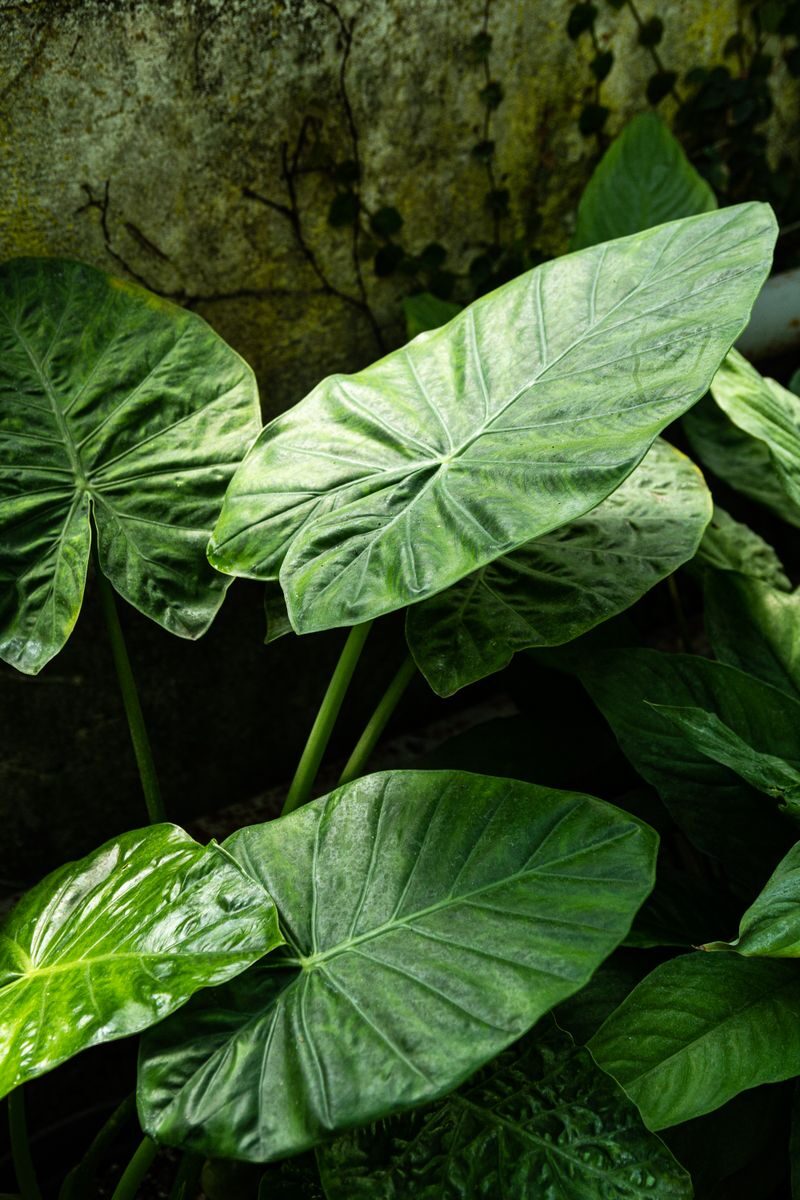
Have you ever walked past a nursery display and stopped in your tracks? A plant with huge, shield-shaped, dark green leaves has that effect. There’s a good chance it was an Alocasia Regal Shield. This hybrid houseplant has become one of the most requested aroids in garden centers across the U.S. You’ll spot it at Home Depot and Lowe’s. Specialty nurseries in Florida and California stock it too. Once you understand what it actually wants, it’s far easier to keep alive than its reputation suggests.
I’ve grown Alocasia Regal Shield for a few years now. It started as a struggling little plant on a dim windowsill. Later, it became a thriving centerpiece once I figured out its real preferences. Along the way, I killed a leaf or two. I overwatered more than once. Eventually, I landed on a routine that consistently produces new leaves nearly twice the size of the last. This guide walks through everything I’ve learned. It’s backed by standard horticultural practice, so you can skip the trial-and-error phase.
What Is Alocasia Regal Shield?
Alocasia Regal Shield is a hybrid cultivar. Growers developed it from Alocasia odora and related species. Its thick, glossy, dark green leaves grow remarkably large indoors when conditions line up. Some Alocasia varieties, like Alocasia Polly or Amazonica, need more delicate handling. Regal Shield tends to be more forgiving and vigorous. That’s part of why it’s become so popular in the U.S. houseplant market over the last few growing seasons.
That said, “more forgiving” doesn’t mean “no effort required.” This is still a tropical aroid at heart. It will let you know when something’s off, usually through drooping, yellowing, or curling leaves.
Light Requirements: Bright, Indirect, Consistent
Alocasia Regal Shield wants bright, indirect light. Not low light, and not scorching direct sun. In its native tropical habitat, it grows under a forest canopy. That means it’s adapted to filtered brightness rather than harsh rays.
For most U.S. homes, an east-facing window works beautifully. It offers gentle morning sun without the intensity of afternoon light. A south or west-facing window can also work. Just keep the plant a few feet back, or add a sheer curtain. Direct afternoon sun will scorch those big leaves quickly, especially in hot climates like Arizona, Texas, or inland California.
Does your home lack great natural light? A simple grow light can make a real difference, especially during the shorter daylight hours of a northern winter. Consistency matters more than intensity here. Aim for at least six hours of bright, indirect light daily. Also, try not to move the plant around too often. Alocasias generally dislike repeated repositioning.
Watering: Consistent Moisture, Never Soggy
Watering is where most people run into trouble. Honestly, it’s where I ran into trouble too. Alocasia Regal Shield likes consistently moist soil. However, it doesn’t tolerate sitting in water at all. Root rot causes most Alocasia deaths.
Here’s a simple rule: water when the top one to two inches of soil feel dry. Depending on your home’s humidity, light levels, and pot size, that might mean watering every five to ten days. Always check the soil directly instead of watering on a fixed schedule. Indoor conditions vary widely from one home to another.
When you water, soak it thoroughly until water drains from the bottom of the pot. Then empty the saucer right away. The roots should never sit in standing water. This is also why drainage holes matter so much for this plant. Does your decorative pot lack one? Keep the plant in a nursery pot with drainage instead, then slip it inside the decorative cover.
Growth naturally slows during winter. Cut back on watering frequency during this time. Overwatering during dormancy invites rot fast.
Humidity: The Secret to Bigger Leaves
Here’s the part that surprised me most. I raised the humidity around my Regal Shield, and new leaves came in noticeably larger and glossier. This plant is native to humid tropical regions. It rewards moisture in the air with vigorous, dramatic growth.
Most American homes sit somewhere between 30 and 40 percent humidity. Winter heating systems make the air even drier. That’s considerably lower than the 60 percent or higher that Alocasias prefer. A few practical ways to close that gap:
- Run a small humidifier near the plant, particularly in drier climates like Colorado, Nevada, or the upper Midwest during winter
- Group it with other houseplants to create a shared humid microclimate
- Set the pot on a pebble tray filled with water, keeping the pot itself above the waterline
- Avoid placing it near heating vents, radiators, or drafty windows
Want to know which humidity tools actually make a measurable difference indoors? Our guide on choosing the best humidifiers for tropical houseplants breaks down the options in more detail.
Soil and Potting Mix
Alocasia Regal Shield needs a mix that holds some moisture while draining quickly. A dense, compact potting soil will suffocate the roots and invite rot. Instead, aim for a chunky, well-aerated blend.
Try this reliable homemade mix: combine standard potting soil with perlite, orchid bark, and a bit of horticultural charcoal. This combination mimics the loose, organic-rich forest floor the plant would naturally grow in. Many growers also add a bit of coco coir. It helps retain moisture without compacting the mix.
Prefer to buy a premade option? Look for bags labeled specifically for aroids or Monstera care. Manufacturers formulate these with similar drainage needs in mind.
Temperature and Seasonal Considerations Across the U.S.
Alocasia Regal Shield thrives between 65 and 85 degrees Fahrenheit. That range lines up comfortably with most indoor U.S. homes year-round. However, it’s genuinely sensitive to cold drafts and sudden temperature swings. A few regional notes are worth mentioning here.
In northern states and colder USDA hardiness zones, keep the plant away from drafty windows in winter. Never let it sit near an entryway where cold air rushes in every time a door opens. Southern states like Florida or coastal California already run warm and humid. This plant can occasionally spend time outdoors on a shaded porch during warmer months there. Just bring it back inside well before any risk of frost.
Alocasias are tropical, so they typically slow down during shorter, cooler days. They enter a light dormancy. Don’t panic if growth pauses over winter. Reduce watering slightly, and hold off on fertilizing. New growth usually resumes with enthusiasm come spring.
Fertilizing for Bigger, Healthier Leaves
Feeding this plant properly makes a visible difference in leaf size. During the active growing season, generally spring through early fall, use a balanced liquid houseplant fertilizer. Dilute it to about half strength, and apply it every four weeks. Alocasias grow fast when happy, so they do appreciate regular feeding. Overdoing it, though, can burn the roots and cause crispy leaf edges.
Skip fertilizing entirely during the dormant winter months. The plant isn’t actively using those nutrients then. Excess fertilizer can build up as harmful salts in the soil instead.
Repotting: When and How
Regal Shield grows quickly under good conditions. Expect to repot it every one to two years. A few signs tell you it’s time: roots visibly circling the pot’s bottom, water running straight through without absorbing, or growth that’s noticeably slowed despite good care.
Choose a new pot only one to two inches larger in diameter than the current one. Going too large at once holds excess moisture around the roots. That increases rot risk. Spring makes the ideal time to repot. The plant is entering its active growth phase then, so it recovers faster.
Common Problems and How to Fix Them
Yellowing Leaves
Yellowing almost always ties back to watering issues, usually overwatering. Check the roots for a mushy, dark appearance. That signals rot. Trim away any affected roots, then repot into fresh, well-draining soil. Adjust your watering habits going forward.
Drooping Leaves
Drooping can mean underwatering. It can also signal recent shock from repotting, cold drafts, or relocation. Check the soil moisture first. Give the plant time to adjust if you moved it recently.
Brown, Crispy Edges
This typically points to low humidity or a buildup of fertilizer salts. Increase humidity around the plant. Also, flush the soil thoroughly with water every few months to clear out mineral buildup.
Pests
Spider mites and mealybugs occasionally show up, especially in drier indoor air. Inspect the undersides of leaves regularly. Treat early infestations with insecticidal soap or neem oil. Reapply every week or two until the pests disappear.
Propagation: Getting More Plants for Free
Alocasia Regal Shield propagates through division rather than cuttings. As the plant matures, it produces offsets at the base of the main stem. Growers often call these pups. Once a pup grows a few of its own leaves and some roots, you can separate it carefully from the parent plant during repotting.
Use a clean, sharp knife to divide the root ball. Make sure each section keeps healthy roots attached. Pot the new division in fresh, well-draining soil. Keep humidity high while it establishes itself over the following weeks.
Where to Find Alocasia Regal Shield in the U.S.
Availability has improved significantly over the past couple of growing seasons. Big box retailers like Home Depot, Lowe’s, and Costco regularly stock Alocasia varieties, including Regal Shield, particularly in spring and summer. Specialty nurseries and independent plant shops in humid regions, such as Florida, Louisiana, and coastal California, often carry larger, more established specimens. Online plant retailers have also expanded shipping options. That makes it easier to get healthy plants delivered safely, even in colder states, as long as you time your order around mild weather.
Choosing a Healthy Plant at the Store
Shopping in person? A few quick checks can save you from bringing home a struggling plant. First, look closely at the leaves. Healthy Regal Shield foliage looks firm, glossy, and evenly colored, without yellow patches or crispy brown tips. Next, tilt the pot gently and peek at the drainage hole. Do you see roots poking out or circling tightly? The plant may already be rootbound and due for repotting soon after purchase.
Check the soil itself too. Does it feel bone dry, or on the other end, waterlogged and soggy? That’s a sign the store hasn’t cared for the plant consistently. Light, evenly moist soil usually signals better care leading up to your purchase. Finally, inspect the undersides of a few leaves. Look for tiny webs, sticky residue, or small moving specks. These are early warning signs of pests hitching a ride home with you.
Once home, resist the urge to repot immediately. Give the plant a week or two to acclimate to your home’s light and humidity first. Then repot only if it’s actually rootbound, or if the current soil is clearly poor quality.
Signs Your Alocasia Regal Shield Is Thriving
It helps to know what success actually looks like. Plant care advice can start to feel abstract otherwise. A genuinely happy Regal Shield tends to push out a new leaf every few weeks during the growing season. Each one looks noticeably larger than the last. The stems should feel firm rather than mushy. The foliage should hold itself upright rather than drooping heavily by midday.
Minimal leaf loss is another good sign. Occasional yellowing of the oldest, lowest leaf is completely normal, since the plant redirects energy toward new growth. Losing multiple leaves at once, though, usually points to a needed care adjustment. When everything lines up, this plant rewards you fairly quickly. Often within a single growing season, you’ll see visibly bigger and glossier leaves than when you brought it home.
Quick Actionable Care Checklist
- Place in bright, indirect light, avoiding harsh direct afternoon sun
- Water only when the top one to two inches of soil are dry
- Keep humidity above 50 percent whenever possible
- Use a chunky, well-draining aroid soil mix
- Feed with diluted balanced fertilizer every four weeks during active growth
- Repot every one to two years in spring
- Watch for early signs of pests on leaf undersides
A Final Word on Growing Confidence, Not Just Plants
Alocasia Regal Shield rewards attentiveness more than perfection. You don’t need a greenhouse or an elaborate setup. Just give it consistent light, thoughtful watering, and a bit of humidity support. University extension programs back this up. The NC State Extension Gardener Toolbox notes that tropical aroids like Alocasia generally perform best indoors when they receive stable warmth, filtered light, and freely draining soil. That guidance lines up closely with what most experienced growers observe in practice.
Give it time. Watch how it responds, and adjust as you go. That’s really the whole secret.
Frequently Asked Questions
Why are the leaves on my Alocasia Regal Shield turning yellow? Overwatering usually causes yellowing leaves, not a lack of water. Check the roots for softness or a rotten smell. Trim away any damaged sections, then let the soil dry out more between waterings going forward.
How often should I water Alocasia Regal Shield? There’s no fixed schedule, since it depends on your home’s humidity, light, and season. As a general guideline, water when the top one to two inches of soil feel dry. That often works out to roughly every five to ten days.
Does Alocasia Regal Shield need direct sunlight? No, it prefers bright, indirect light instead. Direct afternoon sun can scorch its large leaves, especially in warmer states, so choose filtered or morning light instead.
Why is my Alocasia Regal Shield drooping? Drooping usually signals underwatering. It can also mean recent stress from a move, draft, or repotting. Check soil moisture first, then give the plant a week or two to settle if you relocated it recently.
How big can Alocasia Regal Shield leaves actually get indoors? Under good light, consistent watering, and higher humidity, leaves grow quite large indoors. Many mature, healthy plants produce leaves well beyond a foot in length.
Is Alocasia Regal Shield toxic to pets? Yes, like most Alocasia varieties, it contains calcium oxalate crystals. These crystals turn toxic if cats, dogs, or small children chew or ingest them. Keep it out of reach in homes with curious pets.
Why does my Alocasia go dormant in winter? Shorter days and cooler temperatures naturally slow tropical plants like Alocasia. Reduced growth during winter is normal, not a sign of a problem. Simply water less, and skip fertilizer until spring.
What’s the best soil mix for Alocasia Regal Shield? A chunky, well-draining mix works best. Combine regular potting soil with perlite, orchid bark, and a little charcoal. This mimics its natural forest floor habitat while preventing waterlogged roots.