

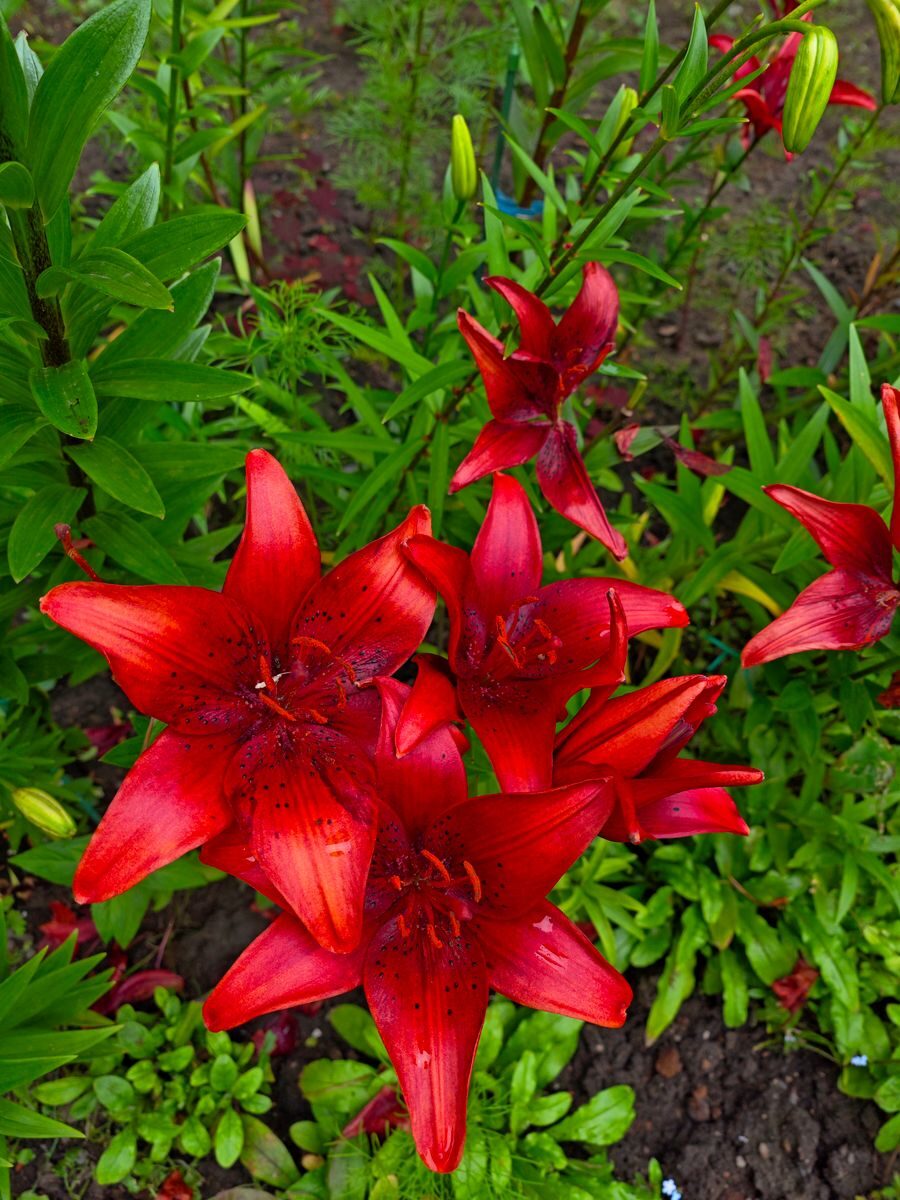
Few flowers make a statement quite like a red lily standing tall in a summer border. The color alone stops people in their tracks. However, red lilies offer far more than good looks. They carry centuries of symbolism, thrive across a surprisingly wide range of American climates, and reward gardeners with reliable, long-lasting blooms year after year.
If you have ever wondered why red lilies show up so often in wedding bouquets, sympathy arrangements, and cottage gardens alike, you are not alone. This guide walks through what these blooms represent, which varieties perform best in US gardens, and exactly how to plant and care for them so they keep coming back stronger every season.
What Red Lilies Symbolize
Red has always been the color of intensity. Consequently, red lilies are often linked to passion, desire, and deep romantic love. Florists frequently include them in anniversary bouquets for this exact reason.
At the same time, red lilies carry a second, quieter meaning. In many cultures, they represent strength, courage, and confidence. Because lilies in general symbolize purity and renewal, a red lily blends that innocence with bold emotional intensity. This combination is why the flower appears in both celebratory and reflective settings, from Valentine’s Day arrangements to memorial displays.
In Victorian flower language, or floriography, red lilies were sometimes given to express admiration without words. Today, that tradition still influences how the flower is marketed and gifted, especially around romantic holidays and milestone anniversaries.
Popular Red Lily Varieties for US Gardens
Not every flower labeled “red lily” is actually a true lily. This distinction matters more than most gardeners realize. True lilies belong to the genus Lilium, while daylilies (Hemerocallis) and canna lilies (Canna) are unrelated plants that simply share a common name. If you want fragrance, upright form, and reliable cold-hardy bulbs, always check that the plant tag reads Lilium.
Here are several red lily varieties that consistently perform well for home gardeners:
Lilium ‘Enchantment’ is one of the most widely available Asiatic hybrids. It produces velvety scarlet blooms with a faint gold throat and a mild honey-like fragrance. Because it typically blooms in its first year when planted by mid-October, it’s an excellent choice for beginners.
Lilium ‘Red Carpet’ grows 24 to 30 inches tall and produces upward-facing crimson flowers with near-black anthers. This variety prefers slightly acidic soil and appreciates a layer of mulch during hot summer stretches above 90°F.
Lilium ‘Beverly Dream’ is a taller Oriental hybrid, reaching up to 4 to 5 feet, with crimson-red petals edged in white. Trials at the Chicago Botanic Garden recorded strong winter survival rates for this variety in Zone 5b, which is reassuring for Midwest gardeners.
Lilium ‘Silk Road’ stands out for its brick-red color and unusual tolerance for urban heat and pollution. Because of this resilience, it has been grown successfully in rooftop gardens in New York City.
Red spider lily (Lycoris radiata), sometimes called the hurricane lily, is technically a different genus but shares the fiery color and dramatic form. It blooms suddenly in late summer or early fall, often before any foliage appears, which is why gardeners in the South nicknamed it the surprise lily.
When shopping, look for retailers that list the full parentage, hardiness zone, and bloom window for each bulb. Reputable specialty bulb nurseries typically provide this information upfront, and that transparency is a good sign you’re buying a true, disease-resistant cultivar rather than a mislabeled imitation.
Where Red Lilies Grow Best Across the US
Most true red lily varieties thrive in USDA Hardiness Zones 3 through 9, which covers the vast majority of the continental United States. That said, regional conditions still shape how well they perform.
In the Northeast and Upper Midwest (Zones 3 to 6), Asiatic hybrids like ‘Enchantment’ and ‘Red Carpet’ handle cold winters well, especially with a protective mulch layer once the ground freezes. Gardeners in Minnesota and Wisconsin have reported success even on balconies and raised beds in Zone 3b.
In the Pacific Northwest, mild summers and consistent moisture suit Oriental hybrids beautifully, though drainage is essential since waterlogged bulbs are prone to rot.
Across the South and Gulf Coast (Zones 7 to 9), red spider lilies naturalize easily and are often associated with the arrival of fall hurricanes, hence their nickname. Meanwhile, true Asiatic and Oriental lilies can struggle with extreme summer heat unless given afternoon shade and heavy mulch.
In Florida and the Deep South, gardeners often lean toward heat-tolerant selections and provide extra water during dry spells, since intense sun can scorch petals quickly.
Before buying bulbs, it’s worth checking your exact zone using the USDA Plant Hardiness Zone Map, since microclimates created by buildings, slopes, or nearby water can shift what actually survives in your yard.
How to Plant Red Lilies Step by Step
Planting red lilies correctly from the start makes a significant difference in bloom quality. Fortunately, the process is straightforward once you understand a few key rules.
- Choose a sunny spot. Red lilies need 6 to 8 hours of direct sunlight daily. Without enough light, stems become weak and lean toward the sun.
- Check your drainage. After a heavy rain, walk your garden and note which areas dry out first. Standing water rots bulbs quickly, so avoid low spots unless you amend the soil generously.
- Prepare the soil. Work in compost, leaf mold, or well-rotted manure to improve structure and drainage. Most red lilies prefer neutral to slightly acidic soil, roughly pH 6.0 to 6.8.
- Plant at the right depth. For standard Lilium bulbs, plant about 6 inches deep, measuring from the soil surface to the top of the bulb. Red spider lily bulbs are the exception, since their necks should sit at or just above the soil line.
- Space bulbs properly. Leave 6 to 8 inches between bulbs so airflow stays healthy and mature clumps have room to spread.
- Water thoroughly after planting. This settles the soil around the bulb and encourages root establishment before winter dormancy.
Fall is generally the best planting window, ideally four weeks before your first expected frost. However, gardeners in regions with harsh winters can also plant in spring, as soon as the soil becomes workable. If you’re planning a broader bulb layout this season, our guide to planning a four-season bulb garden walks through how to sequence lilies with earlier and later bloomers for continuous color.
Caring for Red Lilies Season by Season
Once established, red lilies are relatively low-maintenance. Still, a bit of seasonal attention keeps them blooming vigorously for years.
In spring, watch for new shoots emerging and apply a balanced, low-nitrogen fertilizer to support strong stem and flower development without excessive leafy growth. Avoid piling mulch too close to emerging shoots, since trapped moisture can encourage rot.
During summer, water consistently, especially during dry spells, but avoid letting bulbs sit in soggy soil. Deadhead spent blooms to redirect energy into the bulb rather than seed production. Leave the foliage intact after flowering, though, because those leaves continue feeding the bulb for next year’s display.
In fall, cut back yellowing foliage once it has fully died back naturally. This is also the ideal time to divide overcrowded clumps, since lilies multiply readily and can become congested after three or four seasons.
In winter, apply a protective mulch layer in colder zones, particularly Zone 5 and below. This step matters most for young bulbs still establishing their root systems.
Common Problems and How to Fix Them
Even hardy red lilies occasionally run into trouble. Recognizing the signs early prevents small issues from becoming garden-wide problems.
Bulb rot typically stems from poor drainage. If stems flop or leaves yellow prematurely, check the bulb; a mushy, foul-smelling bulb should be removed and discarded, and the planting site should be amended before replanting.
Red lily beetle, an invasive pest now found throughout much of the Northeast and expanding westward, chews through leaves and can defoliate plants quickly. Handpicking adults and larvae in early morning, when they’re sluggish, remains one of the most effective organic controls.
Botrytis blight appears as brown spots on leaves during humid, wet weather. Improving air circulation between plants and avoiding overhead watering usually resolves the issue.
Faded or bleached color in full sun often affects poorly bred “red” hybrids sold without a proper cultivar name. This is another reason it pays to buy verified varieties from reputable nurseries rather than generic bulk bins.
Design Ideas for Red Lilies in Your Garden
Red lilies pair beautifully with silver-toned foliage plants like artemisia or dusty miller, since the contrast makes the red pop even more. They also look striking alongside white or soft pink perennials, which tone down the intensity without competing for attention.
For cutting gardens, red lilies make long-lasting bouquets. In fact, many florists rank them among the best cut flowers available, since blooms can last one to two weeks in a vase with fresh water changes.
If you’re building a broader bulb display, consider pairing your red lilies with spring bloomers like daffodils and crocuses. According to the Old Farmer’s Almanac, blending early-blooming, mid-season, and late-blooming lily varieties allows gardeners to enjoy colorful blooms from spring through the first frost, which is a smart way to extend color throughout the growing season.
FAQ: Common Questions About Red Lilies
Do red lilies come back every year? Yes, true Lilium varieties are perennial bulbs and will return annually as long as they’re planted in well-drained soil and given adequate sunlight. Most gardeners can expect blooms for many years without needing to replant.
Are red lilies toxic to pets? True lilies are highly toxic to cats and dogs, and even small amounts of pollen or leaf material can cause serious kidney damage in cats specifically. If you have curious pets, consider container planting in an inaccessible area or choosing pet-safe alternatives instead.
What is the difference between a red lily and a red daylily? True lilies grow from scaly bulbs, produce fragrant trumpet-shaped blooms on tall stems, and belong to the genus Lilium. Daylilies, by contrast, grow from fibrous roots, lack fragrance in most varieties, and belong to an entirely different genus, Hemerocallis.
When is the best time to plant red lily bulbs? Fall planting, roughly four weeks before your first frost date, gives bulbs time to establish roots before winter. Spring planting works too, particularly in colder regions where the ground stays frozen well into the season.
Why didn’t my red lily bloom this year? The most common causes are insufficient sunlight, bulbs planted too shallow or too deep, or overcrowding from several years without division. Checking these three factors usually resolves the issue by the following season.
How long do red lily blooms last? Individual flowers typically last 1 to 2 weeks on the plant, and because each stem produces multiple buds that open in sequence, the overall bloom period can stretch several weeks.
Can red lilies grow in containers? Yes, many dwarf varieties are specifically bred for container life. Choose a pot at least 12 inches in diameter and 14 inches deep to give the bulb enough room to develop a healthy root system.
What do red lilies symbolize in a bouquet? Red lilies generally represent passion, romantic love, and confidence, making them a popular choice for anniversaries and romantic occasions, though they also appear in sympathy arrangements to convey deep respect.
Final Thoughts
Red lilies bring drama, symbolism, and remarkable resilience to American gardens, from Minnesota balconies to Florida raised beds. Whether you’re drawn to the bold romance of ‘Enchantment,’ the towering presence of ‘Beverly Dream,’ or the late-summer surprise of red spider lilies, there’s a variety suited to nearly every US climate. With the right planting depth, adequate sun, and a bit of seasonal attention, these blooms will reward you with vibrant color for many summers to come.