

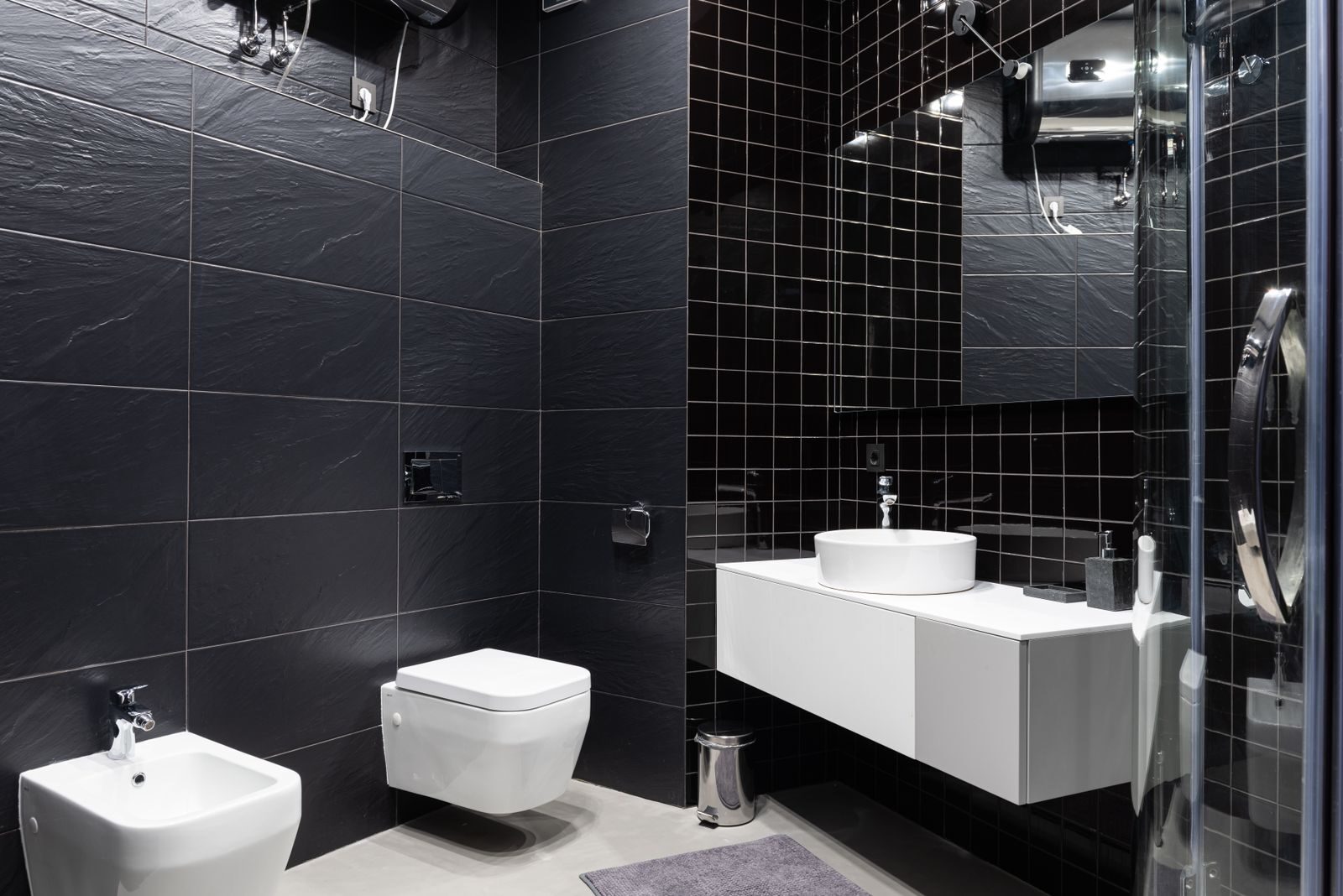
If you’re remodeling a bathroom this year, a wall hung toilet has probably caught your eye. These floating fixtures moved from luxury showrooms into everyday American homes. It’s easy to see why. They save floor space. They look sleek and they also make cleaning far less of a chore. However, they come with a few quirks that most floor-mounted toilet buyers never think about.
I’ve spent years working alongside contractors and plumbers on bathroom renovations across the country. Wall hung toilets are one of the most requested upgrades I see in 2026. That said, they’re not automatically right for every home. This guide walks through the top picks on the market right now. It also covers everything you need to know before you commit to one.
Why Wall Hung Toilets Are Having a Moment in 2026
Space is at a premium in most American homes. This is especially true in cities like New York, Chicago, and San Francisco, where powder rooms can be tiny. Consequently, homeowners want fixtures that free up floor space without sacrificing comfort. Wall hung toilets do exactly that.
The tank sits inside the wall instead of behind the bowl. This gives you roughly 8 to 10 inches of extra floor space. That might not sound like much. In a small bathroom, though, it changes everything. Additionally, the bowl floats above the floor. Cleaning underneath becomes as simple as a quick sweep or mop pass, with no awkward crevices to scrub.
There’s also a wellness and accessibility angle driving demand. Many manufacturers now offer adjustable installation heights. This means the same toilet can sit higher for aging-in-place bathrooms or standard height for a family bath. As a result, more contractors recommend wall hung models for clients planning to stay in their homes long-term. Some call this “universal design” renovation.
Finally, minimalist and spa-inspired bathroom design continues to trend across the US in 2026. Floating vanities, curbless showers, and now wall hung toilets all add to that clean, uncluttered look. Buyers and real estate agents alike tend to favor it.
How Wall Hung Toilets Actually Work
Before we get to specific picks, let’s cover the mechanics. This affects both cost and installation complexity.
A wall hung toilet has three main parts. First, there’s the visible ceramic bowl. Second, a concealed in-wall tank and carrier system. Third, a flush actuator plate mounted on the wall. The carrier is a heavy-duty steel frame. Installers bolt it to the wall studs and floor before the drywall goes up. It holds the tank, supports the weight of the bowl, and connects to your home’s existing plumbing.
Here’s the important part: the carrier system essentially becomes part of your wall’s structure. Once the drywall and tile go up, repairing it means opening the wall again. That’s why the installation has to go right the first time. This matters more with wall hung toilets than with standard models.
Most carrier systems on the market today hold between 300 and 500 kilograms. That’s more than enough for typical household use. Brands like Geberit, Kohler, and TOTO all make universal carriers. These work with a wide range of bowl designs, so you won’t always get locked into one manufacturer’s ecosystem.
Top Wall Hung Toilet Picks for 2026
Here’s a breakdown of the best options by category. I based these picks on current market performance, customer feedback trends, and overall value for US homeowners.
Best Overall Value: Swiss Madison Ivy
For most buyers, the Swiss Madison Ivy remains one of the strongest all-around choices in 2026. It’s priced under $200 for the bowl alone. That’s a fraction of what European competitors charge. The elongated bowl shape offers comfortable seating for most adults. The rimless design also cuts down on hidden bacteria traps. Are you outfitting a guest bathroom or a rental property? This is a smart starting point if you want the wall hung look without the premium price tag.
Best for Small Bathrooms: Compact Elongated Models
Does your powder room run tight on space? Look for compact wall hung bowls with shorter projection depths. These models measure a few inches shorter front-to-back than standard elongated bowls. Still, they offer more comfort than a round bowl. Several brands, including Swiss Madison and Kohler, now sell compact wall hung options built for half baths and tiny home bathrooms. This category has grown fast across the US.
Best Mid-Range Pick: Kohler Veil Series
Kohler’s Veil line strikes a nice balance between price and design polish. The bowls use vitreous china construction. This material resists staining and holds up well over decades of use. The mounting hardware stays completely hidden, so you get a seamless, sculptural look. It photographs beautifully for real estate listings, too. Keep in mind that Kohler’s system needs their proprietary in-wall tank and carrier, plus a matching flush actuator plate. Budget for the full package, not just the bowl.
Best Premium Pick: Duravit DuraStyle
Does your budget allow for it? The Duravit DuraStyle brings genuine European engineering to the table. Its rimless bowl technology reduces splashing and simplifies cleaning even further than standard wall hung models. Duravit has built a strong reputation among architects and interior designers, and for good reason. The fit and finish feel noticeably more refined. The brand also backs its products with decades of manufacturing experience in the plumbing fixture space.
Best Smart Toilet Option: TOTO Washlet Wall Hung Series
Smart toilets have fully entered the mainstream in 2026. TOTO’s wall hung Washlet models lead that charge. These combine a floating bowl design with built-in bidet functionality, heated seating, warm air drying, and self-cleaning wands. For homeowners upgrading a primary suite bathroom, this category delivers a genuinely spa-like daily experience. Just know that pricing climbs quickly here. It often reaches into the thousands once you add the compatible in-wall tank system.
Best Luxury Splurge: American Standard DXV or TOTO Neorest
At the very top of the market, brands like DXV (American Standard’s luxury division) and TOTO’s Neorest line offer near-appliance-level engineering. These systems often include auto-flush, ambient lighting, and app-based controls. They’re expensive. Some run well into five figures once fully installed. But for a primary bath renovation meant to last 15 to 20 years, some homeowners see it as a worthwhile investment in daily comfort.
What to Consider Before Buying
Choosing a wall hung toilet isn’t just about picking a bowl you like. Several practical factors shape whether the installation goes smoothly. They also affect whether the toilet performs well for years to come.
Wall depth and structural support. Most wall hung systems need at least 6 to 8 inches of wall cavity depth. This fits the carrier and tank. Do you have an existing exterior wall or plumbing already routed a certain way? A licensed plumber needs to verify there’s enough room before you order anything.
Weight capacity. Look for carrier systems rated for at least 300 kilograms. This matters especially in households with larger family members or frequent guests. Reputable manufacturers publish these ratings clearly. Don’t be shy about asking your contractor to confirm the spec sheet.
Local plumbing codes. Building codes vary by state and even by municipality across the US. Wall hung toilet installations sometimes need permits, particularly if you’re altering wall framing or moving plumbing lines. Check with your local building department before demolition begins. Skipping this step can create headaches during a future home sale.
Water efficiency. Many wall hung models now qualify for EPA WaterSense certification. This means they use 1.28 gallons per flush or less while still performing well. Does reducing water usage matter to you? Does your municipality offer rebates for low-flow fixtures? Confirm this before purchase.
Bowl shape and comfort. Elongated bowls generally offer more comfort for adults. Compact elongated or round bowls work better in tighter spaces. Is accessibility a concern? Comfort-height installation can make a meaningful difference for older family members or anyone with mobility limitations. Our team covered this in detail in our guide to choosing the right toilet height for your household.
Installation and Cost Breakdown for US Homeowners
Wall hung toilets cost more upfront than floor-mounted models. It helps to go in with realistic expectations.
On average, a complete installation runs between $800 and $2,000. The final number depends on the brand and complexity. That figure typically covers the bowl itself, at $200 to $800, the in-wall carrier system at $150 to $400, and the flush actuator plate at $50 to $200. Professional labor usually adds $400 to $800 in most US markets.
Budget installations tend to land in the $800 to $1,200 range. Mid-tier setups run $1,200 to $1,600. Premium and smart toilet installations frequently exceed $1,600. That number climbs even higher once you add luxury bidet features.
Labor costs also vary by region. Homeowners in major metro areas like Los Angeles, Boston, or Seattle should expect the higher end of that labor range. Smaller markets in the Midwest or South often come in lower. Either way, we strongly recommend professional installation. Installers must place the carrier correctly before the wall gets finished. Mistakes discovered later cost more to fix and disrupt your whole bathroom.
Are you comfortable with plumbing work? DIY installation can save $400 to $800 in labor. That said, most plumbers advise against a full DIY approach unless you have real experience with in-wall systems. Even small measurement errors can cause leaks or instability down the road.
Regional Considerations Across the US
Where you live can quietly shape your wall hung toilet experience. In colder climates like the Midwest and Northeast, in-wall tanks sit inside exterior or interior walls. Proper insulation matters here. It prevents condensation and, in rare cases, freezing in unheated spaces like garages or three-season porches.
Meanwhile, homeowners in the Southwest and parts of the South often deal with hard water. Plan for more frequent descaling of internal flush valves. This prevents mineral buildup from shortening component life.
Coastal states with strict water conservation rules, including California and parts of the Pacific Northwest, often favor or require WaterSense-certified fixtures in new construction and major remodels. Before you finalize a purchase, call your local building department or a licensed plumber. Confirm what your specific city or county requires, since rules can differ even between neighboring towns.
How Long Do Wall Hung Toilets Last?
Longevity is one of the most reassuring parts of this category. The ceramic bowl itself can last 50 years or more with basic care. That’s similar to any high-quality porcelain fixture. The steel carrier frame typically lasts 20 to 30 years. Internal flush mechanisms usually need service or replacement every 10 to 15 years. That’s comparable to the tank components in a standard floor-mounted toilet.
In other words, a wall hung toilet is a long-term investment, not a short-term upgrade. Once installers set it up correctly, it should serve your household reliably for decades. That makes the higher upfront cost easier to justify over time.
Maintenance Tips to Keep Your Wall Hung Toilet Running Smoothly
Routine care for a wall hung toilet isn’t dramatically different from a standard model. A few extra habits help protect your investment, though.
First, clean the bowl regularly with a non-abrasive cleaner. This preserves the glaze finish, since scratches make future stains harder to remove. Next, avoid flushing wipes, feminine hygiene products, or paper towels, even ones labeled “flushable.” These items clog the narrower internal pathways of concealed tank systems more easily than a traditional tank.
Check the flush actuator plate now and then for looseness or sticking. Address it promptly. This is usually the first sign of an internal mechanism issue. Finally, schedule a professional inspection every few years. This matters most if your home sits in an area with hard water, since minerals build up faster inside the flush valve.
Final Thoughts
Wall hung toilets have earned their popularity in 2026, and for good reason. They save space. They simplify cleaning and they bring a modern look that few floor-mounted models can match. That said, the higher upfront cost and installation complexity mean this isn’t a purely impulsive purchase.
Do you want the best all-around value? The Swiss Madison Ivy remains a smart, affordable entry point. Do design and hygiene top your priority list? The Duravit DuraStyle delivers genuine premium quality. Are you ready to invest in a daily luxury experience? TOTO’s Washlet and Neorest lines offer some of the most advanced bathroom technology available today. Whichever direction you choose, work with a licensed plumber who knows in-wall carrier systems. That choice makes all the difference between a smooth installation and a costly headache.
Frequently Asked Questions
Are wall hung toilets worth the extra cost? For many homeowners, yes. They typically cost $500 to $1,200 more than floor-mounted toilets. However, they save valuable floor space, simplify cleaning, and often last just as long when installed and maintained properly.
Do wall hung toilets leak more than regular toilets? Not when installers set them up correctly. Most leaks trace back to installation errors, not the design itself. Choosing an experienced, licensed plumber cuts this risk significantly.
Can you install a wall hung toilet yourself? It’s possible if you have solid plumbing experience. Doing so can save $400 to $800 in labor costs. However, we strongly recommend professional installation, since the carrier system must sit in the right position before the wall gets finished.
How much weight can a wall hung toilet support? Most modern carrier systems hold between 300 and 500 kilograms. That comfortably covers the needs of nearly every household.
Do wall hung toilets need special maintenance? Not dramatically. Routine cleaning, avoiding flushable wipes, and periodic professional inspections usually keep the system running well for many years.
What’s the average lifespan of a wall hung toilet? The ceramic bowl can last 50 years or more. The carrier frame typically lasts 20 to 30 years. Internal flush mechanisms generally need attention every 10 to 15 years.
Are wall hung toilets a good fit for small bathrooms? Absolutely. The tank sits inside the wall, so wall hung toilets free up 8 to 10 inches of floor space. That makes them especially popular for powder rooms and compact half baths across the US.
Do wall hung toilets qualify for water-efficiency rebates? Many models do. Look for EPA WaterSense certification, which confirms a toilet uses 1.28 gallons per flush or less while still performing well. Check with your local water utility, since some US municipalities offer rebates for qualifying low-flow fixtures.