

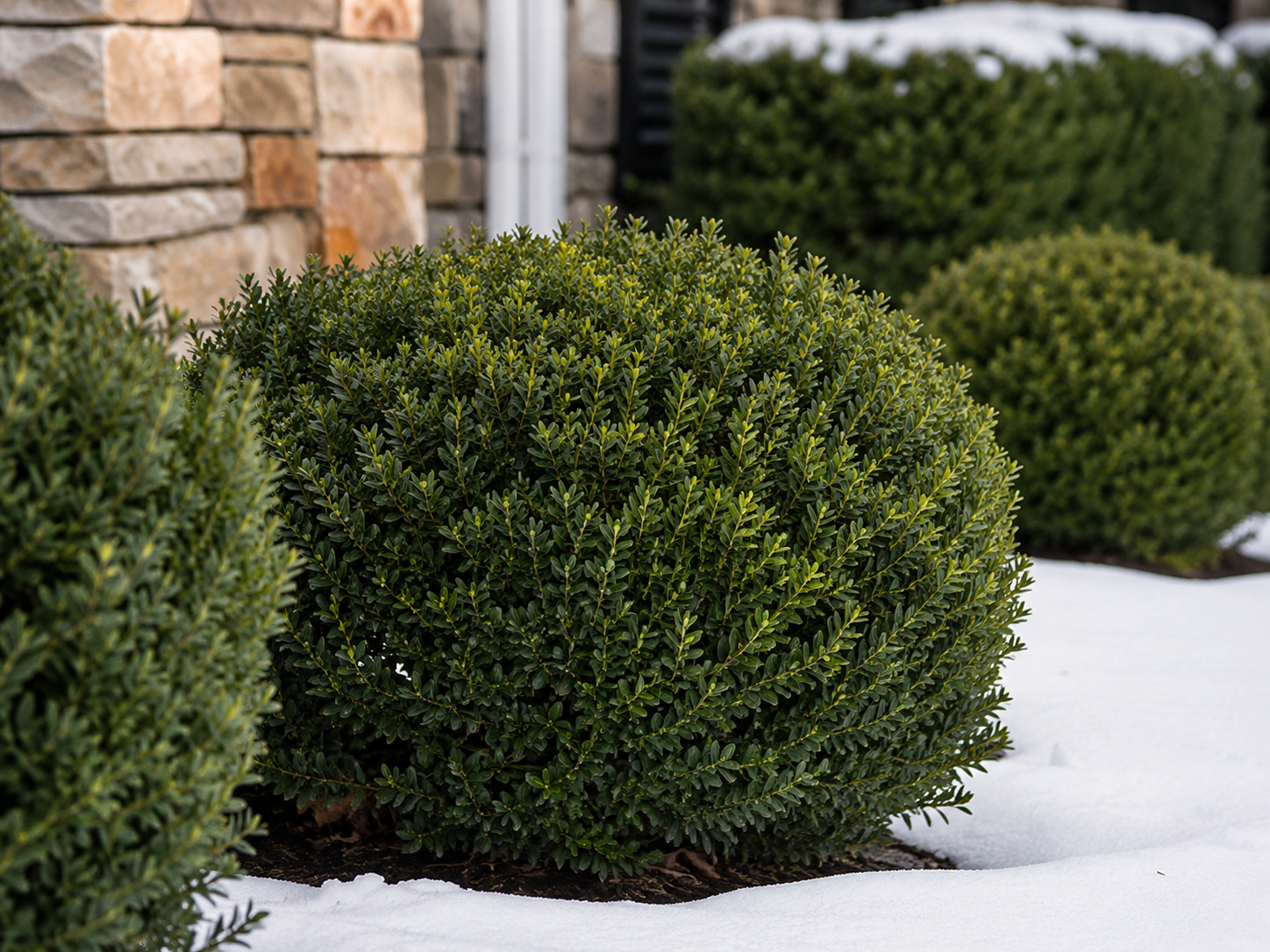
Winter Gem boxwood stands out as one of the most reliable evergreen shrubs for American gardens. Homeowners from the Northeast to the Midwest and beyond choose it for its compact shape, rich green color, and solid cold hardiness. As of July 2026, this cultivar remains a top pick for low hedges, foundation plantings, and formal borders.
This guide walks you through everything you need to know. You will learn what makes Winter Gem special, how to plant it correctly, and the best ways to keep it healthy year after year. Practical tips based on real garden experience appear throughout.
What Is Winter Gem Boxwood?
Winter Gem belongs to the Japanese boxwood group. Its full botanical name is Buxus microphylla var. japonica ‘Winter Gem’. The plant grows as a rounded evergreen shrub. Leaves stay small and glossy. New growth often starts lime green before deepening into a rich dark green.
Most mature plants reach 4 to 6 feet tall and wide if left unpruned. Growth stays moderate. You can expect about 3 to 6 inches of new growth each year under good conditions. The habit stays naturally dense and mounded. That density makes the shrub ideal for shearing into neat shapes.
Winter color sets this cultivar apart. In colder zones the foliage may take on a slight golden-bronze tone during deep freezes. However, it greens up quickly once spring arrives. Many other boxwoods hold duller winter color for longer. Therefore, Winter Gem often looks fresher through the colder months.
USDA hardiness zones range from 5 to 9. That range covers a wide swath of the United States. Gardeners in New England, the Mid-Atlantic, the upper South, and much of the Midwest can grow it with confidence. In zone 5 it handles typical winter lows when given some protection from harsh winds.
Deer and rabbits usually leave it alone. That resistance helps in rural and suburban yards where browsing animals cause problems.
Key Benefits of Winter Gem Boxwood
First, the plant delivers year-round structure. Evergreen foliage provides color when many other shrubs stand bare. As a result, your landscape keeps looking intentional even in January.
Second, it tolerates shearing well. You can shape it into formal hedges, balls, or cones. Many formal gardens rely on it for clean lines.
Third, the size stays manageable. Unlike larger English boxwoods, Winter Gem rarely outgrows its space quickly. Homeowners with smaller lots appreciate that trait.
Fourth, it adapts to both full sun and partial shade. In hotter southern parts of its range, afternoon shade helps prevent leaf scorch. In cooler northern areas, full sun produces the densest growth.
Fifth, the shrub works in many design styles. It suits classic colonial gardens, modern minimalist borders, and cottage plantings alike. Against red brick or stone, the deep green foliage looks especially sharp.
Finally, once established, it needs relatively little fuss. Regular water during the first two years matters most. After that, the plant becomes quite self-sufficient in average garden soil.
Choosing the Right Spot in Your Yard
Light matters. Aim for full sun to partial shade. In the upper South and warmer Mid-Atlantic areas, morning sun with afternoon shade often works best. Farther north, full sun usually produces tighter growth.
Soil needs good drainage. Boxwoods hate wet feet. Heavy clay that stays soggy after rain can lead to root problems. Therefore, amend poor soil with compost before planting. Slightly acidic to neutral pH suits the plant well.
Air circulation helps prevent disease. Avoid packing plants too tightly against walls or fences. Leave room for air to move through the foliage.
In colder zone 5 locations, choose a site protected from strong winter winds. A spot near a building or fence often provides that shelter. Mulch also helps moderate soil temperature swings.
Consider the mature size. Even though Winter Gem stays compact compared with some boxwoods, it still needs space to reach 4 to 6 feet. Plan accordingly when placing it near walkways or windows.
Step-by-Step Planting Guide
Timing makes a difference. Spring and early fall give the best results across most of the United States. In colder zones, spring planting allows roots to establish before winter. In milder areas, fall planting works well too.
Dig a hole twice as wide as the root ball and just as deep. The top of the root ball should sit level with or slightly above the surrounding soil. Planting too deep invites problems.
Gently loosen circling roots if the plant came from a container. Then set it in place. Backfill with the native soil mixed with compost. Water thoroughly right after planting.
Space plants according to your goal. For a dense hedge, place them 2 to 3 feet apart. For individual specimens, give each one more room.
Mulch with 2 to 3 inches of shredded bark or leaf mold. Keep the mulch a few inches away from the stems. This layer holds moisture and cools the roots in summer.
Water deeply once or twice a week during the first growing season. Let the top few inches of soil dry slightly between waterings. After the first year, reduce frequency unless drought hits.
Ongoing Care Through the Seasons
Water remains important even after establishment. During dry spells, give the plant a deep soak. Shallow frequent watering encourages weak roots. Therefore, water less often but more thoroughly.
Fertilize lightly in early spring. A balanced slow-release formula or compost works well. Avoid heavy nitrogen that pushes soft growth vulnerable to winter damage.
Prune in late winter or early spring before new growth starts. You can also tip-prune lightly after the spring flush. Avoid heavy shearing in late summer. Soft new growth needs time to harden before cold weather.
In colder regions, consider anti-desiccant sprays in late fall. These products help reduce winter moisture loss from the leaves. A simple burlap screen on the windward side also protects exposed plants.
Watch for pests. Boxwood leafminer and spider mites appear from time to time. Healthy plants resist them better. Good air flow and proper watering reduce stress that invites insects.
Boxwood blight remains a concern for all boxwoods. Winter Gem shows better resistance than some older English types. Still, avoid overhead watering when possible. Clean tools between plants. Remove any fallen leaves that collect at the base. Early detection and good sanitation keep problems in check.
Common Problems and How to Solve Them
Yellow leaves often signal poor drainage or overwatering. Check the soil moisture and improve drainage if needed.
Bronze winter color is normal in cold zones. The plant usually greens up fast in spring. Severe browning may point to winter burn from wind or sun. Protection helps prevent it next year.
Sparse growth usually comes from too much shade or lack of pruning. Move the plant if possible or open the canopy of nearby trees. Regular light shearing encourages denser branching.
Root rot appears in constantly wet soil. Prevention works better than cure. Choose well-drained sites from the start.
Design Ideas for American Gardens
Use Winter Gem for low formal hedges along walkways or driveways. In New England colonial-style homes, it pairs beautifully with brick paths and white fences.
Foundation plantings benefit from its neat habit. Place several plants in a staggered row to soften the base of the house. The evergreen color looks good against both wood siding and masonry.
Containers work well for smaller specimens. A pair of clipped Winter Gem plants framing a front door creates classic curb appeal. In colder zones, move pots to a sheltered spot for winter or plant them in the ground after a few seasons.
Mix them with flowering perennials for contrast. Coneflowers, daylilies, and ornamental grasses look lively against the solid green backdrop. In partial shade, pair them with hostas or ferns.
For privacy screens, plant a taller row and allow the shrubs to grow to their full size. The dense foliage blocks views effectively once mature.
Regional Tips Across the United States
In the Northeast and upper Midwest, winter protection pays off. Mulch heavily and shield plants from northwest winds. Snow cover actually helps insulate the roots.
In the Mid-Atlantic, watch for summer heat stress. Afternoon shade and consistent moisture keep the foliage looking its best.
Across the South within zones 7 to 9, provide afternoon shade and excellent drainage. Humidity can increase disease pressure, so good air circulation becomes even more important.
In the Pacific Northwest, the mild climate suits boxwoods well. However, wet winters demand raised beds or amended soil to prevent root issues.
Wherever you garden, local extension offices often share the latest advice on boxwood health. Check their resources for region-specific pest alerts.
For more ideas on evergreen shrubs that pair well with boxwood, see our related guide low-maintenance-foundation-plants.
You can also review detailed growing information from a trusted high-authority source at Monrovia.
Long-Term Success Tips
Start with healthy nursery stock. Look for plants with dense foliage and no signs of leaf spots or stem cankers.
Plant at the right depth and water consistently the first two years. Most failures happen during establishment.
Prune with sharp tools and remove debris. Cleanliness reduces disease risk.
Monitor the plant each season. Early action on pests or stress keeps small issues from becoming big ones.
With these habits, Winter Gem boxwood can thrive for decades. Many gardens feature mature specimens that still look tidy and green after 15 or 20 years.
Final Thoughts
Winter Gem boxwood earns its popularity for good reason. It combines cold hardiness, attractive foliage, and versatile size in one package. American gardeners from zone 5 southward can count on it for structure and color through every season.
Plant it correctly, give it decent drainage, and provide basic seasonal care. In return, you gain a reliable evergreen that elevates both formal and casual landscapes. Whether you need a neat hedge or a simple foundation accent, this cultivar delivers lasting results with modest effort.
Frequently Asked Questions
What USDA zones does Winter Gem boxwood grow in?
It thrives in zones 5 through 9. That covers most of the eastern and central United States and parts of the West.
How big does Winter Gem boxwood get?
Mature plants usually reach 4 to 6 feet tall and wide. Regular pruning keeps them smaller if desired.
Does Winter Gem stay green in winter?
It holds good color better than many boxwoods. In cold areas it may bronze slightly, yet it greens up quickly in spring.
How often should I water a new Winter Gem plant?
Water deeply once or twice a week during the first growing season. After establishment, water mainly during dry spells.
Is Winter Gem resistant to deer?
Yes. Deer and rabbits generally avoid it, making it useful in areas with browsing pressure.
When is the best time to prune Winter Gem boxwood?
Late winter or early spring works best. Light shaping after the spring growth flush is also fine.
Can Winter Gem boxwood grow in full shade?
It prefers full sun to partial shade. Deep shade produces thinner growth and less density.
How far apart should I plant Winter Gem for a hedge?
Space them 2 to 3 feet apart for a solid low hedge. Closer spacing fills in faster but needs more frequent pruning.