

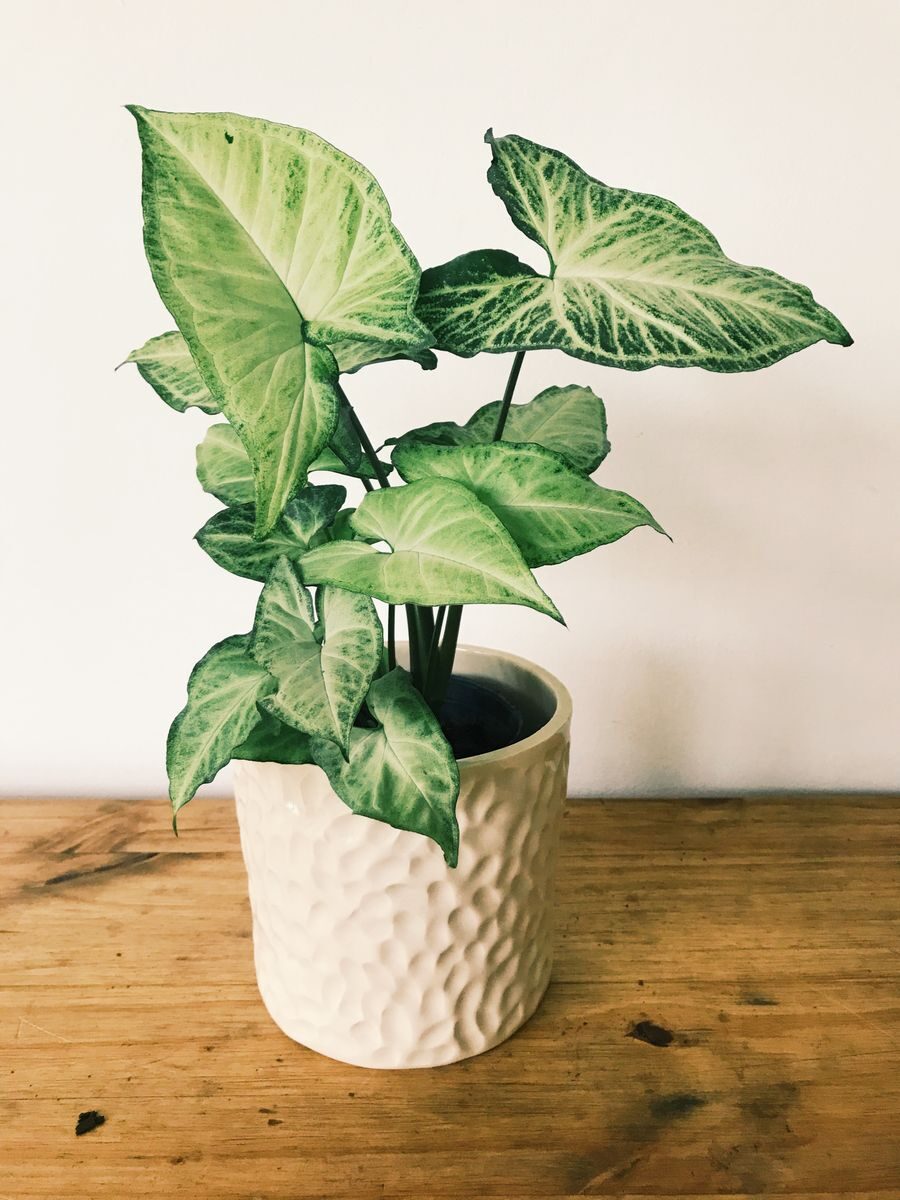
If you have scrolled through plant forums lately, you have probably seen the Syngonium Albo Variegata everywhere. This variegated arrowhead plant has become one of the most requested houseplants in the United States, and honestly, it earns the hype. I have grown several of these in my own plant room, and once you understand its quirks, it settles into a genuinely low-drama plant. That said, its white variegation does need a bit more attention than a plain green Syngonium, so this guide walks through everything you need in July 2026, from light and watering to pests, propagation, and buying tips for US growers.
What Is Syngonium Albo Variegata?
Syngonium Albo Variegata, also called Syngonium podophyllum albo-variegatum, is a climbing aroid native to the tropical rainforests of Central and South America. In the wild, it grows up the base of large trees, which is why it naturally wants to climb rather than stay compact. Its signature feature is the marbled variegation, where patches of white appear alongside deep green on each arrow-shaped leaf. Because those white sections lack chlorophyll, they cannot photosynthesize on their own, which means the rest of the leaf has to work harder. That single fact explains most of the care rules in this guide, so keep it in mind as we go.
Unlike the fully white Monstera Albo, the Syngonium Albo tends to hold its variegation a little more reliably, though it is still not guaranteed. Some cuttings arrive with heavy white marbling, while others lean more green. Genetics play the biggest role here, but light, pruning, and overall plant health can influence how much white shows up on new growth.
Light Requirements for Healthy Variegation
Light is the single most important factor for keeping your Syngonium Albo looking sharp. Bright, indirect light encourages strong, even variegation, while low light causes the plant to produce more solid green leaves as a survival strategy. In other words, if your plant starts reverting to green, low light is usually the culprit.
A north or east-facing window works beautifully in most US homes, since morning light is gentler and will not scorch the delicate white patches. If you only have south or west-facing windows, which is common in homes across the Sun Belt states like Arizona, Texas, and Florida, place the plant a few feet back or filter the light with a sheer curtain. Direct midday sun will burn the white sections first because they have no chlorophyll to protect themselves, so this is one mistake worth avoiding.
For growers in the Pacific Northwest or the Northeast, where natural light drops significantly in winter, a simple LED grow light can make a real difference. Running a grow light for 10 to 12 hours during the darker months helps maintain steady growth and prevents that leggy, stretched-out look that so many indoor plants develop between November and February.
Watering Tips That Actually Work
Overwatering is, without question, the number one way people accidentally kill this plant. Syngonium Albo prefers to dry out slightly between waterings, so check the top one to two inches of soil before reaching for the watering can. If it still feels damp, wait a few more days.
Because tap water quality varies so much across the country, it is worth knowing your local water. Homes on well water in the Midwest often have harder water with more mineral buildup, which can eventually cause white crust on the soil surface or leaf tip browning. If you notice this, flushing the pot thoroughly with distilled or filtered water every couple of months helps prevent mineral accumulation. Meanwhile, growers in humid Gulf Coast cities may need to water less frequently overall, since the ambient moisture keeps soil from drying out as fast.
As a general rule, water thoroughly until it drains from the bottom of the pot, then let the excess drain away completely. Never let the pot sit in standing water, since that is a fast track to root rot. During winter, when growth naturally slows down, cut back watering frequency by roughly a third, and always let the soil dry out a bit more between sessions.
Soil and Potting Essentials
A well-draining, chunky mix is essential for this plant’s roots to breathe. A standard houseplant potting soil straight from the bag is usually too dense and holds too much water, so amending it makes a noticeable difference. Try mixing regular potting soil with perlite, orchid bark, and a bit of coconut coir at roughly a 2:1:1 ratio. This combination mimics the loose, organic forest floor the plant would naturally grow in.
Choose a pot with drainage holes, always, since this is non-negotiable for aroids prone to root rot. Terracotta pots are a smart choice because the porous material wicks away excess moisture, which is especially helpful if you tend to water on the generous side. Repot every one to two years, ideally in spring when the plant is entering its most active growth phase.
Humidity and Temperature Needs
Syngonium Albo thrives in humidity between 50 and 70 percent, though it can tolerate lower levels if the rest of its care is dialed in. Homes with central heating, particularly during harsh Midwest and Northeast winters, often drop well below 30 percent humidity, and that is when you will start seeing crispy brown edges on the white leaf sections. A small humidifier placed nearby solves this problem quickly, and grouping plants together also raises the local humidity naturally.
Temperature-wise, aim for a range between 65 and 80 degrees Fahrenheit. This plant has zero tolerance for frost and should never sit near a drafty window or an air conditioning vent, since sudden temperature swings stress it out fast. Outdoors, it only survives year-round in USDA hardiness zones 10 through 12, which basically limits true outdoor cultivation to South Florida, coastal Southern California, and Hawaii. Everywhere else in the US, this plant should live indoors as a houseplant, though it can enjoy a summer vacation on a shaded porch once nighttime temperatures stay reliably above 60 degrees.
Feeding Your Syngonium Albo
During the growing season, which generally runs from March through September across most of the US, feed your Syngonium Albo every four weeks with a balanced liquid houseplant fertilizer diluted to half strength. Overfeeding tends to cause more harm than underfeeding, so it is smart to err on the side of less. Once fall arrives and growth slows, pause fertilizing entirely until spring returns.
If you prefer a slow-release option, a granular fertilizer applied every three months works well too, and it takes the guesswork out of timing. Either approach is fine, so pick whichever fits your routine.
Pruning and Training for a Fuller Plant
Left alone, this plant will happily vine and trail for several feet, which looks gorgeous cascading from a hanging basket. However, if you want a bushier, fuller shape, pinch back the growing tips every so often. This encourages the plant to branch out rather than just grow one long vine.
Additionally, since this is naturally a climbing aroid, giving it a moss pole or trellis to grow up will actually produce larger, more mature leaves over time. Juvenile leaves on unsupported vines tend to stay small, so if you have noticed your plant’s leaves plateauing in size, a support structure is often the fix. It is also worth trimming away any stems that revert to solid green, since removing them redirects the plant’s energy toward variegated growth instead.
Propagation Made Simple
Propagating Syngonium Albo is refreshingly beginner-friendly, which is part of why it has become such a popular plant to trade among US collectors. Take a stem cutting that includes at least one node, since roots only form at these points. Place the cutting in a jar of water, and within two to three weeks you should see small white roots emerging.
Once the roots reach about an inch or two long, pot the cutting into your well-draining soil mix. Alternatively, you can skip the water step entirely and plant the cutting directly into slightly moist soil, though this method takes a little more patience and consistent humidity to succeed. Either way, keep new cuttings out of direct sun while they establish, since they are especially vulnerable during this early stage.
Common Problems and How to Fix Them
Yellowing leaves almost always point to overwatering, so if you spot this, check the roots for any mushy, brown sections and trim them away before repotting into fresh, dry soil. Brown, crispy edges, on the other hand, usually signal low humidity or inconsistent watering, and this shows up most often on the delicate white portions of the leaves first.
Losing variegation, meaning new leaves come in mostly or entirely green, typically means the plant needs more light. Pruning back the all-green stems and moving the plant closer to a bright window generally brings variegation back within a few growth cycles. Common pests include spider mites, mealybugs, and scale, though healthy plants rarely attract serious infestations. If you do spot pests, wiping leaves down with insecticidal soap or diluted neem oil usually clears things up within a week or two of consistent treatment.
Is Syngonium Albo Safe for Pets?
This is an important question for the many US households with cats and dogs. Unfortunately, Syngonium contains calcium oxalate crystals, which makes it toxic if chewed or ingested by pets or curious kids. Symptoms typically include mouth irritation, drooling, and swelling. According to the ASPCA’s guide on toxic and non-toxic plants, arrowhead vine is listed as toxic to both cats and dogs, so it is worth placing your plant somewhere out of reach if you share your home with pets.
If you are also growing other trailing aroids and want to compare care routines, our Monstera Albo care guide covers similar humidity and lighting principles that apply across many variegated houseplants. (Replace this link with the actual URL of your existing Monstera Albo post.)
Where to Buy a Healthy Syngonium Albo in the US
Because demand has stayed high through 2026, prices vary quite a bit depending on cutting size and variegation percentage. Local independent nurseries in plant-friendly cities like Portland, Austin, and Miami often carry rooted starter plants, and buying local means you can inspect the roots and leaves before committing. Online marketplaces and specialty aroid sellers are another solid option, though shipping stress can sometimes cause leaf drop, so always unbox new arrivals promptly and give them a quiet, humid spot to recover for a week or two before repotting or fertilizing.
When shopping, look for firm stems, no visible pest activity, and roots that are white or light tan rather than dark and mushy. A little yellowing on one older leaf is normal after shipping, but widespread damage is a red flag worth avoiding.
Seasonal Care Tips Across Different US Climates
Because the United States spans so many climate zones, your Syngonium Albo’s care routine should shift slightly depending on where you live and what season it is. In the humid Southeast, including states like Louisiana, Georgia, and Florida, summer humidity often takes care of itself, so the bigger concern is protecting the plant from intense afternoon sun near south-facing windows. Meanwhile, in arid Southwestern states such as Arizona, New Mexico, and Nevada, indoor air tends to stay dry year-round, so a humidifier or pebble tray is almost essential rather than optional.
Winters bring their own challenges. Homes in the Northeast and Upper Midwest often run forced-air heating from October through April, and this dramatically lowers indoor humidity while also creating warm, dry drafts near vents. Keeping your plant a few feet away from heating vents, and running a humidifier nearby, prevents the crispy brown tips that so many growers in these regions notice every winter. On the West Coast, particularly in the Pacific Northwest, the challenge flips: winters bring long stretches of overcast skies, so supplemental grow lighting becomes more valuable than humidity control.
If you like to give your plant a summer outdoors, wait until nighttime temperatures consistently stay above 60 degrees Fahrenheit, which usually means late May through September across most of the continental US. Choose a spot with dappled shade, such as under a porch roof or a shade cloth, since a sudden jump from indoor conditions to full outdoor sun can scorch leaves within a single afternoon. Bring the plant back indoors before nighttime temperatures dip below 55 degrees Fahrenheit in early fall.
Final Thoughts
Growing a Syngonium Albo Variegata really comes down to a few consistent habits: bright indirect light, soil that dries out slightly between waterings, and humidity that does not dip too low. Once you settle into that rhythm, this plant rewards you with fast growth and genuinely stunning foliage that looks different on every single leaf. Give it a moss pole, prune it occasionally, and keep an eye on those white sections, and your arrowhead plant should thrive for years to come.
Frequently Asked Questions
How fast does Syngonium Albo Variegata grow?
Under bright indirect light and consistent care, this plant can grow several inches of new vine per month during the spring and summer growing season. Growth slows considerably in fall and winter, which is completely normal and not a sign of a problem.
Why is my Syngonium Albo losing its white variegation?
This usually happens when the plant is not getting enough light. Since white leaf sections cannot photosynthesize, the plant compensates by producing more green growth. Moving it to a brighter spot and pruning back all-green stems typically restores variegation over time.
Can Syngonium Albo grow in low light?
It can survive in low light, but it will not thrive there. Expect slower growth and a gradual loss of variegation if light stays consistently dim for extended periods.
How often should I water my Syngonium Albo?
Water whenever the top one to two inches of soil feel dry, which is often once every seven to ten days, though this varies based on humidity, pot size, and season. Always prioritize checking the soil over following a fixed schedule.
Is Syngonium Albo the same as Monstera Albo?
No, they are different plants from different genera, though both share the term Albo because of their white variegation. Syngonium Albo has arrow-shaped leaves and a vining growth habit, while Monstera Albo has the iconic split leaves most people associate with variegated aroids.
Why does my Syngonium Albo have brown leaf tips?
Brown tips usually point to low humidity, inconsistent watering, or mineral buildup from tap water. Increasing humidity and flushing the soil occasionally with filtered water often resolves this issue within a few weeks.
Does Syngonium Albo need a moss pole?
It does not need one to survive, but providing a moss pole or trellis encourages larger, more mature leaves and a fuller, more upright growth habit rather than a sprawling vine.
Is Syngonium Albo Variegata expensive?
Prices vary based on variegation percentage and cutting size, and well-variegated specimens can command a premium among US collectors. That said, prices have gradually stabilized in 2026 as more sellers propagate and sell tissue-cultured plants, making it more accessible than it was a few years ago.