

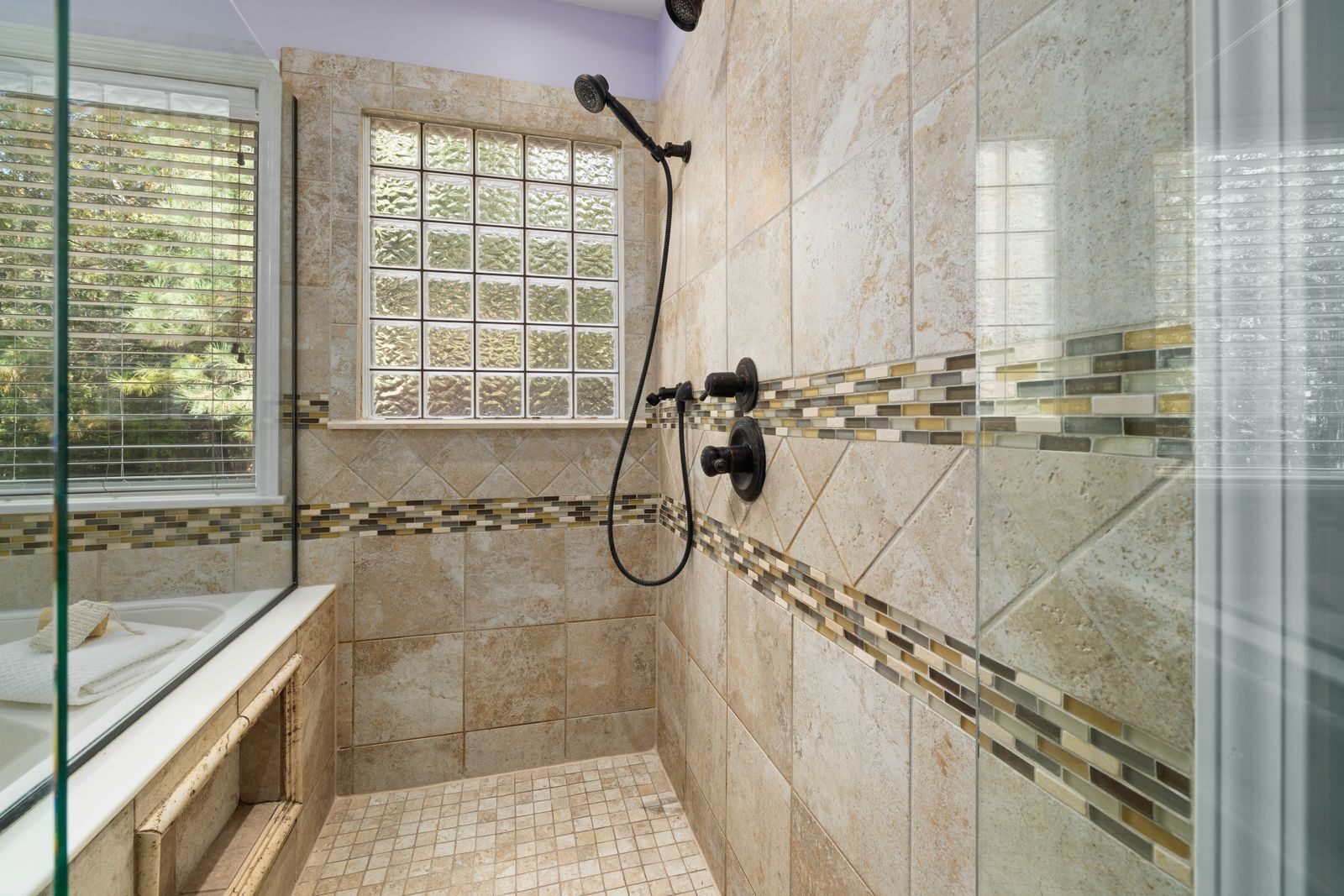
Tile has ruled bathrooms for generations. But grout lines crack. They stain. And they demand constant scrubbing. So it makes sense that more homeowners are turning to shower wall panels instead.
I have watched this shift happen firsthand while helping friends plan their own remodels. Just a few years ago, panels felt like a budget shortcut. Now they compete directly with high-end tile and stone. The materials have improved. The finishes look far more realistic. And installation has become simple enough for a confident DIYer to tackle in a weekend.
This guide breaks down the best shower panel options for 2026. We will cover materials, costs, installation methods, and regional considerations across the United States. By the end, you should know exactly which panel type fits your bathroom, your budget, and your climate.
Why Shower Panels Are Replacing Tile in 2026
Shower panels solve a problem tile never quite fixed. Grout is porous. Over time, it absorbs moisture, and mold finds a home in those tiny crevices. Panels, on the other hand, install with few or no seams. This creates a nearly continuous waterproof barrier across the entire wall.
Installation speed is another major draw. A typical tile job can take five to seven days, factoring in prep, setting, and grout curing. Panel systems often finish in one or two days, since there is no waiting on grout or sealant to cure between steps.
Cost matters too. Materials and labor for panels usually run lower than natural stone or custom tile work. And because most panel systems click together or glue directly onto existing walls, many projects skip demolition entirely. That alone can save homeowners thousands of dollars in labor.
The Top Shower Panel Materials to Consider
Not all shower panels perform the same way. Here is how the leading materials compare heading into 2026.
Acrylic panels remain a go-to choice for good reason. They resist moisture extremely well, and their smooth surface wipes clean in seconds. Acrylic works especially well in secondary bathrooms or rental properties, where budget and durability both matter. However, acrylic can scratch if you use abrasive cleaners, so stick to a soft cloth.
PVC panels offer similar water resistance at a comparable price point. Many PVC kits now mimic subway tile, marble, or natural stone with impressive detail. Lightweight and easy to cut, PVC suits DIY installers who want a fast, no-fuss project.
SPC panels, short for stone polymer composite, have become one of the standout trends this year. These large-format panels create a nearly seamless look, often stretching across an entire wall with just one or two joints. SPC panels also install directly over existing tile in many cases, which eliminates the need for demolition altogether.
Solid surface panels sit at the premium end of the spectrum. They deliver a heavier, more substantial feel than thinner plastic alternatives, and their non-porous surface resists staining beautifully. Homeowners planning a higher-end remodel often choose solid surface for its upscale appearance and long-term durability.
Laminate panels bring warmth and texture options that plastic-based panels cannot always match. Many laminate lines now offer large-format tile patterns in sizes up to 24 by 24 inches, giving a custom, high-end appearance without the grout maintenance.
Fluted WPC panels, a newer trend for 2026, add vertical texture and visual depth. These work best on dry accent walls rather than direct spray zones, since their grooves can trap moisture if placed inside the wettest part of a shower.
How Much Do Shower Panels Cost in 2026?
Pricing varies widely depending on material, panel size, and whether you hire a professional or install the panels yourself. As a general guide, budget acrylic or PVC kits often start in the few-hundred-dollar range for a standard three-wall alcove. Mid-range SPC or laminate systems typically cost more, reflecting their larger format and more realistic finishes. Solid surface panels sit at the top of the price range, especially for custom-cut installations.
Labor adds another variable. DIY installation obviously saves the most money, but professional installation ensures proper waterproofing at every seam and corner, which matters enormously for long-term performance. If your bathroom has unusual angles, a steam shower setup, or complex plumbing, hiring a licensed contractor is generally worth the added cost.
Installation Methods: What Actually Works
Shower panels install using one of four common methods, and picking the right one depends on your wall condition and comfort level with tools.
Glue-up installation uses construction adhesive applied directly to a clean, dry substrate. This method works well for most standard bathrooms and typically finishes within a day for a basic three-wall surround.
Peel-and-stick panels skip the adhesive step entirely, since the backing comes pre-applied. This method only works on smooth, non-porous walls, so proper prep is essential for a lasting bond.
Mechanical fastening, using screws or clips, provides the strongest hold for heavier panels like solid surface. This method works especially well in stud-based renovations, though you will need trim pieces to hide fasteners and block moisture from sneaking behind the panel.
Interlocking or tongue-and-groove panels have become the most popular option for 2026, largely because they simplify alignment and can often go directly over existing tile. This drastically cuts both demolition time and mess.
Regardless of which method you choose, proper sealing at joints and corners remains non-negotiable. A gap the size of a pencil tip can eventually let moisture behind the panel, leading to hidden damage that costs far more to fix later.
Choosing the Right Panel for Your Climate
Where you live in the United States genuinely affects which panel material makes the most sense. Humidity, temperature swings, and even local building codes can shape your decision.
In humid regions like Florida, the Gulf Coast, and much of the Southeast, moisture control becomes the top priority. Seamless SPC or solid surface panels perform especially well here, since they leave little opportunity for trapped humidity to cause problems behind the wall.
In dry climates such as Arizona, Nevada, and much of the interior Southwest, panels face less humidity stress, but temperature swings between day and night can still cause materials to expand and contract. Acrylic and PVC generally handle this well, thanks to their flexible, lightweight construction.
Coastal areas, including much of California and the Pacific Northwest, often deal with both humidity and salt air. Homeowners in these regions tend to favor panels with strong moisture-resistant certifications and low-VOC finishes, since indoor air quality matters just as much as water resistance near the coast.
Cold-weather states across the Northeast and Upper Midwest deal with dry winter air from indoor heating, followed by humid summers. A panel with strong dimensional stability, meaning it resists warping as humidity levels shift throughout the year, tends to perform best in these swing climates.
Design Trends Shaping 2026 Bathrooms
A few clear trends stand out this year. Large-format panels with marble or concrete-look finishes continue to dominate, largely because they create a clean, expansive appearance, especially in smaller bathrooms. Matte finishes have also grown in popularity, since they hide water spots and fingerprints far better than glossy alternatives, and they offer a subtle, slip-resistant texture underfoot in some flooring applications.
Designers increasingly recommend limiting a bathroom to three surface materials at most, including paint. This keeps the space feeling intentional rather than cluttered. The wettest zones, such as the shower and areas behind toilets, should always feature the most waterproof, seamless materials. Meanwhile, textured or bold accent panels work better in dry zones like a vanity wall, where moisture exposure stays minimal.
Color palettes have also shifted toward cooler, calmer tones. Soft grays, warm whites, and stone-inspired neutrals dominate 2026 showrooms, though deep emerald and charcoal accents are showing up more often as bold focal points within an otherwise neutral space.
Common Mistakes to Avoid
Even a great panel system can fail if installation cuts corners. Skipping proper wall prep ranks among the most common mistakes homeowners make. Panels need a clean, dry, and level surface to bond correctly, so rushing this step often leads to problems down the road.
Ignoring manufacturer sealing instructions causes trouble too. Even fully waterproof panels rely on properly sealed seams and corners to actually perform as advertised. A missed bead of sealant at a single joint can undermine the entire system.
Mixing too many textures or finishes is a design mistake rather than a structural one, but it still affects your results. Sticking to a cohesive palette, especially in smaller bathrooms, keeps the space feeling calm rather than busy.
Finally, ignoring your local climate when choosing materials can shorten a panel’s lifespan. A panel that performs beautifully in a dry climate might struggle in a consistently humid bathroom without adequate ventilation.
According to the U.S. Environmental Protection Agency’s guide on mold and moisture control, controlling moisture remains the single most effective way to prevent mold growth in any home. This applies directly to bathroom renovations, since even the most waterproof panel cannot fully compensate for poor ventilation or an unresolved plumbing leak.
DIY vs. Professional Installation: Which Should You Choose?
Many panel systems market themselves as beginner-friendly, and for straightforward, square bathrooms, that claim usually holds up. A confident DIYer with basic tools can often complete a standard three-wall surround in a weekend.
However, certain situations call for professional help. Irregular wall angles, existing water damage, or plumbing that needs relocation all add complexity that a first-time installer might struggle to handle safely. Steam showers also require specialized waterproofing knowledge, since they trap heat and humidity far more intensely than a standard shower.
If you are unsure which route fits your project, our complete guide to planning a bathroom remodel budget walks through how to weigh DIY savings against the value of professional installation, especially for larger or more complex renovations.
Maintenance Tips to Keep Panels Looking New
Shower panels need far less upkeep than tile, but a little routine care still goes a long way. Wipe down panels after each use if you can. This simple habit prevents soap scum and mineral deposits from building up over time.
Stick to non-abrasive cleaners for daily maintenance. A mix of mild dish soap and warm water handles most grime without dulling the finish. Avoid bleach-based cleaners on colored panels, since repeated exposure can fade certain finishes faster than expected.
Check seams and corners every few months. Caulk naturally wears down with heat, moisture, and time. Catching a small gap early is far easier than dealing with hidden water damage later. Most homeowners only need to recaulk every one to two years, depending on shower frequency and local humidity levels.
Ventilation matters just as much as the panel material itself. Running your bathroom fan during and after every shower helps moisture escape quickly, rather than lingering on surfaces and behind fixtures. This single habit extends the life of almost any panel system, regardless of material.
Warranty Considerations Worth Knowing
Warranty length varies significantly across brands and materials, so it deserves a close look before you buy. Budget PVC and acrylic kits often come with warranties in the five to ten year range. Premium SPC and solid surface lines frequently offer ten years or more, with some manufacturers now backing residential installations for a lifetime under specific conditions.
Read the fine print carefully, though. Many warranties only apply when panels are installed according to manufacturer instructions, and some exclude damage from improper sealing or unauthorized modifications. If you hire a contractor, ask whether their workmanship is separately warrantied, since panel warranties typically cover material defects only, not installation errors.
Top Considerations Before You Buy
Before committing to a specific panel line, walk through a short checklist. First, measure your shower space accurately, including the height from floor to ceiling or soffit, since standard panel heights vary between roughly 58 and 96 inches. Second, decide whether you are installing over existing tile or bare drywall, since this affects which mounting method will work best.
Third, think honestly about your DIY comfort level. Some kits genuinely simplify the process with pre-cut pieces and clear instructions, while others assume more building experience. Finally, request samples whenever possible. Photos and website renderings rarely capture true color and texture, and a physical sample under your own bathroom lighting can prevent an expensive surprise after installation.
Shower panels have earned their spot as a serious alternative to tile in 2026, not just a budget compromise. Between large-format SPC systems, upscale solid surface options, and easy-install acrylic kits, there is a strong match for nearly every bathroom, budget, and climate across the country. Take your time choosing a material that fits your region’s humidity levels, and do not skip proper sealing during installation. Get those two details right, and your new shower walls should look sharp and perform well for many years to come.
Frequently Asked Questions
Are shower wall panels actually waterproof? Yes, when properly installed. Most panel materials, including PVC, acrylic, and SPC, create a fully waterproof surface on their own. However, the seams and corners still need proper sealing to prevent moisture from getting behind the panel over time.
Can I install shower panels over existing tile? In many cases, yes. As long as the existing tile is secure, flat, and free of major damage, most interlocking or large-format panels can go directly over it. This saves significant time and money compared to full demolition.
How long do shower wall panels last? Quality panels typically last 15 to 25 years or longer with proper installation and care. Solid surface and SPC panels tend to last on the longer end of that range, since they resist scratching, staining, and warping better than thinner plastic options.
What is the cheapest waterproof shower panel material? PVC and basic acrylic panels usually offer the lowest upfront cost while still delivering solid water resistance. They work especially well for secondary bathrooms, rental properties, or budget-conscious remodels.
Do shower panels require special cleaning products? No. Most panels only need a mild detergent or all-purpose cleaner and a soft cloth or sponge. Avoid abrasive scrubbers, since they can scratch acrylic and some laminate finishes over time.
Can I install shower panels myself, or do I need a contractor? Many homeowners successfully install panels themselves, especially in standard, square bathrooms with basic tools. That said, complex layouts, existing water damage, or steam shower setups usually call for a licensed professional to ensure proper waterproofing.
Do shower panels increase home value? A clean, modern bathroom update, including new wall panels, generally appeals to buyers and can support your home’s resale value. Neutral colors and timeless finishes tend to offer the broadest appeal if resale is a priority.
What size panels work best for a small bathroom? Large-format panels with light, minimal-seam designs tend to make small bathrooms feel more open. Fewer visible joints reduce visual clutter, while lighter colors reflect more light and help the space feel less cramped overall.