

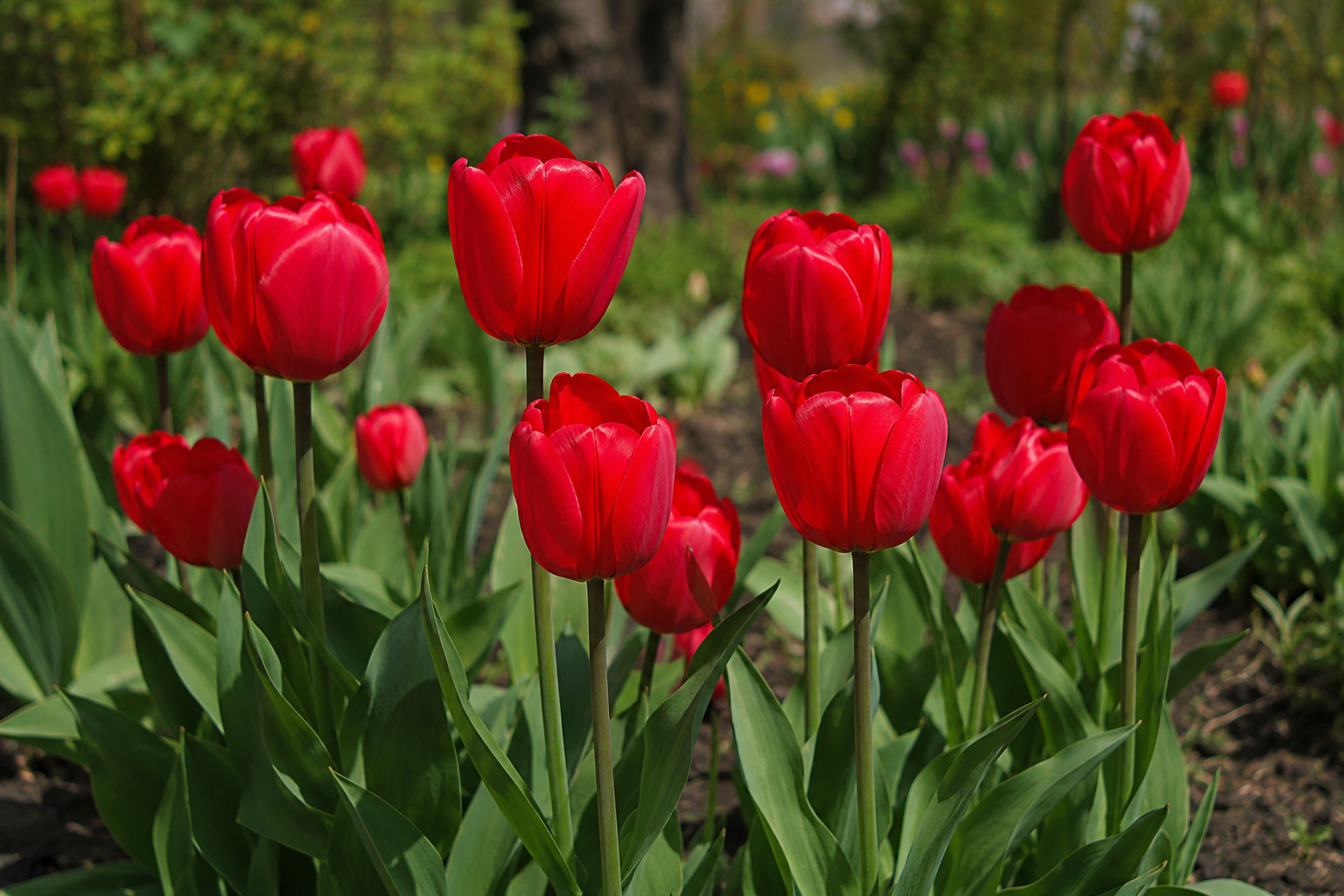
Few flowers announce spring quite like a bed of red tulips. They show up in front yards, botanical gardens, and Valentine’s Day bouquets across the country. However, most people never learn what these flowers actually represent or why they thrive in some gardens and flop in others. This guide fixes that. Below, you will find the real meaning behind red tulips, the varieties worth planting in 2026, and a practical, zone-by-zone growing plan you can use this fall.
Whether you are a first-time gardener in Ohio or a seasoned green thumb in the Pacific Northwest, this article gives you everything needed to plant, grow, and enjoy red tulips with confidence.
A Quick History of the Red Tulip
Tulips did not originate in Holland, even though that is where most people picture them. They actually came from the mountains of Central Asia and were later cultivated by the Ottoman Empire, where the flower became a royal symbol of paradise on earth. Merchants eventually brought bulbs to the Netherlands in the 1600s, and that is when things got interesting.
During the Dutch Golden Age, tulip bulbs became so valuable that a single rare bulb could cost more than a house. This period, now known as “Tulip Mania,” is often cited as one of the first recorded market bubbles in history. Red tulips specifically stood out during this era because their bold color made them easy to breed, display, and trade. Consequently, red became one of the most recognized tulip shades in the world, and it remains the most popular tulip color sold in the United States today.
What Do Red Tulips Symbolize Today?
Red tulips carry a meaning that has stayed remarkably consistent for centuries. That said, the exact message can shift slightly depending on the shade and the occasion.
Love, Passion, and Devotion
Red tulips are widely recognized as a symbol of true and passionate love. Unlike red roses, which can feel a bit formal or expected, red tulips communicate love in a softer, more sincere way. Many florists actually recommend them as a Valentine’s Day alternative for exactly this reason.
Deep or Dark Red Varieties
Darker red tulips, sometimes bordering on maroon or near-black, tend to symbolize deep, enduring love rather than fleeting infatuation. These varieties are popular for anniversaries, long-term relationships, and even sympathy arrangements, since dark red flowers can also represent remembrance.
Red and Yellow Bi-Color Tulips
Tulips with red petals edged in yellow or gold carry a slightly different meaning. Traditionally, this combination is associated with sunshine, charm, and cheerfulness rather than romance alone. As a result, these varieties work well for birthdays and general “thinking of you” gifts.
A Universal Symbol of Spring
Beyond romance, red tulips simply represent renewal. Because they bloom right after winter, they have become an emblem of new beginnings across many cultures, not just in the Netherlands.
Red Tulips in American Culture
Red tulips hold a special place in several American traditions. For instance, Holland, Michigan hosts an annual Tulip Time Festival every May, and red varieties are a major part of the display. Meanwhile, the Skagit Valley Tulip Festival in Washington State draws hundreds of thousands of visitors each spring to see rolling fields of color, with red tulips among the most photographed.
On a smaller scale, red tulips are a common choice for front-yard curb appeal throughout the Midwest and Northeast, largely because they handle cold winters well and return with reliable color year after year. If you are planning a themed garden for a patriotic holiday like the Fourth of July or Memorial Day, red tulips paired with white and blue companion flowers create an easy, classic look.
Best Red Tulip Varieties to Grow in 2026
Not all red tulips are created equal. Some are built for cutting gardens, others for mass plantings, and a few are bred specifically to return year after year. Here are the standout varieties for 2026.
Apeldoorn remains the gold standard of red Darwin Hybrid tulips. It produces classic, egg-shaped scarlet blooms on sturdy 20 to 24 inch stems, and it is one of the most reliable perennial tulips available, meaning it comes back more consistently than most hybrids.
Red Impression is a favorite among both home gardeners and cut-flower growers. Its ruby-red petals with a yellow-edged base create a striking contrast, and the extra-large blooms make a strong visual statement in beds or vases alike.
Kingsblood offers a slightly later bloom time, which makes it a smart pairing choice with earlier red varieties for extended color. Its cherry-red petals edged in scarlet hold up beautifully in both garden displays and floral arrangements.
Red Emperor blooms earliest of the group, often opening while other tulips are still budding. Its fiery red petals with a mustard-yellow base make it one of the first pops of color in a spring garden.
Ad Rem is a classic, statement-shaped tulip that performs especially well in large-scale, mass plantings. Its clean form and strong stem make it a popular pick for public gardens and festival displays.
Nachtwacht is worth mentioning for anyone who wants something moodier. This nearly black-red tulip adds depth and contrast when planted alongside brighter varieties, and it has become increasingly popular in 2026 garden design trends for its dramatic, modern look.
For the best seasonal color, many experienced gardeners plant a mix of early, mid, and late bloomers together. This staggered approach can stretch your red tulip display across six to eight weeks instead of just two.
How to Grow Red Tulips Successfully
Growing red tulips is not difficult, but timing and placement matter more than most people realize. Follow this plan to avoid the most common mistakes.
Choosing the Right Location
Red tulips need full sun, which means at least six hours of direct light per day. Additionally, they require well-draining soil, since sitting in soggy ground is the number one cause of bulb rot. If your yard tends to hold water after rain, consider planting in raised beds or adding sand and compost to improve drainage.
Understanding Your Growing Zone
Tulips perform best in USDA Hardiness Zones 3 through 7, which covers most of the northern and central United States, including states like Michigan, New York, Ohio, Illinois, and Colorado. Gardeners in these zones can simply plant bulbs directly in the ground each fall and expect natural returning blooms for several years.
Gardeners in warmer regions, such as Florida, southern Texas, and much of California, face a bigger challenge. These areas rarely get cold enough for the natural chilling period tulips require to bloom properly. Therefore, gardeners in zones 8 through 10 typically need to pre-chill their bulbs in a refrigerator for 10 to 12 weeks before planting, treating tulips more like an annual than a perennial. You can check your exact zone using the USDA Plant Hardiness Zone Map, which is the most accurate, government-maintained tool for confirming your local growing conditions.
When to Plant
Timing is everything with tulips. Plant bulbs in the fall, ideally six weeks before your first hard frost, once soil temperatures have dropped below 60°F. In most of the U.S., this falls somewhere between late September and early November, though northern states plant earlier and southern states plant later. Planting too early can cause bulbs to sprout before winter, while planting too late may not give roots enough time to establish before the ground freezes.
Planting Depth and Spacing
Plant bulbs pointy-side up, about 6 to 8 inches deep, and space them 4 to 6 inches apart. Deeper planting actually helps protect bulbs from squirrels and provides better insulation through freeze-thaw cycles, so it is worth the extra effort.
Watering and Feeding
Water bulbs thoroughly right after planting to help roots establish, then let nature take over through the winter. Once shoots emerge in spring, water only if rainfall is light, since overwatering is far more damaging than underwatering. A light application of bulb fertilizer in early spring, right as shoots appear, will support stronger blooms.
After the Bloom
This step trips up more gardeners than any other. Once flowers fade, resist the urge to cut back the foliage right away. Instead, let the leaves die back naturally over four to six weeks, since this process feeds the bulb for next year’s bloom. Cutting leaves too early is the single most common reason tulips fail to return.
Common Problems and How to Fix Them
Even experienced gardeners run into a few recurring issues with red tulips. Here is how to handle the most frequent ones.
Squirrels and rodents digging up bulbs. Planting deeper, as mentioned above, helps significantly. You can also lay chicken wire over the planting bed through winter and remove it once shoots appear.
Tulip fire disease. This fungal issue causes scorched, spotted leaves and distorted blooms. Prevent it by buying bulbs from reputable suppliers, avoiding overly wet soil, and rotating planting locations every few years.
Weak or floppy stems. This usually points to too much shade or overly rich, nitrogen-heavy soil. Move future plantings to a sunnier spot and use a bulb-specific fertilizer instead of an all-purpose one.
No blooms the second year. This is almost always caused by cutting foliage too early, shallow planting, or growing tulips as perennials in a climate that is simply too warm. If you live in zones 8 through 10, treat tulips as annuals and replant chilled bulbs each fall for consistent results.
Actionable Tulip-Growing Checklist for Fall 2026
- Test your soil drainage before ordering bulbs.
- Confirm your USDA zone using the official map linked above.
- Order bulbs early, since popular red varieties like Apeldoorn and Red Impression tend to sell out by late summer.
- Plant 6 to 8 inches deep once soil cools below 60°F.
- Skip early foliage trimming after blooming ends.
- Pre-chill bulbs for 10 to 12 weeks if you live in a warm-winter state.
If you are also planning other spring bulbs alongside your tulips, our complete guide to fall bulb planting covers daffodils, crocuses, and hyacinths in the same level of detail.
Frequently Asked Questions
Do red tulips come back every year? In cooler climates, generally zones 3 through 7, red tulips can return for several years if planted deeply and allowed to die back naturally after blooming. In warmer zones, they usually need to be replanted annually.
What does a red tulip mean as a gift? A red tulip traditionally represents true love and deep affection. It is often given as a romantic gesture, similar to a red rose, though many people see it as a softer, more personal alternative.
When is the best time to plant red tulip bulbs in the U.S.? Most gardeners plant in fall, roughly six weeks before the first hard frost. This typically falls between late September and early November, depending on your region.
Can I grow red tulips in Florida or Texas? Yes, but bulbs usually need to be pre-chilled in a refrigerator for 10 to 12 weeks before planting, since these regions rarely get cold enough naturally for proper bud development.
How deep should I plant red tulip bulbs? Plant bulbs about 6 to 8 inches deep, pointy side facing up, with roughly 4 to 6 inches of space between each bulb.
Why didn’t my red tulips bloom this year? The most common causes are cutting back foliage too early, planting too shallow, or growing them in a climate that is too warm for natural reblooming.
Are red tulips toxic to pets? Yes. Tulip bulbs contain compounds that can cause irritation or stomach upset in dogs and cats. Keep bulbs stored well out of reach during planting season.
What is the difference between red tulips and red roses in meaning? Both symbolize love, but red tulips are generally seen as representing sincere, honest affection, while red roses are often associated with more intense or romantic passion.
Final Thoughts
Red tulips manage to be both meaningful and low-maintenance, which is a rare combination in the gardening world. Plant them at the right depth, in the right season, and in soil that drains well, and you will likely enjoy their color for years to come. Ultimately, whether you are growing them for a romantic gesture, a festival-worthy display, or simply a cheerful front yard, red tulips remain one of the most rewarding spring flowers you can plant in 2026.