

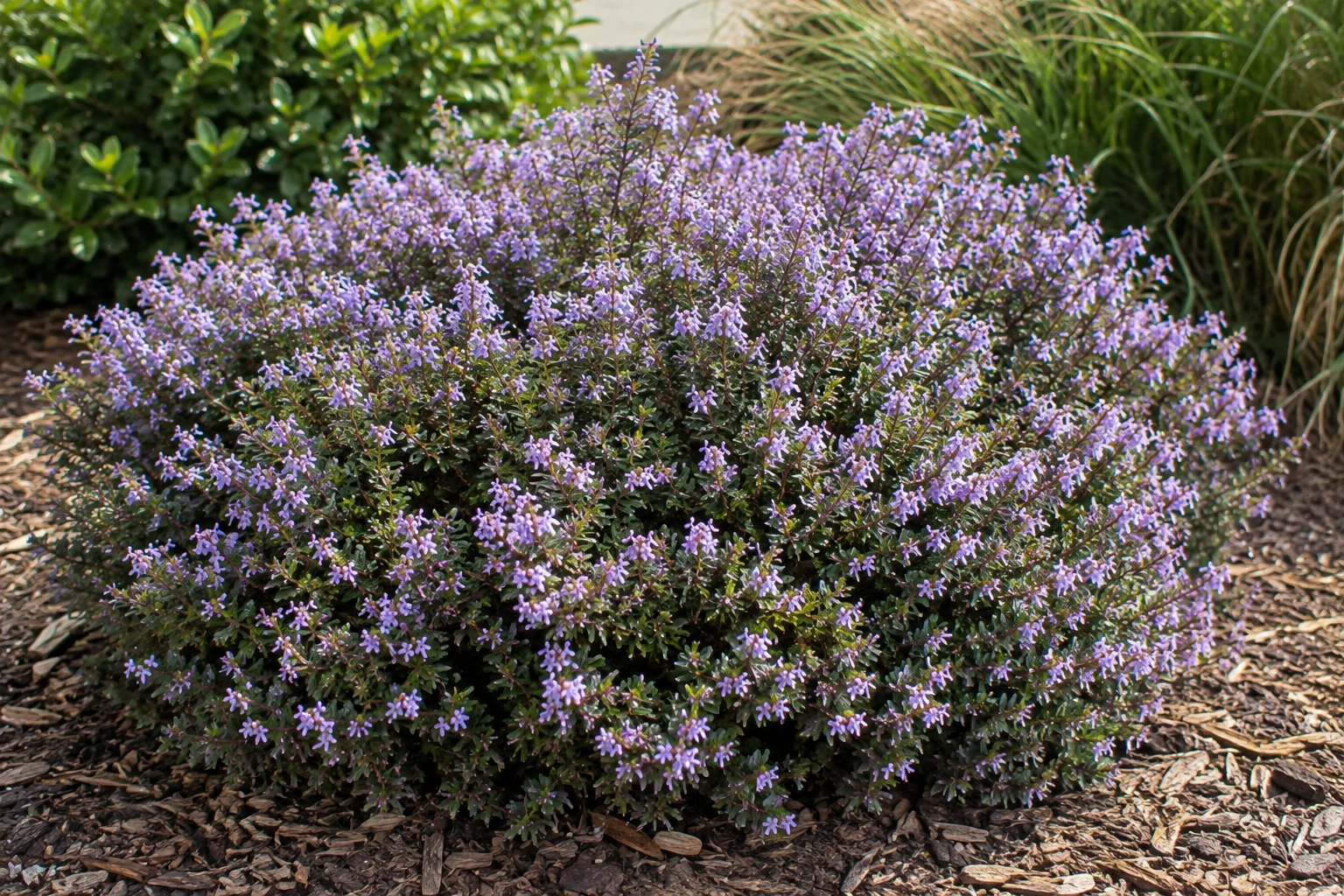
Mexican heather (Cuphea hyssopifolia) is a diminutive flowering shrub that produces masses of tiny pink, white, or lavender-purple blooms nearly year-round in warm climates. Despite the name, Mexican heather is unrelated to true heather (Calluna and Erica). It doesn’t need the acidic soil that true heathers require. This guide covers everything you need to know to grow Mexican heather, from choosing a location to wintering it in a cold climate.
Quick Answer
Plant Mexican heather in full sun with well-drained soil and water it regularly while it establishes. Once matured, Mexican heather is genuinely drought-tolerant and only needs occasional deep watering. Grow Mexican heather as an outdoor perennial in USDA hardiness zones 9 through 11, and as a summer annual or indoor container plant in colder areas. It is a low-maintenance shrub with only a few pests to worry about and no serious disease problems.
Quick Facts
| Trait | Detail |
|---|---|
| Botanical name | Cuphea hyssopifolia (family Lythraceae) |
| Mature size | 1–2 ft tall and wide (up to 3 ft in ideal conditions) |
| Perennial zones | USDA zones 9–11 |
| Light | Full sun; tolerates partial shade with fewer blooms |
| Soil | Well-drained; adaptable to a range of pH levels |
| Watering | Regular while establishing, drought-tolerant once mature |
| Spacing | 18–24 inches apart for borders and mass plantings |
| Flowers | Tiny pink, white, or lavender-purple blooms, nearly year-round in warm climates |
| Pruning | Once a year in early spring |
Not Actually a Heather — What This Plant Really Is
Mexican heather is not a heather plant, although it shares some characteristics with true heathers, such as fine, feathery foliage and a low-growing, mounding habit. True heathers (genus Calluna and Erica) also prefer acidic soil. That isn’t true of Mexican heather, which tolerates a variety of soil pH levels. Mexican heather is not a member of the Ericaceae family. Instead, it belongs to the Lythraceae family and is related to crape myrtle and loosestrife. That means you don’t need to amend garden beds with peat moss or sulfur, as you would for true heathers.
Appearance and Growth Habit
Mexican heather is a small shrub that grows to a height and width of 1 to 2 feet (with the potential for up to 3 feet in ideal conditions), with fine, feathery foliage and clusters of small flowers. The blooms are most commonly deep lavender-purple, although white and pink varieties are also widespread. They persist for most of the year in warm climates and nearly year-round in tropical ones.
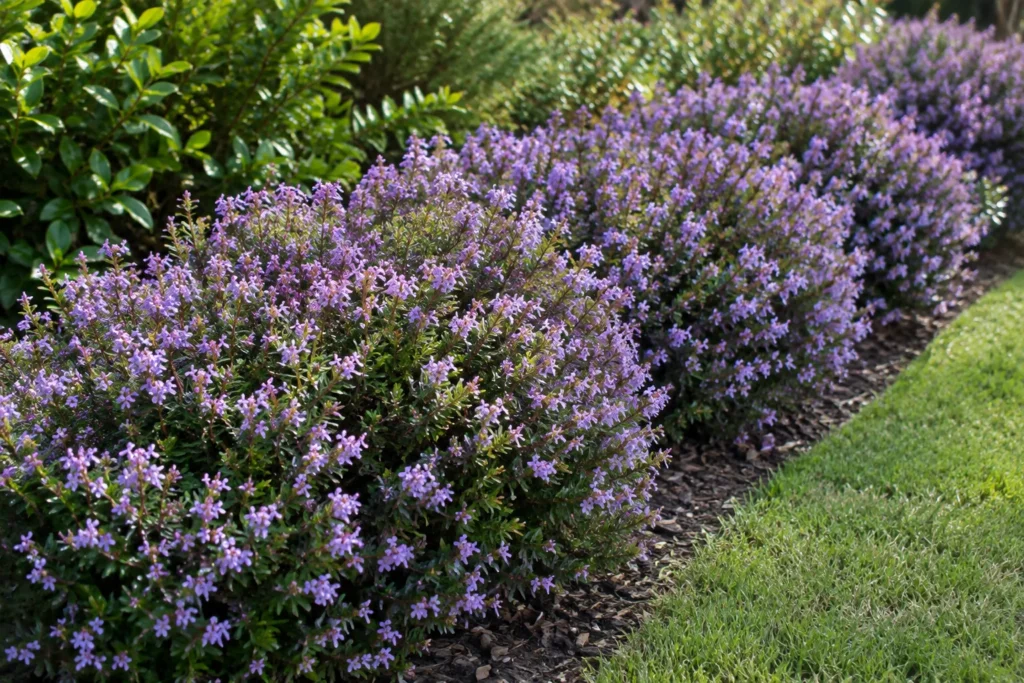
Mexican heather’s mounding, compact growth habit makes it a popular choice for borders, edging around walkways, and mass plantings; it grows densely enough to form an attractive ground cover without taking up too much space. For edging ideas, see our guide to stepping stones for a garden path.
Growing Zones and Climate
Mexican heather is reliably perennial in USDA hardiness zones 9 through 11 — these areas have sufficiently warm winters that Mexican heather will not experience hard freezes and will continue growing. Mexican heather can also be grown as an annual in zone 8, planting it in the spring and digging it up in autumn before a hard freeze. Note that Mexican heather is a tender perennial plant: it is unlikely to survive a hard winter, unless you live in the aforementioned zones 9 through 11.
Outside growing zones 9 through 11, most Mexican heather growers plant the shrub in containers — either growing it as a summer annual (planting in the spring and digging it up in the fall) or planting it outside in the summer and bringing it inside for the winter. It is well-suited to container growing, so this option is genuinely feasible even outside its hardiness zone.
Planting and Site Selection
Plant Mexican heather in full sun, although it will tolerate light or partial shade (with reduced flowering). For more sun-loving options to pair with it, see our list of the best plants for full sun and heat. Mexican heather is not picky about its growing conditions, as long as it has well-drained soil (which may require amending if you’re planting in a particularly wet or clay-heavy region). Space plants 18 to 24 inches apart, if planting a mass grouping or a hedge-like border; this should be enough room for the shrubs to grow out their mounding habit before meeting each other.
If the region or garden bed you’re planting in has particularly poor soil quality, you can mix in compost or aged manure at the time of planting to improve conditions for young Mexican heather plants. But this is not strictly necessary, because the shrub is not fussy with its needs.
Quick Planting Checklist
- Pick a sunny spot with well-drained soil (amend heavy clay or wet areas first).
- Mix in compost or aged manure if the soil is poor. This is optional.
- Space plants 18–24 inches apart for borders and mass plantings.
- Water regularly for the first 12–24 months while the plant establishes.
- Prune back in early spring each year.
- In zone 8 or colder, plant in a container or decide on a winter plan before the first frost.
Watering and Fertilizing
Water Mexican heather consistently while it establishes (which should take about 12 to 24 months), then reduce watering once the shrub reaches maturity — Mexican heather is genuinely drought-tolerant and does not need much supplemental watering after this point. Keep the soil evenly moist but not waterlogged while the shrub establishes. Like most plants that require well-drained (but not dry) soil, Mexican heather is more at risk of rot and root problems from overwatering than underwatering. Water container-grown Mexican heather whenever the top inch of soil is dry to the touch, since containers tend to dry out more frequently than garden beds.
Fertilize container-grown Mexican heather roughly every two weeks with a liquid fertilizer during the growing season. Mexican heather grown in the ground requires much less frequent fertilizing, especially if the soil has adequate organic content.
Growing Mexican Heather in Containers
Mexican heather is one of those plants that thrives in containers, because the plant’s small, compact size suits most sizes of pots. It is not picky about substrate or soil pH. Growing Mexican heather in containers is especially viable in a cold climate, where the shrub can be moved indoors for the winter. For another easy flowering container plant, see our Million Bells care guide.
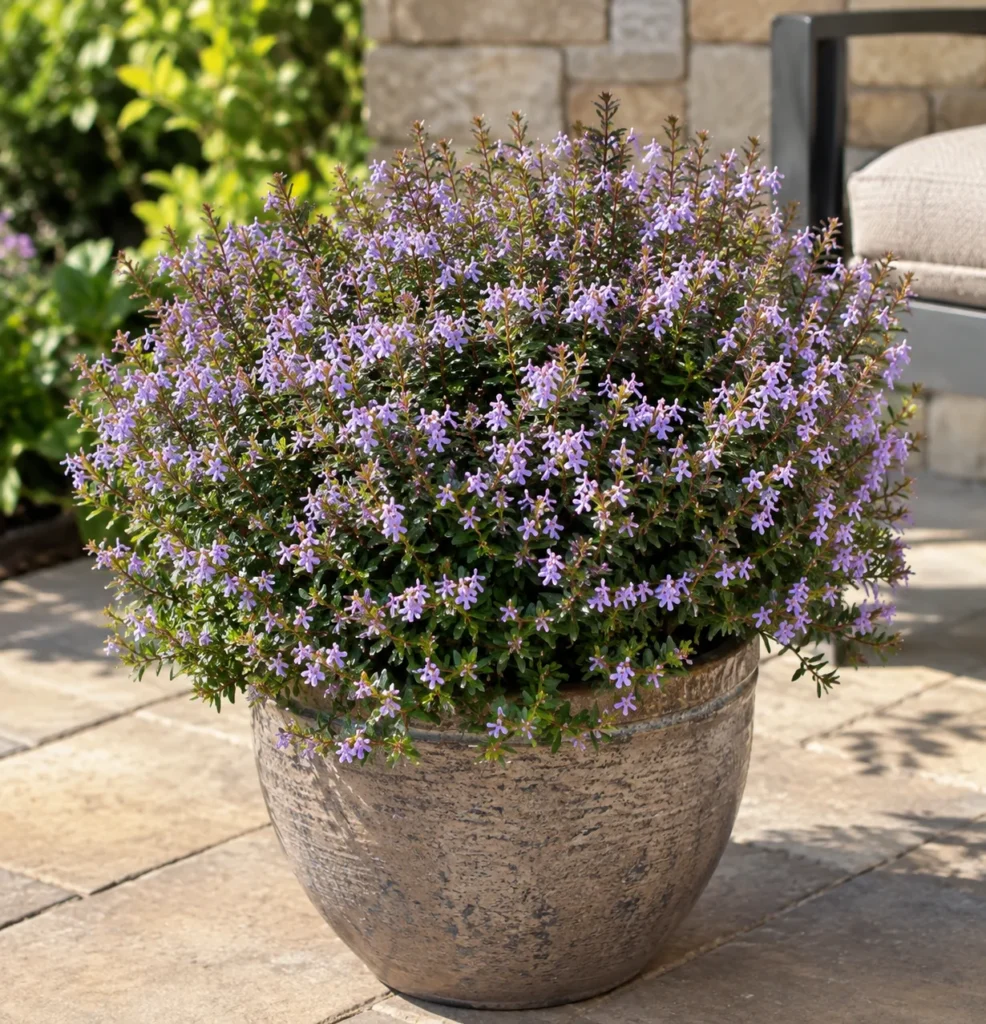
If you are wintering a potted Mexican heather indoors, it is best to bring it inside before the first frost, rather than wait until there is a risk of a hard freeze. Mexican heather does not tolerate the dry air of an indoor winter well, so it is best to find a spot with a good amount of bright light and, ideally, some humidity. Reduce watering frequency during the plant’s dormant period, only watering when the soil has dried out completely, and do not fertilize until new growth appears in the spring.
Pruning and Maintenance
Prune Mexican heather back in early spring to encourage new, bushy growth and to remove any dead material from the previous winter. Mexican heather is one of those flowering shrubs that blooms on new growth. So a springtime prune should not rob the shrub of blossoms. If anything, it will encourage even more flowers to appear in the coming months. Beyond this annual pruning, Mexican heather only requires basic maintenance. Deadheading is unnecessary, as the plant will hold its shape well without it.
Common Pests and Problems
Mexican heather is a largely pest- and disease-free plant under ideal growing conditions, which is part of the reason it’s considered such a low-maintenance shrub.
Flea Beetles
Flea beetles are the most commonly reported pest for Mexican heather, and they can create small, shot-hole-like holes in the leaves. This is generally cosmetic on an established plant rather than damaging.
Spider Mites
Hot, dry conditions can encourage spider mites to appear on Mexican heather, especially in drought-stressed specimens. The best way to prevent spider mites from appearing is to ensure that the plant has enough water during hot spells.
Aphids
Aphids occasionally appear on new growth, as they do on many flowering plants, but rarely cause lasting damage on a healthy, established Mexican heather.
For all three, regular visual inspection of new growth catches problems early, when they’re easiest to manage with simple measures like a strong spray of water or insecticidal soap, rather than needing more aggressive intervention.
Common Mistakes to Avoid
Amending Soil for Acidity It Doesn’t Need
Because of the “heather” name, some gardeners assume this plant needs the same acidic soil treatment as true heaths and heathers. It doesn’t — skip the sulfur and peat amendments you’d use for Ericaceae plants, and save that effort for species that actually need it. For a full list of plants that genuinely require acidic soil, see our acid-loving plants guide, which covers true heather along with two dozen other species that do need that specific soil chemistry.
Overwatering
Moderate watering doesn’t mean constantly wet soil. Waterlogged conditions are a more common cause of decline in this species than underwatering, especially in heavier clay soils with poor drainage.
Planting Outside Its Hardiness Zone Without a Winter Plan
Buying Mexican heather in spring without deciding whether you’ll treat it as an annual, bring it indoors, or accept winter dieback in a marginal zone is a common way to lose the plant unexpectedly come the first hard freeze.
Skipping the Spring Prune
Without an annual cutback, the plant can become leggy and less floriferous over a few seasons. A yearly spring trim keeps it compact and encourages the dense flowering it’s known for.
Who This Plant Fits Best
Mexican heather is an excellent choice for warm climate gardeners in zones 9 through 11 who want a nearly year-round bloomer that doesn’t require much in the way of care — it’s a good choice for adding as a border shrub or planting in mass to create a pollinator-friendly haven near a vegetable garden or patio seating area. Mexican heather is also a good container plant choice for pretty much anyone, as it adapts well to being grown in pots, and it can be brought indoors for the winter in cold climates.
Mexican heather is a less suitable choice for a gardener looking to create a heather bed with acidic soil plants. Mexican heather does not share the true heathers’ (Erica and Calluna) requirements or tolerance for cold weather. Growing Mexican heather alongside true heather in a garden bed is visually appealing, but their care as plants is not interchangeable.
Frequently Asked Questions
Is Mexican heather related to true heather?
No. Mexican heather belongs to an entirely different plant family than true heather (Erica and Calluna). It also doesn’t share the same soil pH requirements and is much more adaptable when it comes to soil conditions.
What USDA zones can Mexican heather grow in as a perennial?
It grows reliably outdoors as a perennial in zones 9 through 11. In zone 8 and cooler areas, it’s typically grown as an annual or overwintered indoors as a container plant.
How much sun does Mexican heather need?
Full sun produces the best flowering and foliage color, though it tolerates partial shade with a somewhat reduced bloom show.
Does Mexican heather need acidic soil?
No. This is a common misconception based on the name alone. Mexican heather adapts well to a wide range of soil pH levels and doesn’t need the acidic amendments that true heathers require.
How do I overwinter Mexican heather in a cold climate?
Grow it in a container and bring it indoors before the first frost, placing it in a spot with bright light and some humidity. Reduce watering during the dormant winter months and resume regular feeding once spring growth returns.
Why is my Mexican heather getting leggy?
This usually happens without regular pruning. An annual spring cutback encourages denser, bushier growth and better flowering, and it’s a good habit to start in the plant’s first full year in the ground or in a pot.
Is Mexican heather drought-tolerant?
Yes, once established. It needs consistent watering for its first year or two to build a strong root system, but mature plants handle dry spells well and generally need only occasional deep watering.
Sources & References
- USDA, Plant Hardiness Zone Map
- Epic Gardening, Mexican Heather growing and care guide
[…] apart depending on variety and don’t crowd them with thirsty neighbors. For a sunny bed, our Mexican heather growing guide covers another heat-loving plant, though check its water needs before planting the two side by […]