

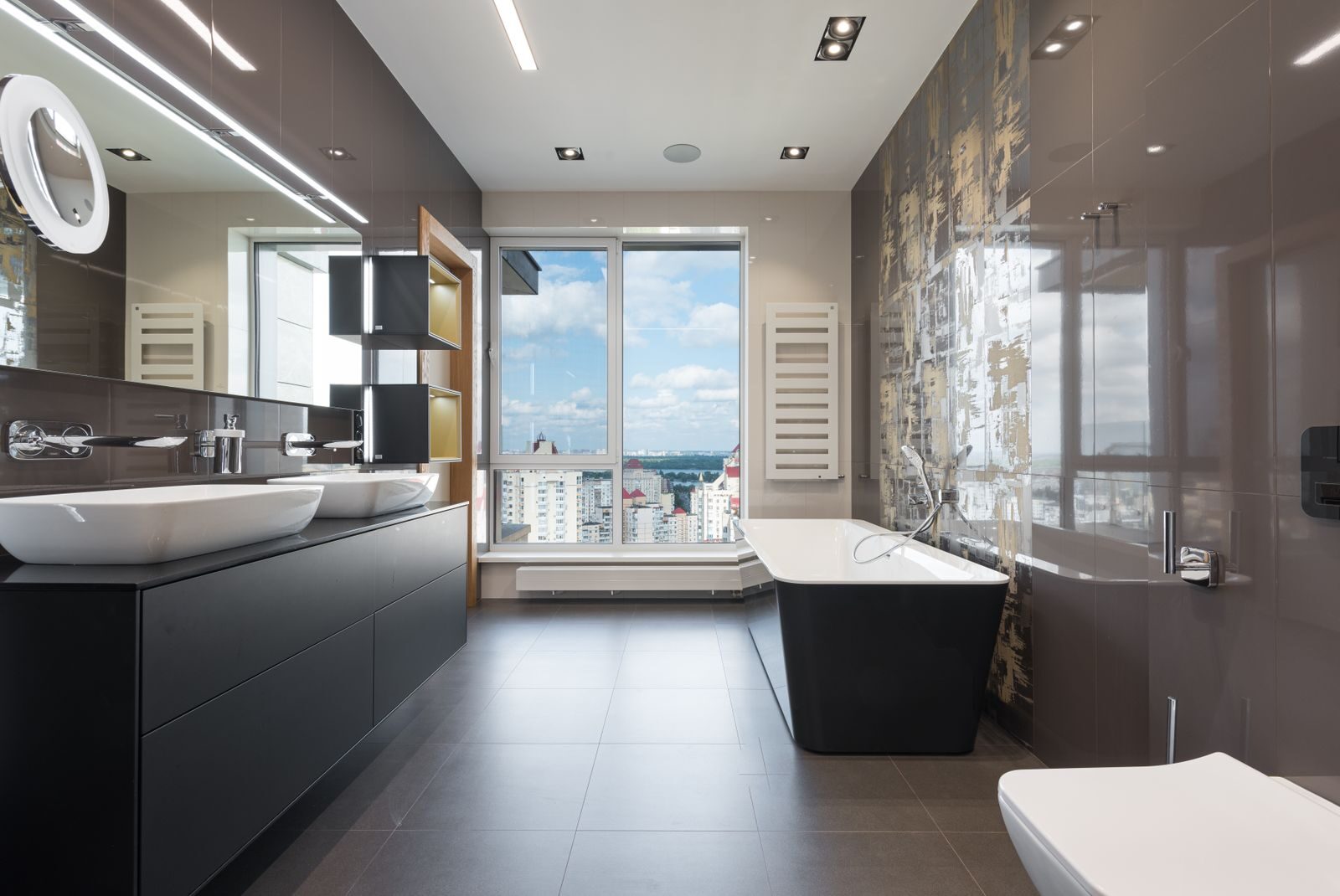
There’s a quiet revolution happening in American bathrooms right now. What used to be a purely utilitarian afterthought — a plain plastic stool tucked into a corner — has become one of the most design-forward decisions a homeowner can make. The bathroom bench in 2026 is equal parts spa upgrade, accessibility essential, and interior design statement.
Whether you’re working with a tight 5×8 guest bath in a Chicago condo or building out a master suite in a sprawling Scottsdale home, there’s a bench for your space. In this guide, I’ll walk you through every type worth considering, the best materials on the market right now, what to look for in small spaces, and what the luxury end of the market looks like in 2026 — plus practical buying advice grounded in real design experience.
Why a Bathroom Bench Is No Longer Optional
Let’s get something out of the way first: a bathroom bench isn’t just for elderly users or people recovering from injuries, though it serves both those groups exceptionally well. In 2026, the bench has earned a permanent place in thoughtfully designed bathrooms for a much wider audience.
Interior designers across the country are specifying built-in tiled shower benches as standard in new master bath remodels. Home improvement professionals in places like Nashville, Denver, and the Pacific Northwest are seeing it listed as a must-have by clients who have experienced hotel-quality showers while traveling.
Then there’s the wellness angle. The spa-at-home movement that accelerated during the pandemic hasn’t faded — it’s matured. A well-chosen bench is the anchor piece of that experience.
From a safety standpoint, the numbers are sobering. Falls in the bathroom are the leading cause of accidental injury at home, and they disproportionately affect adults over 65. According to accessibility remodeling data from early 2026, shower benches are one of the highest-impact single upgrades a homeowner can make for aging-in-place safety — often more valuable per dollar spent than any other modification. Learn more about accessible bathroom modifications and ADA standards at ADA.gov.
Types of Bathroom Benches: Which One Fits Your Space?
Understanding the different bench configurations is the first step toward a smart purchase. Not all benches work in all bathrooms.
Built-In Shower Benches
These are tiled or stone structures that are built as part of the shower itself. They offer seamless aesthetics because the bench matches the surrounding tile, grout, and materials. They’re permanent, durable, and visually elegant — but they require planning during construction or renovation. If you’re mid-remodel, this is the one to spec in. A fixed shower bench can be tiled to match your walls, making it look like a completely intentional architectural feature rather than an afterthought.
Freestanding Teak or Wood Benches
The most versatile option for homeowners who don’t want to commit to a renovation. Freestanding benches can be moved in and out of the shower, used at a vanity, or placed in a dressing area. Teak is overwhelmingly the favorite material for these, and for good reason — more on that in a moment.
Wall-Mounted Folding Benches
Brilliant for small bathrooms. A wall-mounted folding bench folds flat against the wall when not in use, taking up virtually no floor space. These pair particularly well with sleek, minimalist modern interiors and are an excellent solution for urban apartments in places like New York City, San Francisco, or any dense metro where square footage is precious.
Corner Benches
Triangular in footprint, corner benches slot into an otherwise unused shower corner. They’re compact without feeling compromised, and they often double as a surface for shampoo, soap, and other products.
Transfer Benches
Specifically designed for accessibility, transfer benches extend partially outside the bathtub or shower, allowing a person to sit on the outside and slide safely into the bathing area. These are a genuine game-changer for seniors and people recovering from surgery, and modern designs no longer look institutional. Many 2026 models are genuinely handsome pieces.
Vanity Area Benches
These live outside the shower, typically positioned in front of a double vanity or in a dressing nook. Often upholstered, they add warmth, texture, and the kind of hotel-suite energy that bathrooms rarely have.
The Best Materials for Bathroom Benches in 2026
Material choice might be the single most important decision you make. The wrong material in a wet environment will warp, mold, corrode, or degrade — sometimes within a year.
Teak Wood — Still the Gold Standard
There’s a reason teak has dominated shower bench recommendations for decades and continues to dominate in 2026. The wood contains natural oils and rubber compounds that resist moisture at a cellular level. It doesn’t rot, it doesn’t grow mold the way other woods do, and it handles the constant heat and humidity of a shower better than virtually any other natural material.
Beyond function, teak has a warmth that no tile or stone can replicate. It brings the feeling of a high-end spa into a domestic bathroom, and its natural golden-brown grain works with virtually every color palette — from warm, earthy terracotta schemes to cool, all-white Scandinavian setups. Sitting on properly maintained teak is also genuinely comfortable; unlike tile or stone, it regulates temperature naturally and never feels shockingly cold.
The main maintenance requirement is periodic oiling to preserve the original color. If you skip it, teak will develop a silvery-gray patina — which some people actually prefer. For shower benches specifically, look for Grade A teak with a smooth, fine grain, and choose a bench with slatted construction so water drains freely rather than pooling.
Marble and Stone — Luxury That Demands Respect
In 2026, designers are mixing marble finishes in ways that were previously uncommon — polished slabs for vanities, honed tiles for floors, and leathered stone specifically for shower bench surfaces. Leathered stone gives a textured, matte finish that reduces slipperiness while adding sophisticated visual depth.
Marble and granite benches are genuinely beautiful and extremely durable when properly maintained. The catch is that both are porous materials that require regular sealing, and they can feel cold in the winter months — something that bothers some users more than others. If you’re investing in a luxury bathroom and want the bench to feel like part of a cohesive stone environment, marble is worth the maintenance commitment.
Tiled Benches — Seamless and Low-Maintenance
Built-in tiled benches are beloved because they can be made to disappear visually into the shower surroundings. The tile matches the walls and floor, and the result is a monolithic, architectural look. They’re also extremely low-maintenance compared to wood or natural stone. The honest downside is that tile is not the most comfortable surface to sit on for extended periods, and grout lines require periodic cleaning to prevent mildew buildup.
Aluminum and Engineered Composites — Modern and Lightweight
For minimalist, contemporary bathrooms, aluminum-framed benches with composite or wood-slat seats offer a clean, architectural look. These are particularly popular in modern renovation projects where the homeowner wants a bench that looks almost industrial or gallery-like. They’re lightweight, rust-resistant, and easy to move.
Best Bathroom Benches for Small Bathrooms
Small bathroom design in 2026 has become genuinely sophisticated. The approach is no longer “remove everything that isn’t strictly necessary” but rather “choose everything with dual-purpose intention.” A bench can be storage. A bench can be a display surface and a bench can fold away entirely.
If your bathroom is on the smaller side — think under 60 square feet — here’s the hierarchy of smart choices:
The wall-mounted folding bench is your best starting point. It occupies zero floor space when not in use and takes up minimal visual weight even when deployed. Look for stainless steel hinges with a stainless or brushed nickel finish for durability in wet conditions.
The corner bench is your second-best option if you have a full shower stall. It uses space that would otherwise go completely to waste and doesn’t interrupt the traffic flow in the shower.
If you want a freestanding bench in a small bathroom, choose one with a slatted or open-frame design. Solid benches in small rooms create visual blocks that make the space feel cramped. An open-frame teak bench reads as lighter and less intrusive.
Consider a dual-function bench with integrated storage — a lift-top or lower shelf design allows you to store extra towels, toiletries, or cleaning products without adding another piece of furniture to an already-crowded room.
Size matters in small spaces: keep benches to 24–30 inches in length and 15 inches in depth as a baseline.
Best Bathroom Benches for Luxury Bathrooms
Luxury bathroom design in 2026 has moved away from the sterile, all-white spa aesthetic that dominated the early 2020s. The new direction is warmer, more layered, and more personal. Heated benches are now an accessible luxury — no longer confined to six-figure renovation budgets. Designers are specifying them alongside steam units, chromatherapy systems, and double showerheads as part of cohesive wellness-oriented bathrooms.
For a genuine luxury bathroom, consider these options:
Heated Built-In Bench: A tiled bench with in-slab radiant heating beneath the tile surface. The bench warms on cold mornings and makes the shower feel genuinely spa-like. This is one of the highest-satisfaction upgrades in modern bathroom renovations.
Leathered Marble or Quartzite Bench: As mentioned above, the leathered finish on natural stone is having a major moment in 2026 luxury bathrooms. The texture is elegant, reduces cold-surface feel, and adds a level of visual complexity that polished stone doesn’t.
Custom Teak with Brushed Brass Hardware: A freestanding teak bench paired with brushed brass legs or frame hardware ties beautifully into 2026’s mixed-metals trend. This combination works particularly well in bathrooms with warm-toned wall tile, walnut vanities, or terracotta accents.
Upholstered Vanity Bench: For the vanity area of a master suite, an upholstered bench in a performance fabric (water-resistant but soft and luxurious in appearance) adds a hotel-suite dimension. Bouclé, velvet in moisture-resistant fibers, and textured linen-look fabrics are all popular choices this year.
Accessibility and the Aging-in-Place Angle
This is worth its own section because it’s increasingly relevant across American households — not just for seniors, but for anyone who is pregnant, recovering from an injury, or managing a chronic physical condition.
The bathroom is statistically the most dangerous room in a home for falls. Installing a shower bench is consistently cited by accessibility specialists as one of the most meaningful changes a homeowner can make. Sitting while bathing reduces the risk of slipping on a wet floor dramatically, and the presence of a stable bench changes the dynamics of how people move in a shower.
For accessibility-focused buyers, the priority list looks like this: stability above all else (a bench that wobbles is more dangerous than no bench); slip-resistant surfaces on the seating area; the right height (17–19 inches from the floor is the standard comfort-height range, also consistent with ADA recommendations for seated surfaces); and weight capacity appropriate for the user.
. A wall-mounted teak or composite folding bench also works well for users who need seated bathing support — it folds away when a caregiver needs access, then deploys quickly when needed. If grip and drainage are a priority elsewhere in the bathroom too, our kitchen cupboard plinth guide covers similar moisture-resistant material choices for cabinetry.
If you’re planning a bathroom renovation with accessibility in mind, it’s worth knowing that programs including Medicaid Home and Community-Based Services waivers and certain local government programs across the US may help offset modification costs. Check with your state’s aging services department or a local contractor who specializes in accessible remodeling.
Key Things to Look for Before You Buy
After all the style considerations, here’s a practical buyer’s checklist:
- Weight capacity: Most residential bathroom benches should comfortably support 250–300 lbs. Premium models often go to 400+ lbs.
- Slip resistance: Slatted wood naturally provides some grip. Look for rubber feet on freestanding benches and non-slip surfaces on seated areas, especially for tile or stone surfaces.
- Drainage design: Benches that pool water become breeding grounds for mold. Slatted designs and benches with a slight slope allow water to run off naturally.
- Hardware materials: In wet environments, choose stainless steel, brushed nickel, or solid brass hardware. Zinc alloy and chrome-plated steel will corrode within a year or two.
- Installation complexity: Freestanding benches require no installation. Wall-mounted options need to be anchored into solid blocking or studs — not just drywall — to support weight safely.
Internal Resource: Read Before You Renovate
If you’re considering a full bathroom renovation to incorporate a built-in bench, our 36-inch bathroom vanity guide is a useful next stop for planning the rest of the room. Understanding the scope of what’s involved — tile work, waterproofing membranes, blocking for wall-mounted fixtures — will help you have much more productive conversations with professionals and avoid budget surprises.
Frequently Asked Questions
What is the best material for a bathroom bench in 2026?
For shower benches specifically, teak wood remains the top recommendation from designers and contractors alike. Its natural oils make it inherently moisture-resistant, it doesn’t harbor mold the way other woods do, it’s comfortable to sit on year-round, and it adds warmth to a space that tile and stone can’t replicate. For built-in benches that are part of the shower’s permanent structure, tiled benches are the most seamless and low-maintenance option. For a luxury look, leathered natural stone is having a strong design moment right now.
How much does a good bathroom bench cost?
The range is wide. A solid freestanding teak bench runs anywhere from $80 to $400+ depending on size and craftsmanship. Wall-mounted folding benches typically cost $60–$200 for the unit, plus installation. Built-in tiled benches are part of a larger shower renovation and aren’t priced as standalone items, but a contractor building one into a shower remodel might add $300–$800 to the tile work scope. Luxury options — heated stone benches, custom teak with metal hardware, premium upholstered vanity benches — can run from $500 into the thousands.
Can I add a shower bench to an existing shower without a full renovation?
Absolutely. A freestanding teak or acrylic bench requires zero installation — you simply place it in your shower. Wall-mounted folding benches require drilling into the wall and anchoring into studs or blocking. Which is a manageable DIY project if you’re comfortable with basic tools and can locate solid backing. The one type you cannot add without renovation is a fully built-in tiled bench, which requires structural work and waterproofing.
What size should a bathroom bench be?
For length, corner benches typically run 24–30 inches per side; full-length shower benches typically range from 30 to 48 inches. Standard height is 17–19 inches from the floor, which aligns with ADA comfort-height guidelines and makes sitting and standing easier for most adults.
Are bathroom benches safe for elderly users?
Yes — when properly chosen and installed. A shower bench is one of the highest-impact safety upgrades for aging-in-place bathrooms because seated bathing dramatically reduces fall risk. For elderly users specifically, look for a bench with a weight capacity well above the user’s weight, slip-resistant seating surface, sturdy non-slip rubber feet for freestanding models, and mounting into solid blocking for wall-mounted types. Transfer benches, which span the edge of the tub or shower threshold, are specifically designed for users who have difficulty stepping over a curb.
What’s trending for bathroom benches in 2026?
A few clear trends are emerging this year. Heated built-in benches — using radiant heating embedded beneath the tile surface — are increasingly popular in luxury renovations. Leathered natural stone is being specified for bench surfaces in high-end projects. Teak benches paired with brushed brass or matte black hardware are popular in warm-toned, organic bathroom schemes. And folding wall-mounted benches in stainless or wood finishes are growing in popularity as urban apartments prioritize multi-function, space-saving solutions.
Can a bathroom bench double as storage?
Yes, and more homeowners are choosing benches specifically for this dual purpose. Models with a lower shelf, slatted rack, or lift-top storage compartment can hold extra towels, toiletries, or cleaning products. In small bathrooms where every square foot counts, a bench that serves both as seating and storage is a genuinely smart investment.
How do I maintain a teak bathroom bench?
Teak requires minimal but consistent care. After each shower, if possible, shake off excess water or stand the bench outside the spray zone to dry. Every six to twelve months, apply a teak oil or sealant to preserve the warm golden color — skip this and the wood will gradually turn a silvery gray, which is harmless but changes the aesthetic. If mildew appears on the surface (more common in poorly ventilated bathrooms), a light scrub with warm water, mild detergent, and a soft brush removes it easily. Avoid harsh chemical cleaners, which can strip the wood’s natural oils.
Final Thoughts
A bathroom bench is one of the most under-rated investments you can make in your home. It costs a fraction of a full renovation, delivers daily functional value, improves safety for every member of the household, and — when chosen well — genuinely elevates the visual quality of the space.
In 2026, the options are better than they’ve ever been. Teak craftsmanship has become more accessible. Built-in options are being integrated into everything from entry-level bathroom remodels to high-end custom builds. The folding and corner-bench solutions for small spaces are finally well-designed enough to actually recommend without caveats.
Whether you’re outfitting a compact urban bathroom, designing a spa-caliber master suite, or making a family bathroom safer for aging relatives, the right bench is out there. Use the material guidance and buying checklist in this article to narrow your choices — and give yourself permission to take this particular decision seriously. You’ll interact with it every single day.