

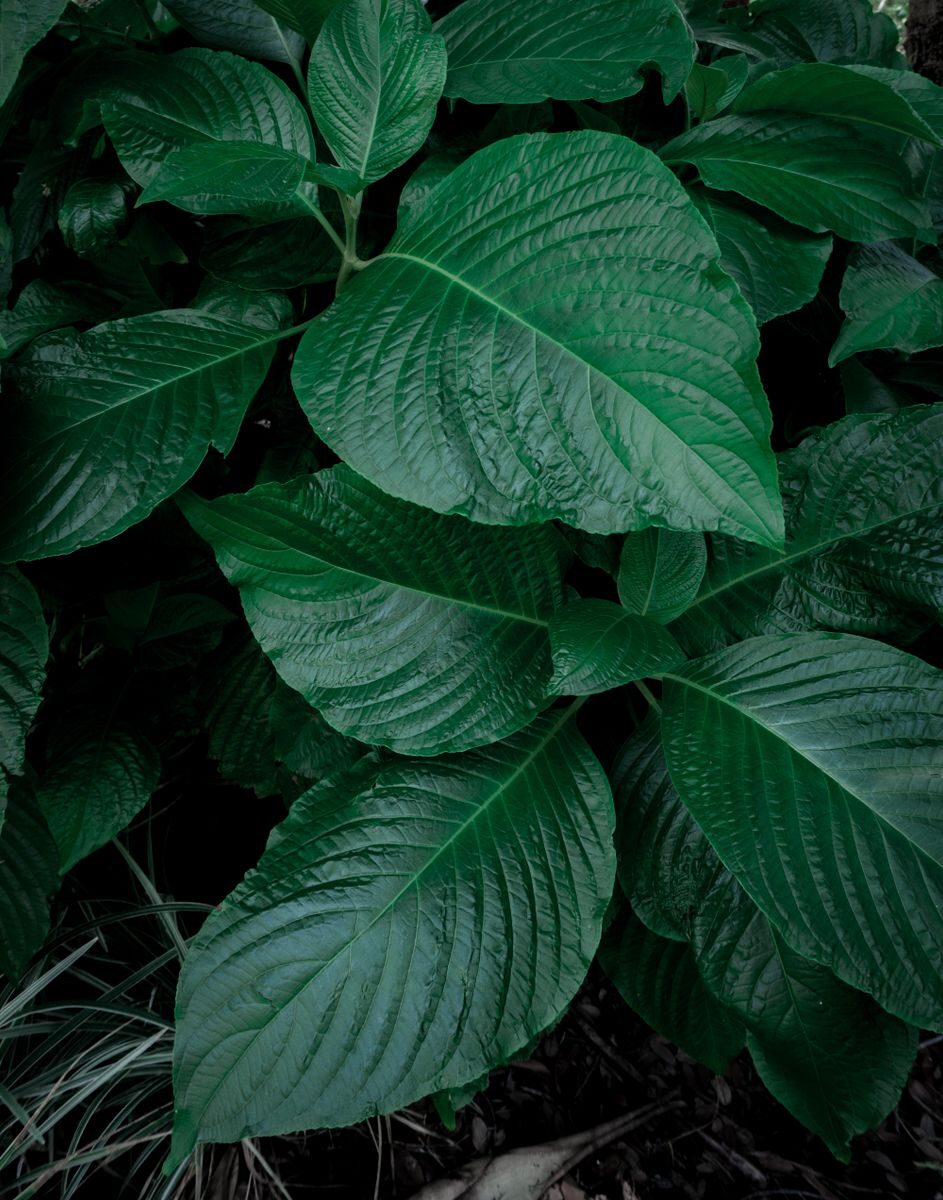
If you’ve ever brushed against a leaf and caught a whiff of sassafras, licorice, and mint all at once, you’ve probably met the root beer plant. Officially known as Piper auritum, this heart-leaved tropical herb goes by several names, including hoja santa, sacred pepper, and Mexican pepperleaf. Gardeners love it for its dramatic foliage. Cooks love it for its complex, unmistakable aroma. Therefore, it’s no surprise this plant keeps gaining fans across warmer parts of the United States.
This guide covers everything you need to grow root beer plant successfully in 2026, from ideal growing zones to common care mistakes. We’ll also answer the questions gardeners ask most, so you can plant with confidence.
What Is the Root Beer Plant, Exactly?
Piper auritum is a member of the pepper family, related to black pepper and kava. It’s native to Central America and southern Mexico, where cooks have used its leaves for centuries. The leaves are large, soft, and heart-shaped. In fact, some grow over a foot across on mature plants.
The scent is what makes this plant memorable. Crush a leaf, and you’ll notice hints of sassafras, anise, tarragon, and eucalyptus all layered together. That’s because the leaves contain safrole, the same aromatic compound found in true sassafras root, which was historically used to flavor root beer. As a result, the nickname stuck.
Outdoors, root beer plant can grow into a small tree, reaching six to twelve feet tall in ideal conditions. Indoors or in containers, however, it stays much more manageable. Either way, it’s a striking addition to any garden bed or patio container.
Where Root Beer Plant Grows Best in the U.S.
Climate matters a lot with this plant. Piper auritum thrives outdoors year-round in USDA Hardiness Zones 8 through 11. That includes much of the Gulf Coast, coastal California, South Texas, and nearly all of Florida. If you’re unsure which zone you live in, the USDA Plant Hardiness Zone Map lets you check by zip code in seconds.
Gardeners in Zones 8 and 9, such as parts of coastal Georgia, southern Louisiana, or the Texas Hill Country, can expect the plant to die back to the ground during winter frost. Don’t worry, though. It typically returns from the roots once warm weather returns in spring.
In Zones 10 and 11, including South Florida, the Rio Grande Valley, and coastal Southern California, root beer plant behaves more like an evergreen shrub. It keeps its leaves year-round and can grow quite large without a hard freeze to knock it back.
If you garden in Zone 7 or colder, don’t count yourself out. Many gardeners in the Mid-Atlantic, Midwest, and Pacific Northwest grow root beer plant successfully in containers. Simply bring the pot indoors before the first frost, and you’ll enjoy the plant through winter as a houseplant.
Light, Soil, and Water Requirements
Root beer plant prefers bright, indirect light or partial shade. In its native tropical understory, it grows beneath taller trees, filtered from harsh, direct sun. Therefore, mimicking that dappled light indoors or outdoors keeps the leaves looking their best.
Too much direct afternoon sun, especially in hot climates, can scorch the leaves and cause brown, crispy edges. On the other hand, too little light leads to leggy, stretched-out growth as the plant reaches for brighter conditions. A spot with morning sun and afternoon shade usually works well outdoors. Indoors, an east-facing or north-facing window is ideal.
Soil should be rich, loose, and well-draining, yet able to hold consistent moisture. A soil pH between 5.6 and 6.5 suits this plant nicely. Sandy loam or light clay amended with compost works particularly well. Avoid soggy, waterlogged spots, since root beer plant dislikes sitting in standing water.
Consistent moisture matters more than most people expect. This plant naturally grows in humid, rain-soaked environments, so it doesn’t tolerate long dry spells well. Water deeply whenever the top inch of soil feels dry, and increase frequency during hot summer months. Meanwhile, indoor growers should also consider raising humidity with a pebble tray or humidifier, especially during dry winter months when heating systems pull moisture from the air.
Planting and Propagation
You have two main options for starting root beer plant: seeds or stem cuttings. Cuttings tend to be faster and more reliable for home gardeners.
Starting from seed: Begin indoors six to eight weeks before your last expected frost. Press seeds lightly into a well-draining seed-starting mix without burying them deeply, since they need light to germinate. Keep the soil consistently warm, ideally between 70°F and 80°F, for the best germination results.
Propagating from cuttings: Select a healthy stem section around four to six inches long with at least two leaf nodes. Remove the lower leaves to prevent rot, then place the cutting in water or moist potting mix. Roots typically develop within a few weeks. Once established, transplant the cutting into a container or garden bed.
Whichever method you choose, wait until all danger of frost has passed before moving plants outdoors. Space plants three to five feet apart, since root beer plant spreads readily once established and can quickly fill a garden bed.
Ongoing Care and Maintenance
Once established, root beer plant is fairly low-maintenance. That said, a few consistent habits will keep it thriving.
Fertilizing: Feed with a balanced liquid fertilizer, such as a 10-10-10 formula, every four to eight weeks during the growing season. Dilute according to package instructions, since over-fertilizing can damage the roots. Alternatively, working compost into the soil each spring often provides enough nutrition for established plants.
Pruning: Trim regularly to maintain shape and encourage bushier growth. Remove any yellowing, damaged, or dead leaves as you notice them. Pruning can happen throughout the growing season without harming the plant.
Repotting: Container-grown plants generally need repotting every one to two years, or whenever roots begin circling the pot or emerging from drainage holes. Choose a new container just slightly larger than the last one, and refresh the soil at the same time.
Pest control: Watch for spider mites, mealybugs, and aphids, particularly on the undersides of leaves. Regular inspection catches problems early. An organic insecticidal soap usually resolves minor infestations without harsh chemicals.
Managing Its Spreading Habit
One thing to know before planting root beer plant in the ground: it spreads. The roots send up new shoots readily in moist soil, and left unchecked, this plant can become a bit of a garden bully. Fortunately, the roots stay shallow, so unwanted shoots pull out easily by hand.
If you’d rather avoid the spreading altogether, container growing solves the problem completely. A large pot, at least fifteen to twenty gallons, gives the plant plenty of room to grow while keeping its roots contained. This approach works especially well for gardeners in cooler zones who need to bring the plant indoors each winter anyway.
Culinary Uses Worth Knowing
Root beer plant earns its keep in the kitchen just as much as the garden. In Mexican and Central American cooking, the leaves wrap meat, fish, and tamales before cooking, imparting a peppery, anise-like flavor. It’s also a key ingredient in mole verde, the vibrant green sauce from the Puebla and Oaxaca regions of Mexico.
The youngest leaves and tender stems carry the strongest flavor. Cooks often chop these finely to season soups, eggs, and chocolate-based drinks. Fresh leaves work best, since drying removes much of the plant’s signature aroma and makes the leaves too brittle for wrapping food.
One safety note worth mentioning: the leaves contain safrole, a compound that’s been studied for potential health concerns in very high, concentrated doses. However, the small amounts absorbed through normal cooking and seasoning are generally considered negligible by food safety researchers. As with any strong-flavored herb, moderation is a reasonable approach.
Bringing It Indoors for Winter
Gardeners outside Zones 8 through 11 shouldn’t skip this plant. Growing root beer plant as a container specimen and overwintering it indoors works well, provided you follow a few key steps.
Before the first frost, move the container to a bright indoor spot, ideally near an east or north-facing window. Reduce watering slightly during the dormant winter months, since the plant grows more slowly with less light. Keep indoor temperatures above 50°F, and avoid placing the pot near cold drafts or heating vents.
Come spring, once temperatures reliably stay above 50°F overnight, you can move the plant back outside. Gradually acclimate it to brighter light over a week or two to prevent leaf scorch from sudden sun exposure. For more general guidance on transitioning tropical container plants between indoor and outdoor conditions each season, check out our complete guide to overwintering tender perennials.
Using Root Beer Plant in Garden Design
Beyond its usefulness in the kitchen, root beer plant earns a spot in ornamental gardens too. Its oversized, velvety leaves add texture that’s hard to replicate with typical landscape plants. Consequently, many gardeners use it as a focal point near patios, shaded borders, or beneath larger trees where its natural understory habit shines.
Pair it with other shade-tolerant tropicals like elephant ears, cast iron plant, or ferns for a layered, jungle-like feel. Similarly, its fragrance makes it a nice addition near walkways or seating areas, where brushing past the leaves releases that distinctive scent. Just remember to give it enough space, since a mature specimen can spread wider than expected within a season or two.
Common Problems and How to Fix Them
Yellowing leaves usually point to overwatering, which deprives roots of oxygen, or occasionally a nutrient deficiency. Cutting back on watering frequency and checking drainage typically solves this issue.
Brown, crispy leaf edges often signal low humidity or inconsistent watering. Increasing humidity indoors, or watering more consistently outdoors, generally resolves the problem within a few weeks.
Wilting can indicate either underwatering or overwatering, so check the soil moisture before making changes. If the soil feels bone dry, water thoroughly. If it feels soggy, let it dry out somewhat before watering again.
Leggy, stretched growth almost always means insufficient light. Moving the plant to a brighter spot, while still avoiding harsh direct sun, usually corrects this within a growing season.
Frequently Asked Questions
Is the root beer plant the same as sassafras? No, they’re different plants entirely. Root beer plant is Piper auritum, a tropical member of the pepper family. Sassafras is a temperate tree native to eastern North America. Both contain safrole, however, which explains their similar aroma.
Can I grow root beer plant in a pot year-round? Yes, absolutely. Container growing works well in any climate, since you can move the pot indoors during cold months. Many gardeners outside Zones 8 through 11 grow this plant exclusively in containers for this reason.
How big does root beer plant get? Outdoors in ideal conditions, it can reach six to twelve feet tall. Container-grown plants generally stay smaller, often between three and six feet, depending on pot size and pruning habits.
Is root beer plant invasive? It can spread aggressively through underground roots when planted directly in moist garden soil. However, the roots stay shallow and are easy to remove by hand. Growing it in a container eliminates this concern entirely.
What does root beer plant taste like? Most people describe the flavor as a blend of sassafras, licorice, mint, and black pepper, with a hint of eucalyptus. The youngest leaves and stems carry the strongest flavor.
Can I eat the leaves raw? Yes, though most traditional recipes cook the leaves, either by wrapping food for steaming or grilling, or by chopping them finely into sauces and soups. Moderate consumption is generally recommended given the plant’s safrole content.
Why is my root beer plant losing leaves in winter? This is normal in Zones 8 and 9, where cooler temperatures trigger natural dieback. The plant typically regrows from the roots once warm weather returns in spring, so there’s usually no cause for concern.
Where can I buy root beer plant seeds or starts? Specialty herb nurseries, tropical plant retailers, and online garden shops frequently carry both seeds and rooted cuttings. Look for reputable sellers with clear care instructions and healthy-looking stock photos before ordering.
Final Thoughts
Root beer plant rewards patience with a genuinely unique addition to your garden or kitchen. Whether you’re growing it outdoors in a warm coastal climate or nursing a container specimen through a northern winter, the payoff is the same: fragrant, striking foliage and a flavor you won’t find anywhere else. Start with a healthy cutting, give it consistent moisture and filtered light, and you’ll likely find yourself brushing past those big heart-shaped leaves just to catch that unmistakable root beer scent all over again.