

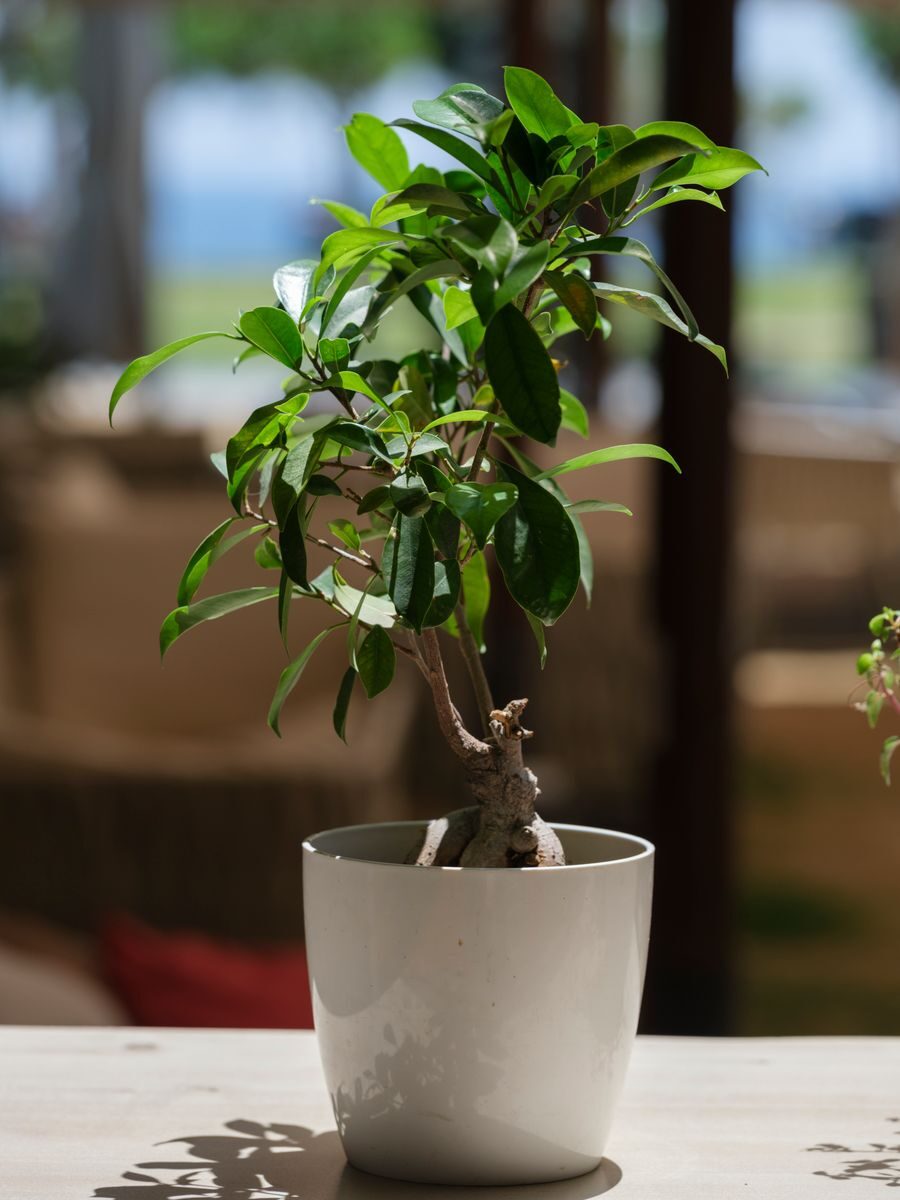
You’ve probably seen a Ficus Audrey on Instagram. Or maybe you spotted one anchoring a friend’s living room. Either way, it’s easy to see why this plant has become so popular. It has the same dramatic, tree-like presence as a fiddle leaf fig. However, it has softer, fuzzy blue-green leaves. It’s also far more forgiving. In fact, many US plant shops now recommend it as the go-to alternative for anyone who’s killed a fiddle leaf fig before. If you’re weighing the two, our Fiddle Leaf Fig Care Guide is a good side-by-side reference before you commit to either one.
This guide covers everything you need to keep a Ficus Audrey healthy in a typical American home. That includes apartments in Chicago with dry winter heat. It also includes sunrooms in Phoenix that get blasting afternoon light. We’ll walk through light, water, soil, humidity, feeding, pruning, repotting, common problems, and pet safety. By the end, you’ll have a simple routine you can actually stick to.
What Is a Ficus Audrey, Exactly?
Ficus Audrey is the common nursery name for Ficus benghalensis. It’s also known as the Indian banyan tree. In its native range across India, Pakistan, and Bangladesh, this tree is considered sacred. It can grow to enormous sizes there. Its aerial roots eventually become entire new trunks. As a houseplant, though, it stays a manageable size. It still gives you that same sculptural, commanding look, just on a smaller scale.
You’ll notice the leaves right away. They’re oval and slightly fuzzy underneath. The color is a distinctive dusty blue-green. This sets it apart from other ficus varieties. Over time, the trunk develops pale, silvery bark. That adds even more to its sophisticated look. This plant also tolerates a wider range of light and water than a fiddle leaf fig. Because of that, nurseries across the US have pushed it as the trendier, easier alternative. That trend has only grown stronger heading into 2026.
Where to Give Your Ficus Audrey the Best Light
Light is the single biggest factor in how well your Ficus Audrey performs. This tree wants bright, indirect light for most of the day. It can also handle a few hours of gentle direct sun. Morning sun works especially well. An east-facing window is often considered ideal for this reason. A spot near a south- or west-facing window works too. Just keep it a few feet back from the glass. That way, it gets strong ambient brightness. But it avoids the risk of leaf scorch from harsh afternoon rays.
If your home leans dim, a grow light can help. This is especially true during short winter days in the Northeast or Midwest. Low light won’t kill the plant right away. However, over time you’ll notice smaller leaves. You may also see longer gaps between leaves on the stem. The plant can start to look leggy and stretched out. Once you find a good spot, try to leave it there. Ficus trees are sensitive to being moved. A sudden change in light often triggers leaf drop while the plant adjusts.
Watering: The Number One Way People Kill This Plant
More Ficus Audrey plants suffer from watering mistakes than anything else. The good news is that this tree forgives more than a fiddle leaf fig. Still, it has clear preferences. Let the top one to three inches of soil dry out first. Then water thoroughly until it drains from the bottom of the pot. During the growing season, that usually means watering every seven to ten days. Growth slows down in winter. Indoor heating also dries out the air then. So you can stretch watering to every ten to fourteen days.
Consistency matters more than precision here. Most problems come from two extremes. The first is watering a little too often. That keeps the top layer damp while the roots stay dry. The second is letting the whole pot dry out completely. That stresses the plant and leads to crispy leaf edges. Many US cities have heavily chlorinated or fluoridated tap water. If that’s your situation, let water sit out overnight before using it. This can reduce leaf tip browning over time. A pot with proper drainage holes is non-negotiable. Standing water at the bottom is one of the fastest ways to cause root rot.
Soil and Potting Mix That Actually Works
A Ficus Audrey needs a mix that holds some moisture but drains fast. Soggy roots are far more dangerous to this plant than a dry stretch. Standard bagged potting mix often holds too much water on its own. Blending in perlite, orchid bark, or coarse sand loosens things up. A simple approach works well here. Combine a quality potting soil with 20 to 30 percent perlite or bark. That gives you the aeration this plant needs.
Many plants come home in plastic nursery pots. If yours did, repotting into a proper container is worth doing soon. Nursery pots are meant for short-term transport, not long-term health. Also, avoid oversized pots that hold far more soil than the roots need. Excess soil retains moisture longer. That raises the risk of rot.
Humidity and Temperature for US Homes
Ficus Audrey comes from a warm, humid part of the world. Even so, it’s more adaptable than you might expect. Average household humidity is usually enough for this plant to thrive. Somewhere around 40 to 50 percent works well. That said, some US climates run drier than others. Colorado, Arizona, and the interior Southwest are good examples. Homes running forced-air heating through winter also dry out fast. Any of these conditions can cause crispy leaf edges.
A humidifier nearby can help a lot. So can a pebble tray. Grouping your Ficus Audrey with other houseplants also raises humidity around the leaves. As for temperature, aim for 65 to 85 degrees Fahrenheit. Keep the plant away from cold drafts near winter windows. Also keep it away from heating vents and air conditioning units. Sudden temperature swings are a common trigger for leaf drop.
Feeding Your Ficus Audrey Through the Seasons
Feed your Ficus Audrey monthly during the growing season. That’s roughly early spring through early fall. A balanced liquid fertilizer works well. A gentle organic option, like worm castings, works too. This is when the plant pushes out new leaves. It’s also building trunk thickness during this time. So it benefits from the extra nutrients. Growth naturally slows down once fall arrives. Pull back on fertilizing entirely through winter. Feeding a dormant plant can build up salts in the soil instead of helping it grow.
Sometimes leaves turn pale or yellow despite consistent watering. A nutrient deficiency could be part of the picture. Still, overwatering is the more common culprit. It’s worth ruling that out first.
Pruning, Shaping, and Handling the Sap
Pruning helps control the size of your Ficus Audrey. It also encourages a fuller, bushier shape. Without it, you often end up with one tall, leggy stem. The best time to prune is late winter or early spring. That’s right before the growing season kicks in. Use clean, sharp scissors or pruning shears. One thing is worth knowing ahead of time. This plant has a milky, latex-like sap. It drips quickly once you make a cut. That sap can irritate skin. So wearing gloves during pruning is a smart habit. Keep a cloth handy too, so you can catch drips before they hit your floors.
Dust builds up on those broad leaves faster than you’d expect. Wipe them down every few weeks with a damp cloth. This keeps the leaves photosynthesizing efficiently. It also makes the whole plant look better. Skip commercial leaf shine products, though. They can clog the pores on the slightly fuzzy leaf surface.
Repotting and Root Care
A healthy Ficus Audrey grows at a satisfying pace. Eventually, it will outgrow its container. Most plants do well with repotting every one to two years. Watch for roots circling the bottom of the pot. Also watch for roots pushing up through the soil surface. Both are signs it’s time to size up. Choose a new pot that’s only two to four inches wider. A bigger jump holds too much moisture for the roots to use.
Spring is generally the best time to repot. The plant is entering its active growth phase then. It recovers fastest during this window. After repotting, expect a short adjustment period. A few leaves might drop, and that’s normal. The plant typically bounces back within a couple of weeks. Just keep the light and watering steady.
Common Problems and How to Fix Them
Even with good care, most owners run into at least one of these issues. Here’s how to read the signs and respond.
Leaf drop. This is almost always a stress response. It can follow a recent move, a temperature swing, or a change in light. Inconsistent watering causes it too. If nothing obvious has changed, check your watering routine first. Both over- and under-watering cause leaf drop.
Yellowing leaves. This usually points to overwatering or poor drainage. Let the soil dry out more between waterings. Also check that excess water isn’t pooling at the roots.
Brown, crispy edges. This typically signals low humidity or underwatering. It’s especially common in homes running dry winter heat. Increase humidity around the plant. Check your watering schedule too. Most cases resolve within a few weeks.
Pests. Spider mites, mealybugs, and scale are the most common culprits. Look for fine webbing along the stems. Also watch for cottony white clusters or small brown bumps. Wipe leaves with a damp cloth. Isolate the plant from others. Neem oil or insecticidal soap usually clears up a mild infestation. If you’re also growing a fiddle leaf fig, our Fiddle Leaf Fig Care Guide covers a nearly identical pest-management approach, since both plants share many of the same vulnerabilities.
Slow or stalled growth. This is almost always a light issue. If your plant has sat in a dim spot for months, try moving it. A brighter window or a grow light usually restarts growth.
Is Ficus Audrey Safe for Pets and Kids?
This is one of the most common questions we hear. It matters a lot for households with curious cats, dogs, or toddlers. Ficus Audrey has a milky sap, like other members of the ficus family. That sap can irritate skin or cause upset if ingested. According to the ASPCA’s Animal Poison Control database, ficus species are generally considered toxic to pets. Symptoms typically stay limited to mouth or skin irritation, rather than anything life-threatening.
Even so, keep the plant somewhere pets and small kids can’t easily reach. Wash your hands after pruning or handling cuttings, too. If you suspect a pet has eaten part of the plant, call your veterinarian. The ASPCA Animal Poison Control hotline is also a safe next step.
Where to Buy a Ficus Audrey in the US
Ficus Audrey has become widely available over the past couple of years. You won’t have to hunt too hard to find one. Specialty plant retailers carry them often. So do local independent nurseries. Larger chains like The Home Depot and Lowe’s stock them too, especially in spring and summer. Online plant retailers are a solid option if your area has a thin selection. Shipping stress can sometimes cause a bit of leaf drop. That usually resolves once the plant settles in.
When shopping in person, look closely at the leaves. Choose a plant with firm, unblemished foliage. Check the stems and leaf undersides for pests. A slightly leggy plant with healthy roots often beats one with lush top growth. Especially if that top growth hides a weak root system underneath.
Quick Care Cheat Sheet
- Light: Bright, indirect light; tolerates some gentle morning direct sun
- Water: Let the top 1 to 3 inches of soil dry out, then water thoroughly
- Soil: Well-draining mix with added perlite or bark
- Humidity: 40 to 50 percent is generally sufficient
- Temperature: 65 to 85 degrees Fahrenheit, away from drafts and vents
- Fertilizer: Monthly during spring through early fall, none in winter
- Repotting: Every 1 to 2 years, in spring, sizing up gradually
Frequently Asked Questions
Is Ficus Audrey easier to care for than a fiddle leaf fig? Yes, most growers find it noticeably more forgiving. It tolerates a wider range of light conditions. It also isn’t as sensitive to minor watering slip-ups. That makes it a popular first choice for anyone who struggled with a fiddle leaf fig before.
Why is my Ficus Audrey dropping leaves? Leaf drop is usually a stress response. It often follows a recent move, a draft, or a change in light. Watering inconsistency is another common cause. As long as the stems still look healthy, the plant usually recovers within a few weeks once you fix the cause.
How often should I water my Ficus Audrey? Water every seven to ten days during the growing season. In winter, stretch that to every ten to fourteen days. However, always check the soil first. Pot size, humidity, and light levels all affect how quickly it dries out.
Can Ficus Audrey grow outdoors in the US? In most of the country, it needs to stay indoors. It simply isn’t cold-hardy enough for most climates. That said, USDA zones 10 and 11 are an exception. This includes parts of South Florida, coastal Southern California, and Hawaii. In those areas, it can grow outdoors year-round in a sheltered, warm spot.
Does Ficus Audrey purify indoor air? Like many ficus species, it’s been noted for filtering certain indoor pollutants. That’s a nice bonus, on top of simply looking great in a room. Still, it shouldn’t replace proper ventilation in your home.
Why does my Ficus Audrey have sticky residue on the leaves? Sticky residue usually points to a pest issue. Scale and mealybugs are the most common culprits. Both excrete a sugary substance called honeydew. Isolate the plant and treat it with neem oil or insecticidal soap. Most infestations clear up within a couple of weeks.
How big does a Ficus Audrey get indoors? Most indoor specimens reach five to ten feet tall over several years. The exact size depends on pot size, light, and pruning habits. Regular pruning keeps things manageable if you’re short on space.
Is Ficus Audrey the same as a banyan tree? Yes, Ficus Audrey is simply a nursery name. It refers to a specific cultivar of Ficus benghalensis. That species is also known as the Indian banyan tree. In the wild, it’s a massive, sacred tree. As a houseplant, though, it stays at a far more manageable scale.