

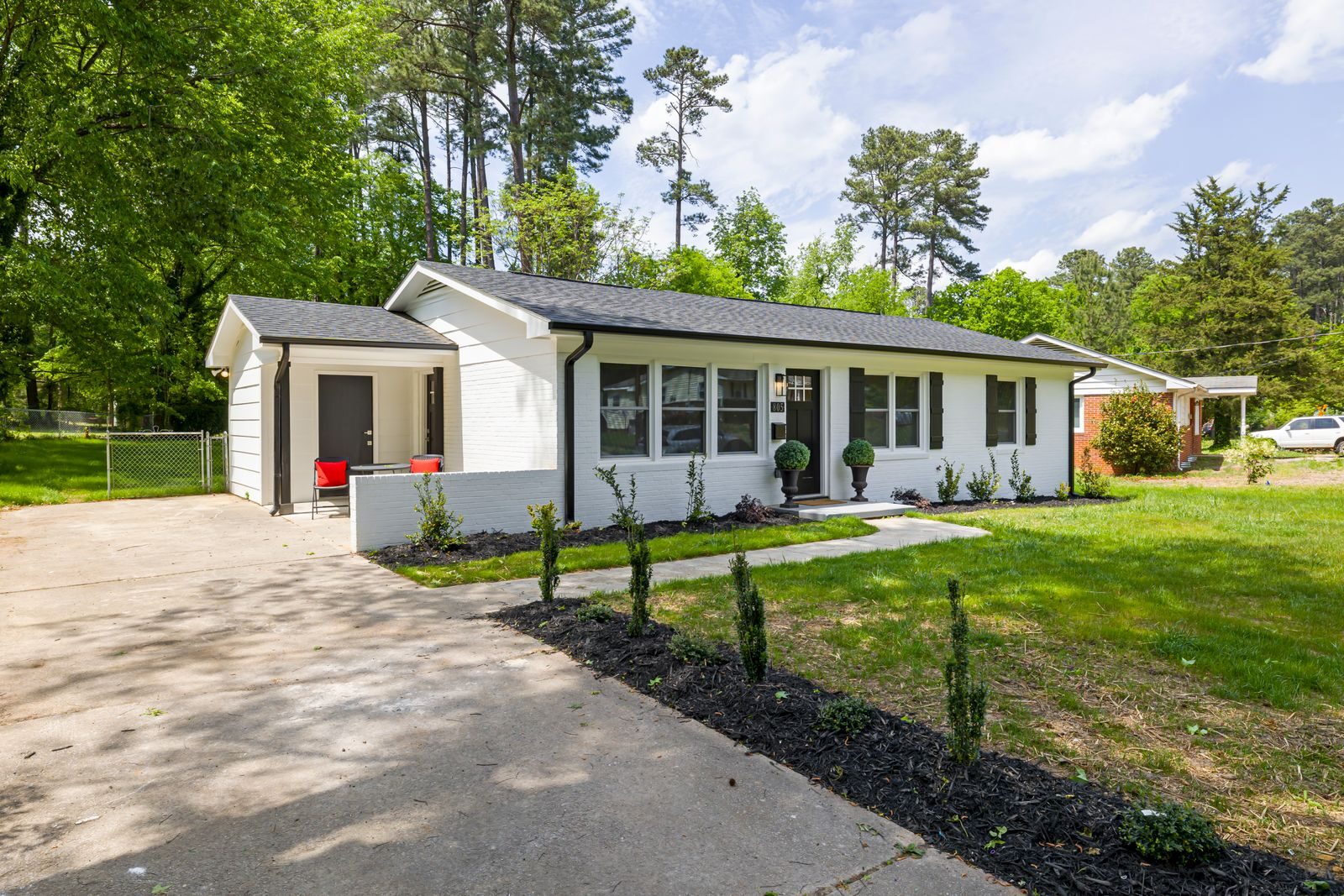
Homes built in 2015 are having a moment in today’s resale market. They’re not brand new anymore, but they’re not old either. They sit right in that sweet spot buyers love. These houses come with open floor plans, updated wiring, and energy-efficient systems. However, they’ve also had over a decade to settle in, which means fewer surprises than true new construction.
If you’re house hunting in 2026, you’ve probably noticed more of these listings popping up. Owners who bought in 2015 are now selling for all kinds of reasons. Some are relocating for work. Others are upsizing or downsizing as their families change. This guide walks through what made 2015-built homes stand out, what to check before you buy one, and how they compare to newer construction in today’s market.
Why Homes Built in 2015 Are Still in High Demand
2015 sat right in the middle of the post-recession building boom. Builders were finally recovering from the 2008 housing crash. As a result, they leaned hard into buyer-friendly features to compete for a still-cautious market. Open-concept kitchens, larger walk-in closets, and dual-zone HVAC systems became standard rather than upgrades.
That combination still appeals to buyers today. A home from this era typically has enough modern infrastructure to feel current. At the same time, it usually costs less than a brand-new build in the same neighborhood. That price gap has only grown as new-construction costs have climbed. Lumber, labor, and land have all gotten more expensive since 2015. So a well-maintained home from that year often represents genuine value.
What “Modern Features” Actually Meant in 2015
It helps to understand what “modern” meant eleven years ago, since standards have shifted since then. Most 2015 builds included granite or quartz countertops as a standard offering. Stainless steel appliances were common too, along with recessed lighting throughout main living areas.
On the tech side, builders were just starting to wire homes for smart features. Many 2015 houses have structured wiring panels or pre-installed conduit for future smart-home upgrades. That’s not the same as a fully smart house, but it makes upgrading much easier than in an older home. You’ll also often find tankless or high-efficiency water heaters, double-pane low-E windows, and improved attic insulation compared to homes built a decade earlier.
Energy efficiency was a growing priority by 2015 as well. Many builders offered Energy Star-certified options, and some municipalities had already tightened building codes around insulation and window performance. That means a lot of these homes run more efficiently than houses built in the early 2000s, even without major renovations.
The Real Advantages of Buying a Home Built in 2015 Today
There are a few practical reasons this age range appeals to today’s buyers. First, most of the “new construction” issues have already worked themselves out. Foundations have settled. Drywall cracks from initial settling have already been patched. Any early plumbing or electrical hiccups have usually been caught and fixed by a previous owner.
Second, these homes are old enough to have a track record, but young enough that major systems shouldn’t need replacement yet. A roof installed in 2015 with standard asphalt shingles typically has 10 to 20 more years of life left, depending on the material and local climate. HVAC systems installed then are approaching the middle of their typical lifespan, which usually runs between 15 and 20 years.
Third, buyers often get more house for their money compared to new construction. Builders are still dealing with higher material and labor costs in 2026, which keeps new-build prices elevated in most markets. A resale home from 2015 sidesteps a lot of that premium, especially in fast-growing metro areas across Texas, Florida, and the Carolinas.
How 2015 Homes Compare to Other Build Eras
It helps to see 2015 construction next to other common eras on the resale market. Homes from the 1990s often have smaller kitchens and fewer windows. Insulation standards were also weaker back then. Homes from the early 2000s usually have bigger floor plans. However, they often lack the energy-efficient systems that became standard by 2015.
Brand-new homes built today go further still. They typically include full smart-home integration. Many also come with solar-ready wiring and higher-efficiency HVAC equipment. But that added technology comes at a real cost. New-construction prices have climbed sharply since 2015 in most metro areas. A 2015-built home often lands in a practical middle zone. It offers modern comforts without the newest-construction price tag.
This middle position is exactly why these homes hold their value well. Buyers get a livable, efficient layout. They also avoid paying for features they may never use, like full home automation systems. That balance matters even more in today’s rate environment, where every dollar of purchase price affects the monthly payment.
Renovations and Updates Common in 2015 Homes Today
Many 2015-built homes have already been through at least one round of updates. Kitchens are a common target, since trends have shifted since 2015. White or gray cabinetry has become far more popular than the darker wood tones builders favored back then. Some sellers have swapped out original countertops for updated quartz or butcher block.
Flooring is another frequent update. Builders in 2015 often installed carpet in bedrooms and basic laminate elsewhere. Many owners have since replaced these with engineered hardwood or luxury vinyl plank, which holds up better and appeals to today’s buyers. Bathrooms sometimes get similar treatment, with updated fixtures, tile, and lighting replacing original builder-grade finishes.
A kitchen renovated in 2020 will hold up differently than one still running on original 2015 finishes. This context helps you judge both the home’s condition and how much more work, if any, you might want to take on yourself.
What to Check Before You Buy an Eleven-Year-Old Home
Even a great home from this era needs a careful look before you sign anything. A few areas deserve extra attention.
Roofing. Ask for the installation date and any warranty documentation. Most asphalt shingle roofs last 20 to 25 years, so a 2015 roof should still have plenty of life left if it was properly installed and maintained.
HVAC systems. Request service records if the seller has them. A well-maintained system from 2015 can still run efficiently, but you’ll want to budget for a replacement within the next several years if it hasn’t been serviced regularly.
Water heater. Tankless units often last 15 to 20 years, while standard tank units run closer to 10 to 15. Check which type is installed and how it’s held up.
Windows and seals. Double-pane windows from 2015 can start to show seal failure, which shows up as fogging between the panes. This is a cosmetic and efficiency issue rather than a structural one, but it’s worth factoring into your offer.
Smart-home wiring. If the listing mentions structured wiring or a tech panel, ask whether it’s been used or upgraded. Some early smart-home setups from this era are outdated compared to today’s standards, though the underlying wiring infrastructure is usually still useful.
A professional home inspection remains the best way to catch anything a listing description won’t mention. If you haven’t gone through the process before, our internal Home Inspection Checklist for First-Time Buyers walks through exactly what to expect and which red flags matter most.
How Much Do 2015-Built Homes Cost in 2026?
Pricing varies enormously by location, but a few national trends are worth knowing. Existing-home sales picked up modestly through the first half of 2026, and inventory has improved compared to the tight markets of recent years. That extra supply has given buyers a bit more negotiating room than they had a year or two ago.
Homes built around 2015 tend to price close to the broader resale market in their area, since age alone isn’t the biggest driver of value. Location, school districts, lot size, and recent updates matter more. That said, buyers should expect to pay a premium over homes from the 1990s or early 2000s, simply because 2015 builds usually need fewer near-term repairs.
Regional Hotspots for 2015-Era Homes Across the US
Certain parts of the country saw especially heavy homebuilding activity around 2015, which means more inventory in this age range today. Texas metros like Austin, Dallas-Fort Worth, and San Antonio all expanded rapidly during this period, driven by job growth and relatively affordable land. Florida markets, including Orlando, Tampa, and parts of the Jacksonville metro, also saw major subdivision growth around this time.
The Carolinas, especially the Charlotte and Raleigh areas, built extensively during this window too, drawing buyers with lower costs of living and strong job markets. Out west, parts of Arizona, particularly the Phoenix suburbs, and Nevada’s Las Vegas valley added large numbers of new subdivisions in 2015. If you’re searching in any of these regions, you’ll likely find a wide selection of homes from this exact era.
Financing a 2015-Built Home in Today’s Market
Mortgage rates have stayed elevated through much of 2026, which shapes how buyers approach any purchase, resale or new construction. According to Freddie Mac’s weekly Primary Mortgage Market Survey, the average 30-year fixed-rate mortgage has hovered in the mid-6% range for most of the year. That’s noticeably higher than the ultra-low rates buyers saw a few years ago, but it has also settled into a fairly stable pattern.
This rate environment makes the lower price point of a resale home even more appealing. A smaller loan amount on a 2015-built house can meaningfully reduce your monthly payment compared to financing new construction at a higher price. It’s worth getting pre-approved early and shopping multiple lenders, since even small rate differences add up significantly over a 30-year term.
Buyers should also budget for near-term maintenance, even on a well-kept home. Setting aside funds for a roof or HVAC replacement down the road is a smart move, regardless of how good the home looks on move-in day.
Questions to Ask Your Real Estate Agent or Inspector
Before making an offer, it helps to ask a few targeted questions. Start with the age and condition of major systems, including the roof, HVAC, and water heater. Ask whether the home has had any additions, remodels, or permit issues since it was built. Find out if the neighborhood has an HOA, and if so, what it covers and how much it costs.
Quick Buyer’s Checklist
- Confirm the roof’s installation date and remaining warranty
- Ask for HVAC service history and estimated remaining lifespan
- Check the water heater type and age
- Inspect windows for seal failure or fogging
- Ask whether smart-home wiring has been used or upgraded
- Get a full home inspection before closing
- Compare pricing against similar homes in the area, not just similar ages
- Get pre-approved and shop multiple mortgage lenders
Frequently Asked Questions
Are homes built in 2015 considered new construction? No, not anymore. In 2026, a home built in 2015 is roughly eleven years old. It still tends to have more modern features than older resale homes, but it no longer qualifies as new construction and won’t come with the builder warranties that new homes typically include.
What should I check first when buying an older resale home? Start with the roof, HVAC system, and water heater, since these are the most expensive components to replace. A professional inspection will confirm the actual condition of each system rather than relying on the listing description alone.
Are 2015-built homes more energy efficient than older houses? Generally, yes. Many builders were using Energy Star-certified appliances, better insulation, and double-pane low-E windows by 2015. That said, efficiency still depends heavily on how well the home has been maintained and whether any upgrades have been made since then.
Do homes from 2015 have smart-home technology? Some do, though usually in a limited form. Many builders included structured wiring or a tech panel to make future smart-home upgrades easier, rather than installing full smart-home systems themselves.
Is it cheaper to buy a 2015-built home than new construction? Usually, yes. New-construction costs have risen substantially since 2015 due to higher material, labor, and land prices. A well-maintained resale home from that era often costs meaningfully less while still offering many of the same conveniences.
How do current mortgage rates affect buying a home built in 2015? Mortgage rates have stayed in the mid-6% range through much of 2026. Since resale homes from this era typically cost less than new construction, buyers often see a lower monthly payment, even with today’s elevated rates.
What parts of the US have the most 2015-built homes available? Fast-growing metro areas saw the heaviest construction around 2015. That includes Texas cities like Austin and Dallas-Fort Worth, Florida markets like Orlando and Tampa, the Charlotte and Raleigh areas in the Carolinas, and suburbs around Phoenix and Las Vegas.
Should I get a home inspection even if the house looks well maintained? Yes, always. A home inspection catches issues that aren’t visible during a normal walkthrough, including roofing wear, HVAC inefficiencies, and early signs of plumbing or electrical problems. It’s one of the most important steps before closing on any resale home.
A home built in 2015 offers a genuinely appealing middle ground for today’s buyers. It brings enough modern conveniences to feel current, while avoiding the steep price tag that comes with brand-new construction. Just make sure you look closely at the big-ticket systems before you buy, since even a great house benefits from a clear picture of what’s ahead. With the right inspection and a solid financing plan, a 2015-era home can be a smart, comfortable choice in today’s market.