

Houston Heights listings pop up and disappear fast these days. It’s one of the tightest pockets of the local market right now. 1032 Walling Street is a good example why. It sits in North Norhill, a stretch that buyers and renters keep circling back to. Below, we’ll cover what’s happening at this address. We’ll also look at nearby streets. And we’ll share how to approach your next move if you’re house hunting in the Heights this summer.
A Look at 1032 Walling Street
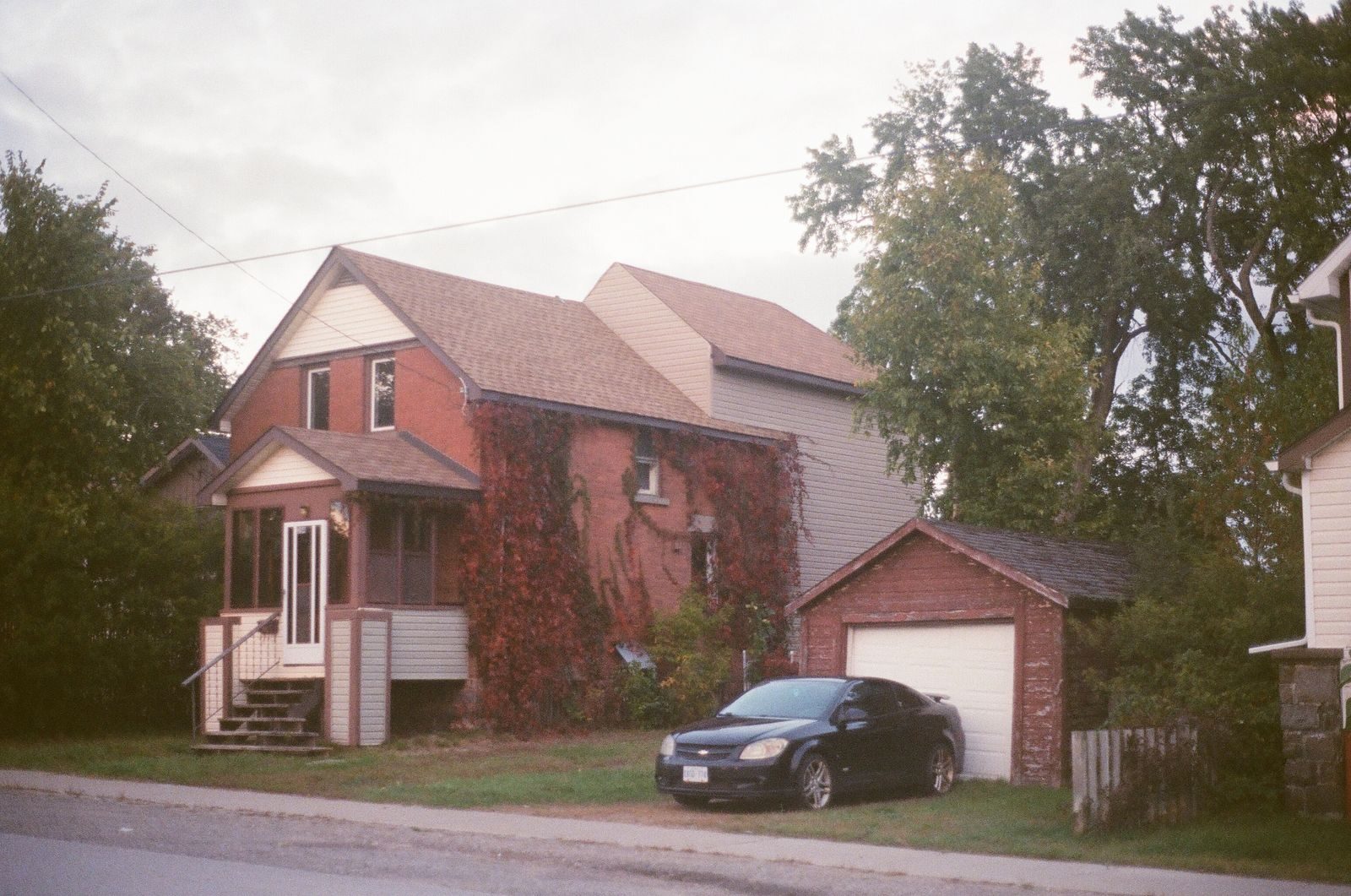
1032 Walling Street sits inside the Historic Norhill district. This pocket of Greater Heights is known for craftsman bungalows. Mature trees line most of the streets here. The home itself is a classic example of that style. It’s a 1930-built craftsman bungalow. It has three bedrooms and two bathrooms. The home offers roughly 1,292 square feet on a 5,000-square-foot lot. It’s currently listed as a rental at $2,595 a month. The listing highlights fresh paint and updated appliances. It also mentions refinished hardwood floors and an updated kitchen and bath.
What makes this address interesting isn’t just the home. It’s the location. Walling Street sits within walking distance of the Heights Blvd Trail. Several restaurants and bars are close by too. Downtown Houston is just a short drive away. Because of this, homes on this block tend to move fast. That’s true whether they’re listed for rent or for sale.
Not every listing under this address online is current, though. This home has appeared across several rental and MLS platforms. Older cached listings sometimes show up in search results. If you’re seriously considering this property, confirm its status directly. A licensed agent or the listing brokerage can verify pricing and availability.
Why North Norhill and Greater Heights Are Drawing So Much Attention
A single address only tells part of the story. So it helps to zoom out first. Greater Heights has posted strong price growth this year. As of February 2026, the median sale price reached $675,000. That’s up 3.8% year over year, per Redfin’s Greater Heights housing market data. It’s also a real premium over the broader city. Houston’s citywide median sits closer to $340,000 to $350,000, depending on the source.
The historic core of the Heights has been even hotter. Its median sale price hit $775,500 in April 2026. That’s the highest monthly figure in HAR’s records for the neighborhood since 2019. Meanwhile, the rest of Houston has been adding inventory. Prices there have softened slightly. Greater Houston is shifting toward a buyer-friendly market. The Heights is moving in the opposite direction.
This doesn’t mean every block behaves the same way, though. Pricing and days on market vary quite a bit. It depends on whether a home sits in the historic core, in North Norhill, or further out. Because of this, it helps to work with someone who tracks these micro-markets closely. Citywide averages alone won’t tell you much.
What Nearby Homes Tell Us About the Market
Nearby properties add useful context here. Take 1031 Walling Street, just across the block. It’s a smaller two-bedroom, one-bath home built in 1928. It offers roughly 1,133 square feet and is appraised around $560,000. Compare that to the active rental at $2,595 a month on the other side of the street. The gap tells you something important. Lot size and renovation status shift value a lot on this block. Even which side of the street you’re on can matter.
Homes for sale nearby vary quite a bit too. Expect a mix of untouched original bungalows and fully renovated craftsman homes. You’ll also find a smaller number of newer builds on subdivided lots. Norhill is part of a historic district, which matters for renovation plans. Exterior changes often require extra city review. That can affect your timeline if you plan to update the home after closing.
Local Context Buyers Should Know
Houston Heights isn’t just about charming architecture. A few practical realities matter here too.
Flood risk is one of them. Greater Heights carries a moderate flood risk overall. A notable share of properties face severe flood risk over coming decades, per First Street data reported through Redfin. Always check elevation certificates before closing. This matters most for older homes near bayous or low-lying streets.
Texas taxes are another factor. The state has no income tax, which appeals to many buyers. But property tax rates here run higher than in many other states. This trade-off is a common draw for buyers relocating from higher-tax coastal markets.
Hurricane season is worth planning around too. It runs from June through November each year. Wind and storm exposure are real considerations for coastal Texas buyers. Insurance costs in the Heights have been rising lately. Get a firm quote before finalizing any offer. Don’t assume last year’s premium will carry over.
Commute times matter more than they might seem, too. Norhill sits just minutes from downtown Houston. That’s a big part of why professionals want in. They get walkability without giving up quick highway access.
How to Approach Buying or Renting in This Market
Inventory in the historic Heights keeps tightening. Meanwhile, the rest of Houston is loosening up. This makes timing and preparation more important than usual. Homes here sell in about 10 days on average. Well-prepared properties have reportedly sold $35,000 to over $100,000 above list price. That’s not typical for a rental like 1032 Walling Street. But it’s a useful signal if you’re planning to buy nearby.
If you’re renting, move quickly once you find a fit. Rentals near the Heights Blvd Trail often get multiple applications within days. This is especially true in the $2,000 to $3,000 monthly range. If you’re buying, get pre-approved before you start touring homes. Sellers here are used to seeing competitive offers. They may skip buyers without financing lined up.
It also helps to widen your search a little. North Norhill might feel out of reach for some budgets. Nearby pockets like Woodland Heights, Timbergrove, and parts of Independence Heights offer similar character. Prices there tend to run a bit lower. For more detail on how these submarkets compare, check our Houston Heights neighborhood buying guide. It covers pricing by street and school zoning.
A Quick Snapshot for July 2026
Here’s where things stand this month. Greater Houston has more inventory than it’s had in years. Over 36,000 single-family homes are on the market citywide. The Heights hasn’t followed that trend, though. North Norhill hasn’t either. Prices remain elevated in this pocket. Days on market stay short for move-in-ready homes. Buyers should expect to compete, not negotiate, on the best listings.
Mortgage rates have eased a bit compared to last year. That’s helped affordability slightly, even with prices climbing here. If you’re serious about buying in this area, work with an agent who checks comps weekly. Monthly updates aren’t fast enough in this market. That difference can mean missing a listing entirely.
For deeper listing details, including tax records and school zoning, check the Houston Association of Realtors (HAR.com). It remains one of the most reliable public resources. Always verify current status before touring a home.
Frequently Asked Questions
Is 1032 Walling Street currently for sale or for rent?
It’s listed as a rental at $2,595 a month right now. It is not currently for sale. Older listings suggesting otherwise are likely outdated. Always confirm status with the listing agent first.
What is the average home price in Houston Heights right now?
Greater Heights sat around $675,000 as of February 2026. The historic Heights core hit a record $775,500 in April 2026. Prices vary a lot by location and renovation status.
Why are homes in the Heights selling faster than the rest of Houston?
Limited inventory is the main driver. Demand stays strong for walkability and historic character. Proximity to downtown adds to the pull. The broader Houston market has more listings and less urgency right now.
Is North Norhill considered a historic district?
Yes, it falls within a recognized historic area of the Heights. Certain exterior renovations may need city review first. Factor this into your timeline if you plan to remodel.
How much flood risk does the Heights neighborhood carry?
Greater Heights carries a moderate flood risk overall. A meaningful share of properties face risk over the next several decades. Always request a flood zone check before making an offer.
Are there more affordable alternatives near Houston Heights?
Yes. Woodland Heights, Timbergrove, and Independence Heights are good options. They offer similar bungalow-style architecture. Prices there tend to run somewhat lower than the historic Heights core.
How quickly do homes in this area typically sell?
Well-positioned homes sell in about 10 days on average as of mid-2026. Timing still varies by street and condition. Historic district status can also affect the pace.
Do property taxes in Houston offset the lack of state income tax?
Texas has no state income tax, which many buyers like. But property tax rates run higher than the national average. Calculate your full housing cost, including taxes and insurance, before deciding.