

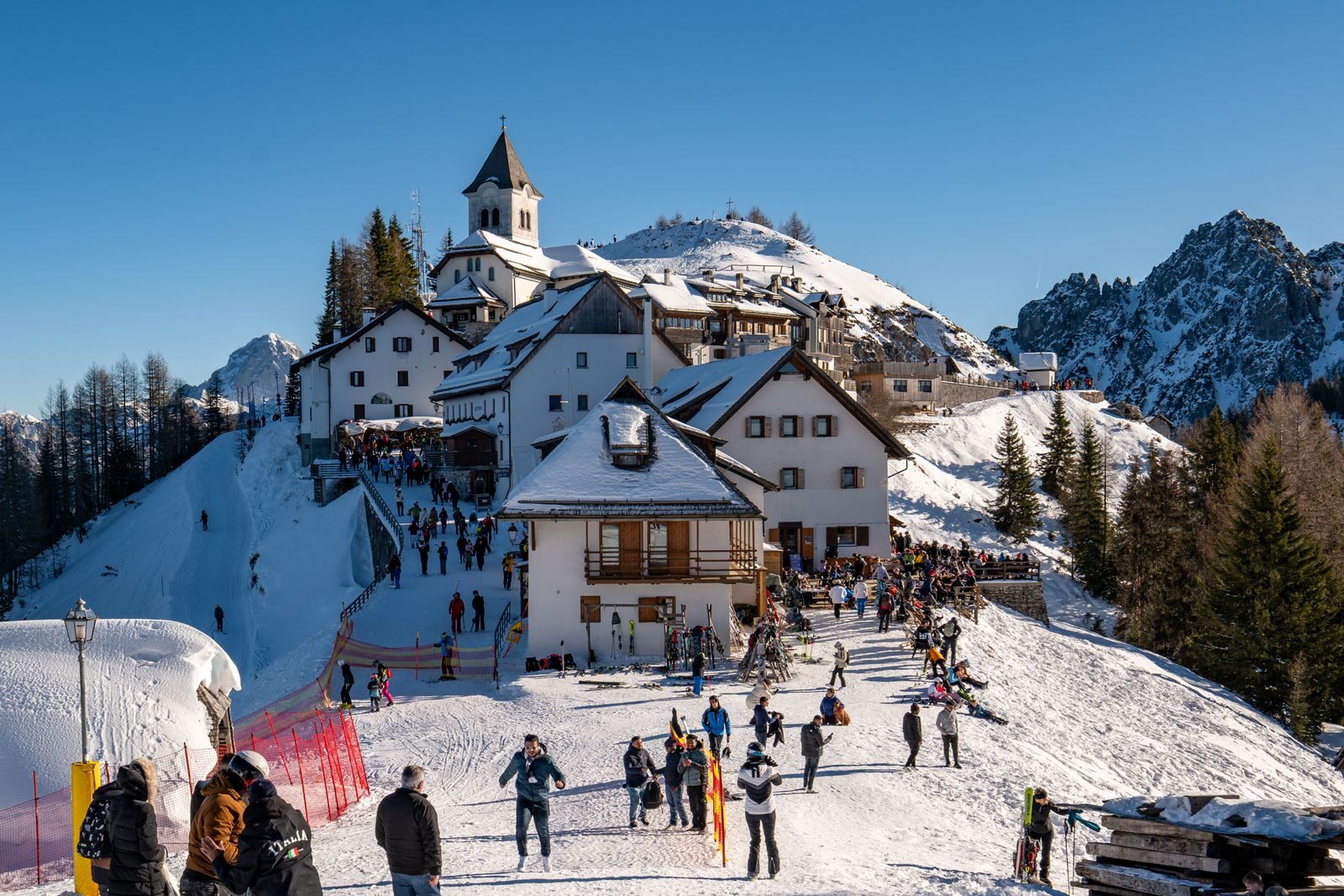
Planning a trip to the Dolomites in 2026? You’re not alone. Interest in this corner of northeastern Italy has climbed sharply since the Milano-Cortina Winter Olympics wrapped up this past February. Rental demand has followed right along with it.
Maybe you’re picturing a cozy wooden chalet with a wood-burning stove. Or perhaps you want a modern apartment with a balcony overlooking jagged limestone peaks. Either way, this guide walks you through everything you need to book the right place for your alpine escape.
I’ve spent time hopping between Val Gardena, Alta Badia, and Cortina d’Ampezzo over the past few summers. And I can tell you firsthand: choosing where to stay matters just as much as choosing when to go. A rental in the wrong valley can add hours to your daily hikes or ski runs. So let’s break down where to look, what to look for, and how to avoid common booking mistakes.
Why the Dolomites Are Worth the Trip in 2026
The Dolomites earned UNESCO World Heritage status back in 2009. That recognition still shapes how the region protects its landscape today. Consequently, you won’t find high-rise resorts crowding the valleys. Instead, small villages, family-run guesthouses, and scattered chalets define the area’s character.
This year brings something extra. The 2026 Winter Olympics left behind a real infrastructure boost. New cable cars, upgraded roads around Cortina, and renovated lodging stock mean better amenities across the board. As a result, travelers this summer and fall are finding higher-quality apartments. Prices, for now, haven’t fully caught up to the upgrades.
Meanwhile, the exchange rate has stayed fairly favorable for U.S. travelers throughout 2026. That makes European rentals feel more accessible than they did a few years back. That said, prices still spike during peak ski season, from late December through February. They climb again in July and August. So timing your booking really does matter.
Understanding the Main Regions Before You Book
Before comparing individual properties, it helps to understand the geography. The Dolomites aren’t one single destination. They’re a sprawling mountain range split across several valleys, and each one has its own personality.
Val Gardena is arguably the most popular base for first-time visitors. It offers direct access to the Alpe di Siusi, Europe’s largest high-altitude alpine meadow. It also connects easily to the Sella Ronda ski circuit in winter. Apartments here tend to be well-priced for the views you get.
Alta Badia leans more upscale. Expect polished chalets, Michelin-starred dining, and a slower, more refined pace. Families with a bigger budget often gravitate here.
Cortina d’Ampezzo, often called the “Queen of the Dolomites,” now carries fresh Olympic prestige. Rental rates here climbed noticeably this year. Even so, the town’s boutique shopping and dramatic scenery still justify the splurge for many visitors.
Val di Fassa offers a more budget-friendly alternative. It doesn’t sacrifice much in terms of access to trails and lifts. Additionally, it sits centrally, which makes day trips to other valleys fairly easy.
Kronplatz (Plan de Corones) and the Sesto/Tre Cime area round out the list. Both are known for dramatic hiking terrain. Both also tend to draw slightly quieter crowds than Cortina.
Chalets vs. Apartments: Which One Fits Your Trip?
This decision shapes your whole stay, so it’s worth thinking through carefully.
Chalets work best for families, groups, or anyone craving privacy. Most come with multiple bedrooms, a kitchen, and a living area with a fireplace. Many also include a terrace or garden. Luxury versions add hot tubs, saunas, and even private chefs. Expect nightly rates from around $300 for a modest three-bedroom chalet. Rates can climb past $4,000 for a fully staffed luxury property in Cortina during peak season.
Apartments, on the other hand, suit couples, solo travelers, or smaller families who don’t need extra space. They’re typically closer to village centers. That means easier walking access to restaurants and shops. Prices run considerably lower, often between $100 and $250 a night depending on season and location.
If you’re torn, ask yourself this: do you want a self-contained retreat away from the bustle? Or do you want to be in the middle of village life? Your answer usually points to the right category.
Top Chalet Picks for 2026
Several standout options are drawing attention this year. Guest reviews, availability, and overall value all point in their favor.
- Luxury chalets in Val Gardena, booked through boutique agencies like Le Collectionist, offer ski-in, ski-out access. Many include private pools and concierge service. These bookings sell out fast for winter 2026-2027, so book early.
- Family-friendly chalets near Selva di Val Gardena provide multiple bedrooms and fenced gardens. They also sit close to gentle hiking trails, which suits travelers with young kids.
- Cortina estate chalets sometimes sit close enough to walk to the Faloria ski lift. Many offer swimming pools and wellness areas for a fully indulgent stay.
- Arabba and Kronplatz chalets tend to be quieter and slightly more affordable. They still deliver ski-in access and sweeping mountain views.
Top Apartment Picks for 2026
A full chalet isn’t always necessary. These apartment styles consistently earn strong reviews from recent guests.
- Centrally located apartments in Ortisei sit within walking distance of the cable car up to the Alpe di Siusi. Cafes, bakeries, and grocery stores are close by too.
- Mountain-view apartments in Auronzo di Cadore offer a quieter, more local feel. They often cost a fraction of properties near Cortina.
- Modern units in Moena balance comfort with easy access to Val di Fassa’s trail network.
- Budget-conscious rooms in Lorenzago di Cadore provide simple, clean accommodations. That’s ideal for travelers who plan to spend most of their time outdoors anyway.
Where to Search: Booking Platforms Worth Comparing
Don’t rely on just one site. Availability and pricing can vary quite a bit across platforms, so it pays to cross-check.
Airbnb and Vrbo remain the go-to starting points for most travelers. They offer the widest range of apartments and smaller chalets. For higher-end options, boutique agencies specializing in Italian luxury rentals often provide better vetting and concierge support, though at a premium. Meanwhile, aggregator sites that pull listings from multiple sources can help you compare prices side by side before committing.
Whichever platform you choose, always read the most recent reviews rather than the overall rating. A property with a strong average score but a couple of recent complaints deserves a second look.
Best Time to Book Your Dolomites Rental
Booking timelines shift depending on your target season. For winter ski trips, especially anything tied to the post-Olympic buzz, aim to book six to nine months ahead. Summer hiking season is more flexible. Still, July and August fill up quickly, particularly for family-sized chalets.
Shoulder seasons, meaning late spring and early fall, tend to offer the best mix of lower prices and manageable crowds. If your schedule allows flexibility, September is often the sweet spot. The weather stays mild, summer crowds thin out, and rental rates drop noticeably.
For a deeper look at seasonal weather patterns and which months suit different activities, check out our complete guide to the best time to visit the Dolomites.
Practical Travel Information for U.S. Visitors
Traveling from the United States to the Dolomites takes a bit more planning than a domestic trip. Here’s what matters most right now.
Flights: Most U.S. travelers fly into Venice Marco Polo Airport or Innsbruck Airport. Both sit within a two-to-three-hour drive of the major Dolomites valleys. Milan Malpensa also works, though it adds extra driving time. Direct flights from major U.S. hubs to Venice are common seasonally. Innsbruck typically requires a connection through a European hub like Munich or Frankfurt.
Entry requirements: As of July 2026, the EU’s Entry/Exit System (EES) has been operational since April. That means border crossings now involve biometric checks like fingerprints and photos. However, the ETIAS travel authorization, originally expected to launch later this year, has faced additional delays. No firm start date has been confirmed as of this writing. In short, U.S. passport holders can still enter visa-free for now. Still, it’s worth checking the official EU travel authorization page closer to your departure date, since requirements could shift before you fly.
Currency and payments: The euro remains the currency throughout the region. Most rental hosts accept credit cards for the deposit and final balance. Smaller villages may still prefer cash for incidentals like local markets or bakeries.
Driving: Renting a car is genuinely the most practical option for exploring multiple valleys. Public transit is decent, but it doesn’t reach every trailhead or chalet driveway. Mountain roads can be steep and winding. If you’re visiting in winter, make sure your rental includes snow tires or chains.
Electrical outlets: Italy uses Type F and Type L plugs. U.S. travelers will need a plug adapter. Devices without dual voltage support will also require a converter.
Actionable Tips Before You Book
A few habits can save you both money and headaches once you’re on the ground.
First, always confirm whether the listed price includes cleaning fees, tourist tax, and utilities. These can add up quickly and aren’t always obvious in the initial quote. Second, message the host directly with questions about parking. Many alpine villages restrict vehicle access in historic centers. Third, ask about cancellation policies before paying a deposit, particularly if you’re booking far in advance.
On top of that, request recent photos if the listing images look older or inconsistent. Chalets and apartments in this region get renovated often. A photo from three years ago might not reflect current furnishings. Finally, consider travel insurance that covers trip interruption, especially given the evolving entry requirements mentioned above.
Making the Most of Your Stay
Once you’ve settled into your rental, resist the urge to over-schedule your days. The Dolomites reward a slower pace. Spend a morning hiking toward a rifugio for lunch. Then use the afternoon to explore the village and sample local specialties like canederli or speck. Simply take in the scenery from your terrace. Many chalets and apartments include kitchens for a reason: guests are expected to shop at local markets and cook a few meals in. That happens to be one of the more memorable parts of an alpine trip.
If you’re traveling with a car, plan one or two day trips to neighboring valleys. Don’t try to see everything from a single base. Driving distances are shorter than they look on a map. Still, mountain roads take longer to navigate than flat highways, so build in extra time.
Frequently Asked Questions
What is the best month to visit the Dolomites for a rental stay? September and early October offer the best mix of good weather, fewer crowds, and lower rental rates. July and August remain popular for families traveling with school-age kids.
How much does a Dolomites chalet rental typically cost? Basic chalets start around $300 per night. Luxury properties with full staff and amenities can run $2,000 to $4,000 or more, especially in Cortina during peak winter months.
Do I need a car to enjoy a Dolomites vacation rental? Yes, in most cases. Some villages have decent bus connections. Still, a rental car gives you far more flexibility to reach trailheads, ski lifts, and neighboring valleys on your own schedule.
Is Cortina d’Ampezzo more expensive than other Dolomites regions? Generally, yes. Cortina’s Olympic exposure this year pushed rental rates higher compared to Val Gardena, Val di Fassa, or Kronplatz. It still offers a distinctive upscale experience for those willing to pay for it.
Do U.S. citizens need a visa to visit the Dolomites in 2026? No visa is currently required for short stays. However, biometric checks through the EES system began in April 2026. Travelers should stay alert to any updates on the ETIAS authorization system before booking flights.
Are Dolomites vacation rentals family-friendly? Absolutely. Many chalets and apartments across Val Gardena and Val di Fassa cater specifically to families. Amenities often include fenced gardens, extra bedrooms, and proximity to gentle, kid-friendly hiking trails.
What’s included in a typical Dolomites apartment rental? Most apartments come fully furnished with a kitchen, linens, and Wi-Fi. Amenities like parking, breakfast, or cleaning services vary by listing, so always check the fine print before booking.
Should I book directly with a local agency or through a platform like Airbnb? Both work well. Local agencies often provide better vetting for luxury chalets and more personalized service. Platforms like Airbnb and Vrbo tend to offer wider selection and easier price comparison for standard apartments.
Final Thoughts
Choosing the right vacation rental in the Dolomites ultimately comes down to matching your travel style with the right valley and property type. Maybe you’re drawn to a rustic chalet in Val Gardena. Or perhaps a simple apartment near Ortisei suits you better. Either way, this region rewards travelers who plan ahead but stay flexible enough to enjoy the slower alpine rhythm once they arrive. Book early where you can. Ask direct questions of your host. And don’t be afraid to venture beyond the most famous towns, since some of the best value and quietest views sit just one valley over from the crowds.