

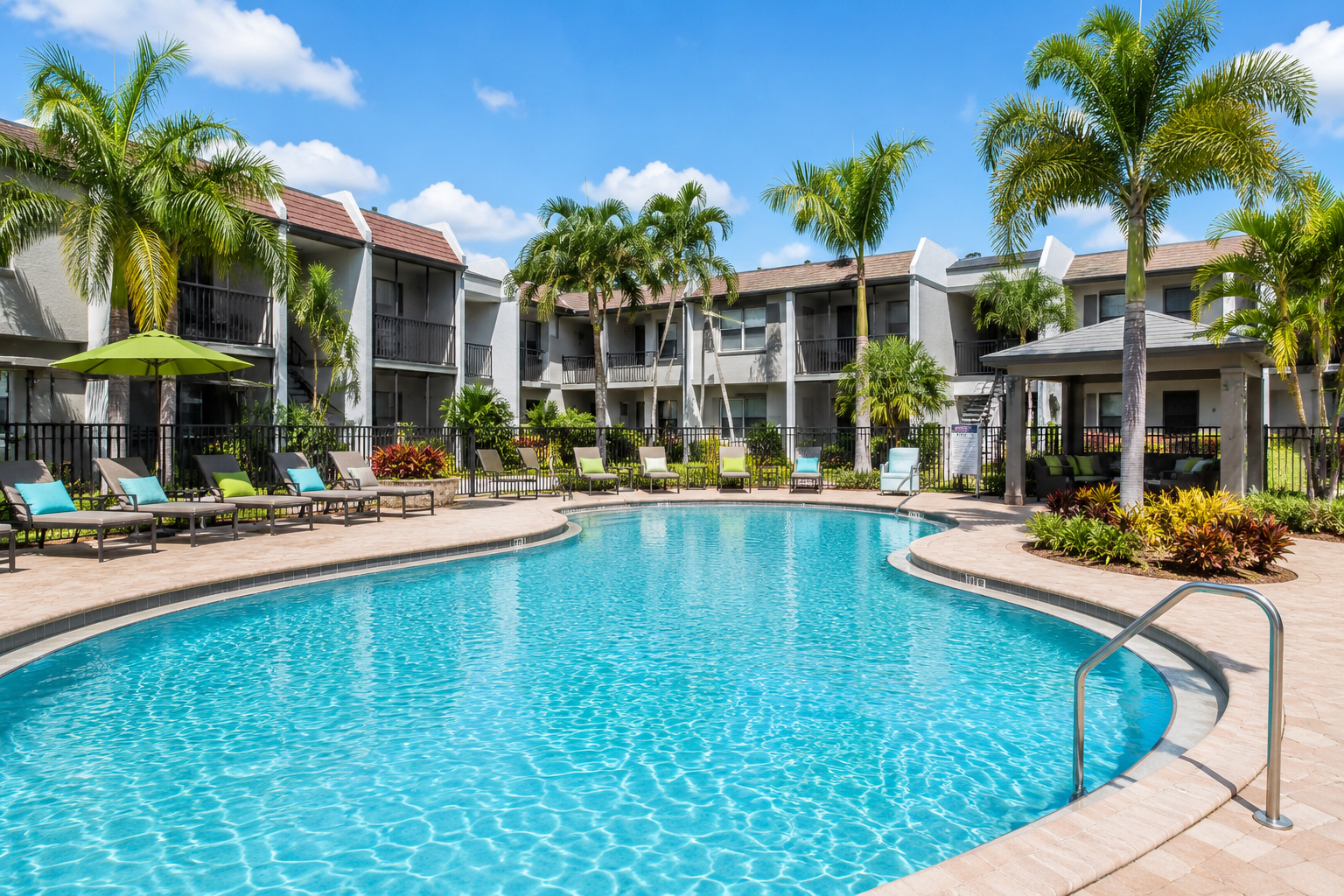
Have you been searching for apartments in Pinecrest, FL? Then you already know this village stands apart from most rental markets in South Florida. Pinecrest sits between Miami and Coral Gables. It blends small-town charm with big-city convenience. As a result, renters here enjoy tree-lined streets, top-rated schools, and quick access to Miami’s job centers, all within one zip code.
This guide walks you through everything you need before you sign a lease in Pinecrest. We will cover current rental prices, popular neighborhoods, amenities worth prioritizing, and practical tips based on how the local market works in 2026. Whether you are relocating for work, moving closer to family, or simply upgrading your space, this article will help you make a confident decision.
Why Renters Are Choosing Pinecrest, FL
Pinecrest became an official village in 1996. Since then, local leaders have protected its low-density character. Much of Miami-Dade County keeps adding high-rises, but Pinecrest has kept its wide lots and mature tree canopy intact. Because of this, the area feels more like a quiet residential retreat than a typical Miami suburb.
Still, Pinecrest is not isolated. The University of Miami sits just a short drive north. Residents can also reach Coral Gables, South Miami, and Downtown Miami in about 20 to 30 minutes, depending on traffic. So many professionals choose Pinecrest specifically because it offers a peaceful home base without cutting off access to the city.
Families are drawn here too. The school district plays a huge role in that. Pinecrest sits within some of the highest-rated public school zones in Miami-Dade County. Naturally, this pushes up demand for both rental homes and apartment communities in the area. If you are moving with kids, this is probably one of the biggest reasons Pinecrest made your shortlist in the first place.
Current Rental Prices in Pinecrest, FL (2026 Update)
Rental pricing in Pinecrest varies a lot. It depends on whether you’re looking at apartment communities or single-family rental homes. So let’s separate the two.
For apartment-style rentals, the average rent in Pinecrest sits around $1,923 per month. That’s somewhat higher than the national average of roughly $1,661. Let’s break this down by unit size. One-bedroom apartments typically range from about $1,500 to $4,589, averaging around $2,613. Two-bedroom units run from roughly $1,905 to $7,508. The gap depends on the building, finishes, and amenities offered.
Three-bedroom apartments and townhome-style rentals climb even higher. You’ll find three-bedroom listings ranging from about $2,680 to $10,491. This wide range reflects the gap between older garden-style communities and newer luxury developments.
Keep one thing in mind, though. Broader market snapshots often blend apartments with single-family home rentals. That mix paints a very different picture. Some citywide averages climb well above $6,000 per month once large single-family homes enter the equation. But if you’re apartment hunting specifically, rather than browsing detached houses, the apartment-focused figures above will give you a much more realistic budget target.
Here’s one more useful number. To comfortably afford a one-bedroom apartment in Pinecrest, most financial guidelines suggest an annual household income of around $76,000. This follows a simple rule: rent shouldn’t exceed roughly 30 percent of your gross monthly income. Most lenders and property managers still use this benchmark when they review rental applications.
What Pinecrest Apartment Communities Actually Look Like
Pinecrest has historically favored single-family zoning. Because of that, apartment communities here tend to run smaller and more boutique than the towering high-rises you’d find in Brickell or Downtown Miami. Pinecrest’s apartment buildings average about 38 years old. However, roughly 39 percent of them went up after 2000. So you’ll find a genuine mix of established mid-century properties alongside newer, amenity-rich developments.
Most rentals lean toward one- and two-bedroom layouts. One-bedroom floorplans make up about 57 percent of available apartments. Two-bedroom units represent around 38 percent. Studio apartments show up far less often. They make up only a small slice of the overall inventory. So if a studio fits your budget best, expect fewer choices and a more competitive search.
Building style matters too. Roughly 61 percent of Pinecrest’s rental communities are low-rise, garden-style buildings. This usually means more green space, quieter common areas, and a slower pace overall. It matches Pinecrest’s general character, where privacy and space tend to matter more than sky-high views.
Popular Amenities to Look For
Pinecrest apartments span a wide range of ages and price points, so amenities vary a lot from property to property. Still, a few features consistently stand out and make a real difference.
First, check parking and building access. Many newer communities include controlled entry, elevators, and dedicated garage parking. This matters if you own a car and want secure, covered storage. Older garden-style buildings often offer surface lot parking instead. Confirm this detail before you tour.
Second, look closely at outdoor and wellness features. Given Pinecrest’s climate and lifestyle, renters often prioritize pools, fitness centers, and walk-in closets. Many properties now compete specifically on these amenities. Do you have a pet? Then ask about dog parks and pet policies upfront. Not every building allows pets, and those that do may charge extra monthly fees.
Third, pay close attention to included utilities and required fees. Many listings advertise a base rent. However, several properties bundle mandatory monthly fees for trash, pest control, or amenity access right into the total cost. Always ask for the full monthly total, not just the advertised base rent. That way, you can compare properties accurately.
Neighborhoods and Local Context Within Pinecrest
Pinecrest is compact, but it still has distinct pockets worth understanding before you commit to a lease.
The area near US-1, the main commercial corridor, holds the highest concentration of apartment buildings. Commercial zoning allows multifamily development there, so that’s simply where most apartments cluster. If walkability to shops and restaurants matters to you, this corridor is generally your best bet.
Meanwhile, single-family homes dominate Pinecrest’s residential interior. Still, you’ll occasionally find townhome rentals or smaller apartment buildings tucked between larger houses. Pinecrest also hosts major shopping destinations, including the Falls Shopping Center. It offers everything from high-end retailers to popular national chains. This gives residents a convenient mix of dining and retail without leaving the village.
For culture and outdoor recreation, Pinecrest Gardens stands out as the community’s centerpiece. This park regularly hosts local events, including seasonal arts festivals that draw visitors from across South Florida. Do community programming and green space matter to you? Then living near Pinecrest Gardens can offer a meaningful lifestyle upgrade.
Public transportation, however, remains limited. Bus routes do connect Pinecrest to nearby areas. Even so, most residents rely on a car for daily commuting and errands. Are you moving from a more transit-dependent city? Budget time to adjust, and factor parking availability into your apartment search.
Actionable Tips for Renting in Pinecrest
Finding the right apartment in a competitive, high-demand village like Pinecrest takes some strategy. Here are several practical steps that can genuinely improve your search.
Start by getting pre-qualified financially before you tour anything. Pinecrest attracts a lot of demand relative to its limited apartment inventory. Because of that, desirable units can move fast. Get your income documentation, credit report, and rental history ready ahead of time. Then you can submit an application the same day you tour, which can make a real difference.
Next, compare total monthly costs rather than base rent alone. As mentioned earlier, many buildings add mandatory fees for amenities, trash valet, or pest control. A unit with a lower base rent might actually cost more per month once these fees stack up. So always request an itemized breakdown before you sign anything.
It also helps to tour at different times of day. Pinecrest’s tree-lined streets look beautiful, but noise levels near US-1 can shift a lot between daytime and evening hours. Are you sensitive to street noise, or do you need quiet for remote work? Visit during a weekday afternoon, then again in the early evening. You’ll get a much clearer picture that way.
Additionally, ask directly about school zoning if you have kids or plan to soon. Even a short distance can shift which elementary, middle, or high school your address feeds into. School assignment is one of the biggest reasons families choose Pinecrest over neighboring areas in the first place.
Finally, read the lease renewal terms closely before you sign your first lease. Rent increases at renewal can vary a lot between individually owned buildings and large corporate-managed communities. Ask the leasing office directly about typical renewal increases. This simple question can save you from an unpleasant surprise twelve months down the road.
Are you also weighing options outside Pinecrest? Our broader guide to apartments for rent in Miami-Dade County breaks down pricing and neighborhoods across the wider metro area. It can help you compare Pinecrest against other nearby communities before you make a final decision.
Want more rental data and current listings? Check Apartments.com’s Pinecrest, FL page for regularly updated pricing trends and available inventory. It’s a solid resource to check alongside this guide.
Is Pinecrest Right for You?
Ultimately, Pinecrest works best for renters who value space, quiet streets, and strong schools. It also suits people who don’t mind relying on a car for daily errands. Families, graduate students near the University of Miami, and professionals who want a residential retreat near Miami’s job centers tend to love it here.
On the other hand, do you prioritize nightlife, walkable urban density, or extensive public transit? Then neighborhoods closer to Downtown Miami or Coral Gables might suit your lifestyle better. Pinecrest simply isn’t built around that kind of energy. That’s very much the point for the people who choose to live there.
Either way, take time to compare total costs, tour at different hours, and clarify school zoning before you sign. These steps will put you in a much stronger position once you find the right unit.
Frequently Asked Questions About Pinecrest, FL Apartments
What is the average rent for an apartment in Pinecrest, FL? Apartment-specific rents in Pinecrest generally average around $1,923 per month. Pricing shifts based on bedroom count, building age, and included amenities. One-bedroom units often average in the mid-$2,000s, while two-bedroom units usually run higher.
Is Pinecrest, FL a good place to rent an apartment? Yes, especially if you want quiet residential streets, strong public schools, and easy access to both the University of Miami and Downtown Miami. It suits transit-first, walkable lifestyles less well.
Do I need a car to live in Pinecrest? In most cases, yes. Public transit exists, but it stays limited. Most residents rely on personal vehicles for commuting, errands, and evening plans outside the immediate area.
Are utilities usually included in Pinecrest apartment rent? It depends on the property. Some buildings bundle water, trash, and pest control into a mandatory monthly fee added to base rent. Others require tenants to set up utilities on their own. Always ask for a full monthly cost breakdown before you sign a lease.
What income do I need to afford a one-bedroom apartment in Pinecrest? Based on standard affordability guidelines, you’d need an annual household income of roughly $76,000. This keeps you within the recommended 30 percent income-to-rent ratio for a one-bedroom unit.
Are pets allowed in Pinecrest apartment communities? Many communities do allow pets, often with extra monthly pet rent or a one-time fee. Policies vary a lot by building. Confirm breed restrictions, weight limits, and costs directly with each leasing office.
What neighborhoods within Pinecrest have the most apartment options? The corridor along US-1 holds the highest concentration of multifamily apartment buildings. Zoning there allows denser commercial and residential development, unlike Pinecrest’s interior, which single-family homes dominate.
How competitive is the Pinecrest rental market right now? Demand stays steady, thanks to Pinecrest’s school district and location, though rent growth has cooled somewhat in recent reports. Well-priced units in good condition still lease quickly. So get your finances ready before you start touring.