

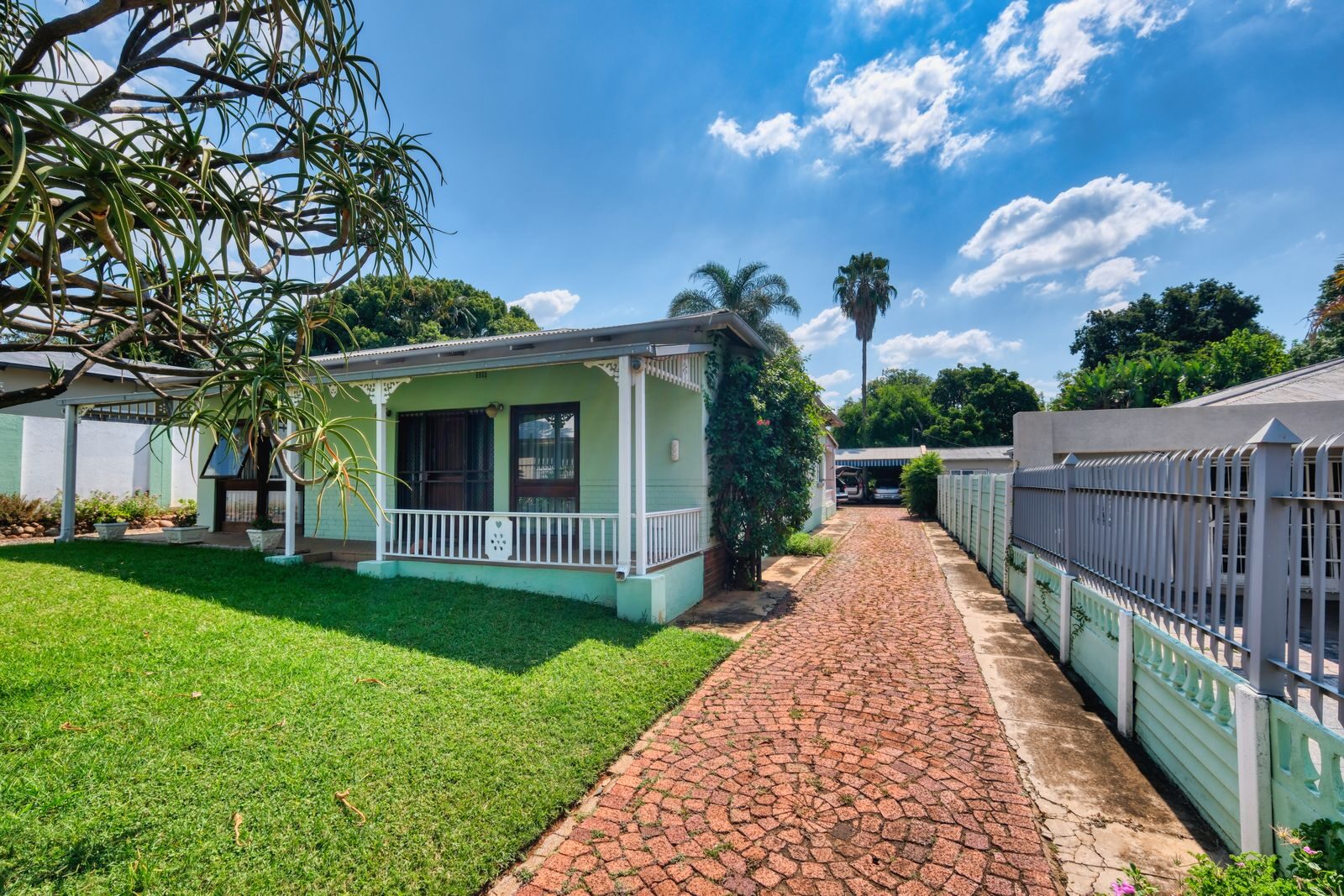
Searching for a five bedroom house for rent often comes with more questions than answers, especially when you’re weighing space, location, and monthly cost all at the same time. Still, if you’re raising a family, housing multiple generations under one roof, or splitting rent with roommates who need their own breathing room, a five bedroom rental could be the perfect fit. This guide covers what you need to know before signing a lease, including current market conditions, how to judge a property properly, and which questions to ask before you commit to anything.
As of July 2026, rental demand across the United States keeps tilting toward larger homes, particularly in suburban neighborhoods and mid-sized metro areas. Remote and hybrid work arrangements haven’t gone away for a lot of households, so families increasingly need room for home offices, guest bedrooms, and shared living areas. So if you’ve been hunting for a spacious family home, you’re far from alone in that search.
Why Demand for 5 Bedroom Rentals Is Rising in 2026
Rental demand for larger homes has climbed steadily over the past several years. Families continue to prioritize space over living close to a downtown core, partly because hybrid schedules have become the norm instead of the exception. On top of that, multigenerational living arrangements have grown more common, with adult children, aging parents, and extended relatives sharing one household to manage rising costs together.
According to data from the U.S. Census Bureau, the number of multigenerational households in the United States has grown noticeably over the past two decades, and nothing suggests that trend is slowing down. This shift feeds directly into demand for larger rental properties, especially homes with four or more bedrooms.
Meanwhile, plenty of landlords have responded by converting single-family properties into long-term rentals instead of selling them off. Because of this, renters today often find more spacious options than they would have five years ago, particularly across suburban markets in states like Texas, Florida, Ohio, and North Carolina.
What to Expect From a Spacious 5 Bedroom Family Home
A well-designed five bedroom home usually delivers far more than extra sleeping space alone. Most listings in this category tend to include:
- A primary bedroom with an en-suite bathroom
- Four more bedrooms suited for children, guests, or a home office
- Two to three full bathrooms
- An open-concept kitchen and living area
- A dedicated dining room or breakfast nook
- A finished basement or bonus room
- A two-car garage or covered parking
- A fenced backyard, which matters a lot for families with pets or young kids
Since these homes are designed with families in mind, many also come with laundry rooms, mudrooms, and extra storage closets. These small touches make everyday routines noticeably smoother, especially for households juggling school schedules, work demands, and the usual daily chaos.
Key Features to Look For When Renting a Large Home
Before signing anything, it helps to walk through a checklist during your property tour. Because five bedroom homes vary widely in layout and condition, comparing your options carefully will save you both time and money later on.
Layout and Room Placement
Notice where each bedroom sits within the home. Some properties place every bedroom upstairs, while others split them across two floors. If you have older kids or in-laws moving in with you, a split layout can offer everyone a bit more privacy.
Storage and Closet Space
Large families tend to accumulate a surprising amount of stuff over time. That means closet space and storage areas matter more than they might seem at first. Walk-in closets, pantry space, and garage storage can make a real difference in day-to-day organization.
Outdoor Space
A fenced yard often ranks high on the priority list for families with children or pets. On top of that, a patio or deck adds valuable outdoor living space, especially during warmer months across states like Arizona, Georgia, and California.
School District Quality
For families with school-age kids, the surrounding school district can matter just as much as the home itself. Most rental platforms now list school ratings directly, so it’s worth checking before you schedule a tour.
Utility Costs and Energy Efficiency
Bigger homes naturally bring higher utility bills. As a result, it’s smart to ask the landlord about typical monthly costs for heating, cooling, and water. Homes with updated insulation, newer HVAC systems, or solar panels can meaningfully lower your monthly expenses.
Average Rental Costs Across the U.S. in 2026
Rental prices for five bedroom homes swing widely depending on region, though nationally, families should expect to pay more for space in this category compared to smaller units. Suburban markets across the Midwest and parts of the South tend to offer more affordable choices, while coastal cities and major metro suburbs remain considerably pricier.
For instance, a five bedroom home in a suburb outside Columbus, Ohio, or Charlotte, North Carolina, may rent for noticeably less than a similar property near Austin, Texas, or Denver, Colorado. Since pricing shifts by season and local demand, comparing several listings before deciding is always a smart move.
If you want a clearer picture of current rental trends in your specific area, checking recent data from a trusted source like HUD’s Fair Market Rent database can give you a realistic benchmark before you start touring homes.
Tips for Renting a 5 Bedroom House the Right Way
Renting a larger home is a bigger commitment, both financially and logistically. Consequently, it pays to slow down and do your homework before signing anything.
1. Get Pre-Approved for Rental Budgeting
Before touring homes, work out exactly what you can comfortably afford each month, including utilities, renters insurance, and any maintenance responsibilities you might be expected to handle. Many financial experts suggest keeping total housing costs under 30 percent of monthly income.
2. Ask About Maintenance Responsibilities
Larger homes come with more systems to maintain, from HVAC units to lawn care. So it helps to clarify upfront who handles repairs, lawn maintenance, and seasonal upkeep like gutter cleaning or snow removal.
3. Inspect the Home in Person
Photos can be deceiving, so always schedule an in-person walkthrough whenever you can. Look closely at water damage, wall cracks, and the condition of major appliances.
4. Review the Lease Terms Carefully
Since five bedroom rentals often involve longer lease terms, read every clause related to renewal options, pet policies, and early termination fees. If anything feels unclear, ask the landlord or property manager to walk you through it before signing.
5. Consider Future Needs
If your family is growing, or if a parent might move in down the road, think ahead about whether this particular home will still fit your needs in a year or two.
For renters getting their paperwork together ahead of a lease signing, our complete rental application checklist walks through everything landlords typically ask for, from proof of income to references.
Best U.S. Regions for Spacious Family Rentals in 2026
While five bedroom homes exist nationwide, certain regions consistently offer better value and availability for families who need extra space.
The Midwest continues to provide some of the most affordable large-home rentals in the country, particularly in cities like Indianapolis, Columbus, and Kansas City. Lower cost of living paired with strong school districts makes this region especially attractive for families.
The Southeast, including cities like Charlotte, Nashville, and Atlanta, has experienced steady population growth, which has increased both housing supply and rental competition. Even so, suburban areas just outside these cities often deliver excellent value for larger homes.
Texas remains a popular pick for families needing more space, thanks to relatively affordable rents combined with no state income tax. Cities like San Antonio, Fort Worth, and suburbs around Dallas carry plenty of five bedroom rental inventory.
The Pacific Northwest and California, on the other hand, tend to run higher on rental prices overall. That said, suburban areas further from major city centers can still offer reasonably priced options for larger households.
How to Search Effectively for a 5 Bedroom Rental
Finding the right home takes strategy, not just luck. Start by setting clear filters on rental platforms for bedroom count, price range, and preferred neighborhoods. From there, widen your search radius slightly if listings feel thin, since nearby suburbs often carry more inventory and better pricing.
It also helps to set up alerts across multiple rental platforms so you hear about new listings the moment they match your criteria. Because larger homes tend to rent faster than smaller units, being among the first applicants can make a real difference.
Finally, don’t hesitate to reach out to property managers directly, even if a listing seems out of date online. Sometimes homes become available before they’re formally listed, particularly right after a previous tenant gives notice.
Making the Most of Your New Spacious Home
Once you’ve found the right five bedroom rental, take some time to plan how you’ll actually use the space. Assigning a clear purpose to each room, whether that’s a home office, playroom, or guest suite, keeps a larger home organized and functional.
It also helps to set up a simple household maintenance calendar to track tasks like HVAC filter changes, gutter cleaning, and seasonal yard work. Staying ahead of upkeep protects your security deposit and keeps the home comfortable throughout the year.
Frequently Asked Questions
1. How much does it typically cost to rent a 5 bedroom house in the U.S.? Rental costs vary widely by region, but families should generally expect to pay more than they would for a three or four bedroom home. Suburban Midwest and Southern markets tend to offer more affordable pricing compared to coastal metro areas.
2. What credit score do I need to rent a large family home? Most landlords look for a credit score of 620 or higher, though requirements shift depending on the property owner and local market. Some landlords accept lower scores if you offer a larger security deposit or bring on a co-signer.
3. Are utility costs significantly higher for a 5 bedroom house? Yes, larger homes typically bring higher heating, cooling, and water costs simply due to the extra square footage. Asking the landlord for average utility bills from previous tenants can help you budget more accurately.
4. Do 5 bedroom rentals usually allow pets? Pet policies vary from property to property, so it’s worth asking directly before applying. Many single-family rentals turn out to be more pet-friendly than apartment complexes, though some may charge an additional pet deposit or monthly fee.
5. How long are lease terms for larger rental homes? Most five bedroom rentals require a 12-month lease, though some landlords offer longer terms for added stability. Shorter-term leases are less common for larger single-family homes.
6. Is it better to rent or buy a 5 bedroom home in 2026? This depends heavily on your financial situation, local market conditions, and how long you plan to stay in the area. Renting offers flexibility and fewer maintenance headaches, while buying builds long-term equity if you’re settling in for several years.
7. What documents do I need to apply for a large rental home? Typically, landlords ask for proof of income, a valid ID, rental history, and references from previous landlords. Some property managers also run a background and credit check as part of the application process.
8. Are 5 bedroom homes harder to find than smaller rentals? In some markets, yes, since demand for larger homes has grown in recent years. Widening your search area slightly and setting up listing alerts can help you find available homes more quickly.
Final Thoughts
Renting a five bedroom house takes a bit more planning than renting a smaller apartment, but the payoff is well worth it for families who need extra space, privacy, and flexibility. By researching local rental trends, inspecting properties carefully, and asking the right questions upfront, you can find a spacious family home that fits both your lifestyle and your budget. As the market keeps evolving through 2026, staying informed and acting quickly on strong listings will give you the best shot at landing the right home for your family.