

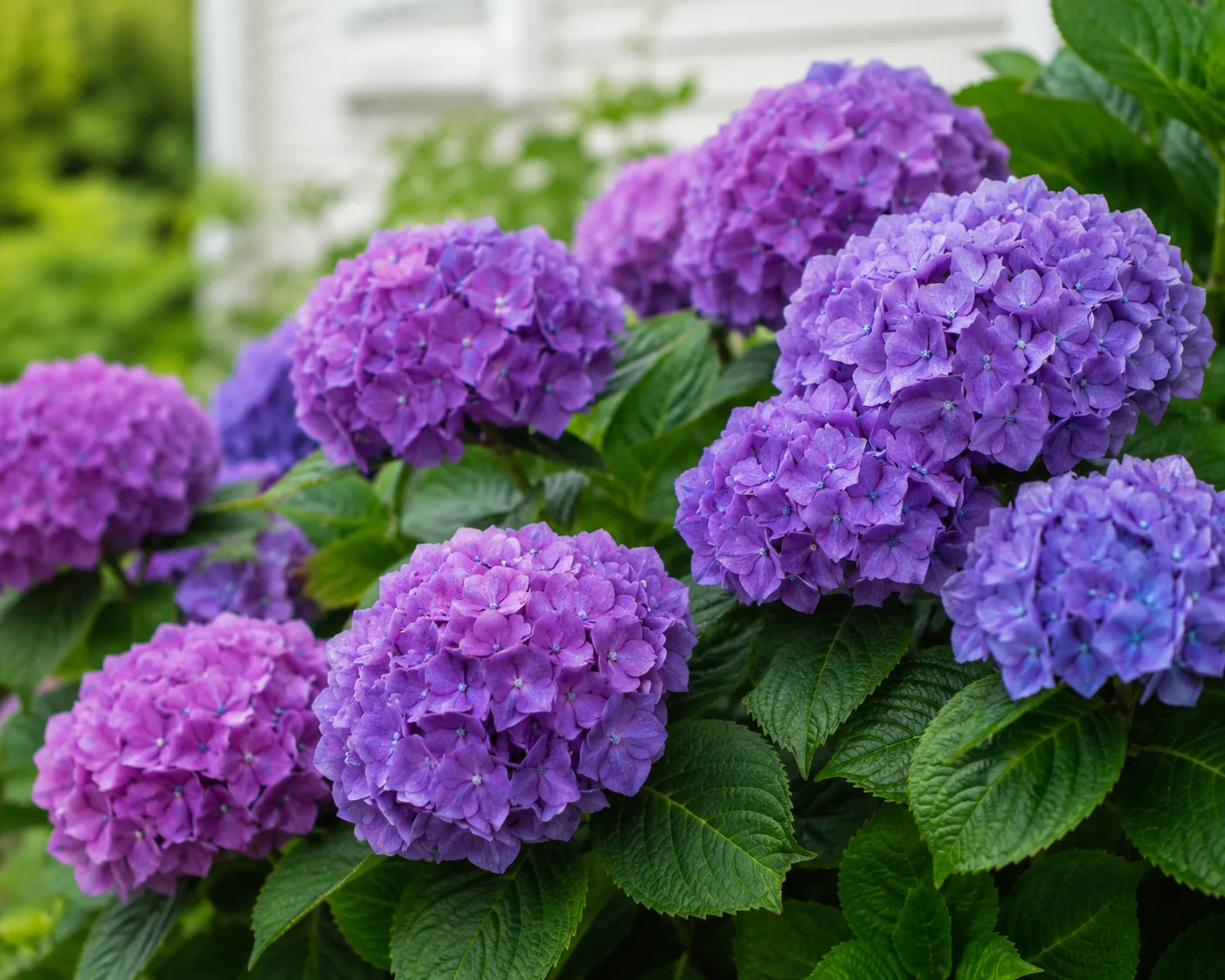
Few garden colors spark as much curiosity as a true purple hydrangea. Unlike most flowering shrubs, this one doesn’t come in a fixed color from the nursery. The exact shade you get depends largely on what’s happening underground. Your soil chemistry matters more than which cultivar you bought. That makes purple hydrangeas equal parts rewarding and occasionally frustrating for gardeners chasing a specific shade.
This guide covers exactly what makes purple hydrangeas turn purple, how fast they grow, and which USDA zones support them best. You’ll also get step-by-step planting tips and troubleshooting advice. That way, you can chase that perfect purple bloom with realistic expectations rather than guesswork.
What Makes a Hydrangea Turn Purple?
Purple hydrangea color comes down to one factor more than any other: soil pH. Specifically, it’s about how that pH affects aluminum availability in the soil. This applies primarily to bigleaf hydrangeas, botanically known as Hydrangea macrophylla, since these are the varieties that shift color based on soil chemistry. White-flowering varieties, along with most panicle and smooth hydrangea types, don’t change color regardless of soil pH. So if you’re chasing purple blooms specifically, confirm you’re working with a color-responsive bigleaf cultivar first.
Acidic soil, generally below pH 5.5, makes aluminum more available to the plant’s roots. That pushes blooms toward blue. Alkaline soil, above pH 7.0, binds that aluminum and locks it away from the plant instead, which pushes blooms toward pink. According to the University of Connecticut’s Home Garden Education Center, it’s this lower soil pH that makes aluminum ions available to bigleaf hydrangeas and produces blue blossoms. That explains why the same principle in reverse pushes blooms toward pink in alkaline soil. Purple sits in the middle of that spectrum. A neutral to slightly acidic soil pH, roughly 5.5 to 6.5, allows just enough aluminum uptake to produce that classic purple-blue blend without tipping fully into either blue or pink.
Getting the exact purple shade you want takes patience. Color change typically takes one to two full growing seasons to show clearly. Don’t expect a soil amendment applied this spring to produce dramatically different blooms by summer.
How to Test and Adjust Your Soil for Purple Blooms
Before attempting any soil amendments, test your existing soil pH first. Soil test kits are widely available at garden centers. You can also send a sample to your local agricultural extension office for a more precise reading. Skipping this step and guessing at amendments wastes both time and money, since you might already be closer to the purple range than you think.
If your soil tests too acidic and your blooms are leaning blue, work agricultural lime into the soil. This gradually raises the pH toward that 5.5 to 6.5 sweet spot. If your soil tests too alkaline and blooms are leaning pink, apply aluminum sulfate instead. Use roughly one tablespoon per gallon of water, applied a few times during early spring, to nudge the pH down and increase aluminum availability.
Reapply amendments gradually rather than all at once, and retest your soil periodically throughout the growing season. Overcorrecting in either direction is a common mistake. It can stress the plant unnecessarily on top of missing your target color.
Growth Rate and Mature Size
Purple hydrangeas, like most bigleaf varieties, grow at a moderate pace under good conditions. Most established plants reach their mature size within three to four years of planting, rather than showing dramatic growth in a single season.
At maturity, standard bigleaf hydrangea varieties typically reach 3 to 6 feet tall and equally wide. The exact size depends on the specific cultivar and growing conditions. Some compact cultivars, bred specifically for smaller gardens or container growing, stay noticeably more contained, often maxing out around 2 to 3 feet. If you’re working with limited space, check a cultivar’s specific mature size before planting. That step saves you from an oversized shrub crowding a tight bed a few years down the line.
USDA Hardiness Zones for Purple Hydrangeas
Most bigleaf hydrangea varieties, including purple-blooming cultivars, thrive in USDA Hardiness Zones 5 through 9. That range covers a large portion of the country, from parts of the Upper Midwest and New England down through the Southeast and into milder areas of the Southwest.
Gardeners in Zones 4 and colder can still grow bigleaf hydrangeas successfully, but winter protection becomes essential. Wrap the plant in burlap and mulch heavily over the crown before hard freezes. This helps protect dormant buds through harsh winters. This step matters more than it might seem, since many older bigleaf cultivars bloom only on old wood. That means a hard freeze that kills those buds eliminates that year’s flowers entirely.
If reliable blooms matter more to you than chasing a specific older cultivar, look for reblooming bigleaf varieties. These produce flowers on both old and new wood. That gives you a reliable second flush even if winter damage takes out the old-wood buds.
Sunlight and Placement
Purple hydrangeas generally perform best with morning sun and afternoon shade, particularly in warmer climates. Intense afternoon sun can stress the plant and cause wilting by early afternoon, even with adequate watering. In cooler northern zones, hydrangeas can often tolerate more direct sun throughout the day without the same stress.
Avoid deep shade locations, though, since insufficient light leads to fewer blooms and weaker overall plant vigor. Aim for at least four hours of direct sunlight daily as a general minimum. Adjust based on your specific climate and how intense your local afternoon sun tends to run.
Step-by-Step Planting Guide
Getting the planting process right sets your hydrangea up for years of healthy blooms. A few details matter more than people often expect.
- Choose your planting time. Fall planting, before the first frost, generally gives roots the longest head start before summer heat arrives. Spring planting after the last frost works well too, particularly in colder climates where fall planting leaves less time for root establishment before winter.
- Dig a generous hole. Make the hole roughly twice as wide as the nursery container and just as deep. Hydrangea roots spread outward more than downward, so extra width matters more than extra depth here.
- Prepare the soil mix. Combine your native soil with a quality garden soil blend formulated for trees and shrubs. This gives roots a nutrient-rich, well-draining environment to establish in.
- Set the plant at the right depth. Position the top of the root ball level with the surrounding soil surface. Planting too deep is one of the most common reasons hydrangeas establish slowly or struggle in their first year.
- Backfill and water deeply. Fill in around the roots, pressing gently to eliminate air pockets. Then water thoroughly to help the soil settle and give roots immediate access to moisture.
- Add mulch. Spread 2 to 3 inches of mulch around the base, keeping it a few inches away from the stems themselves. Mulch helps retain soil moisture while the root system establishes over its first growing season.
Watering and Ongoing Care
Newly planted hydrangeas need consistent moisture to establish. They typically require watering once or twice a week during their first growing season, depending on rainfall and soil drainage. Once established, most bigleaf hydrangeas still prefer consistently moist soil rather than drying out completely between waterings. That’s part of why they’re sometimes considered slightly higher-maintenance than more drought-tolerant flowering shrubs.
Fertilize lightly in early spring using a balanced fertilizer formulated for flowering shrubs. Avoid heavy nitrogen applications, which can push excessive leaf growth at the expense of blooms. If you’re actively working to shift bloom color with soil amendments, factor that into your fertilizing schedule too. Some fertilizers contain phosphorus levels that can interfere with aluminum uptake and work against your color goals.
Pruning Purple Hydrangeas
Pruning timing depends heavily on whether your specific cultivar blooms on old wood, new wood, or both. Identify your cultivar’s bloom habit before cutting anything back. Many traditional bigleaf hydrangeas bloom exclusively on old wood, meaning the flower buds for next year’s blooms actually form during the current growing season. Pruning in fall or winter on these varieties removes next year’s flowers entirely. That’s one of the most common and most avoidable mistakes hydrangea owners make.
If you’re unsure which type you have, it’s generally safest to prune immediately after flowering in summer, rather than waiting until fall or winter. Reblooming varieties offer more pruning flexibility, since they’ll still produce new-wood blooms even if some old-wood buds get removed accidentally.
If you’re planning a broader garden design around this shrub, check out our complete guide to designing a cottage garden with flowering shrubs. It covers companion planting and layout ideas that pair well with hydrangeas’ bold, rounded bloom clusters.
Common Problems and How to Fix Them
Blooms not turning purple as expected: This almost always traces back to soil pH sitting outside the 5.5 to 6.5 range needed for that color blend. Retest your soil. Remember that color shifts take one to two growing seasons to show clearly, so patience matters as much as the amendment itself.
Few or no blooms despite healthy foliage: This usually points to incorrect pruning timing on an old-wood blooming variety, insufficient sunlight, or a late spring frost that damaged developing buds. Confirm your cultivar’s bloom habit and adjust your pruning schedule accordingly.
Wilting leaves during hot afternoons: Some afternoon wilting in intense heat is normal, even in well-watered plants, and often recovers by evening. Persistent wilting that doesn’t recover, though, usually signals inadequate watering or a location that’s getting more direct afternoon sun than the plant can handle.
Yellowing leaves: This often points to soil pH issues locking up iron or other micronutrients, particularly in soil that’s drifted too far outside the ideal range. A soil test helps confirm whether pH correction, rather than fertilizer alone, is the actual fix needed.
Final Thoughts
Purple hydrangeas reward gardeners willing to pay attention to soil chemistry as much as watering and sunlight. Test your soil before amending anything. Aim for that 5.5 to 6.5 pH sweet spot, and give color changes the full growing season or two they need to show clearly. Combine that patience with correct pruning timing based on your specific cultivar’s bloom habit. Do that, and you’ll get consistent, healthy purple blooms year after year rather than a frustrating guessing game.
Frequently Asked Questions
What soil pH produces purple hydrangea blooms? A neutral to slightly acidic soil pH, roughly 5.5 to 6.5, produces purple blooms on color-responsive bigleaf hydrangea varieties. This range allows partial aluminum uptake, blending the blue and pink tendencies of more acidic or alkaline soil.
How long does it take to change hydrangea bloom color? Color change typically takes one to two full growing seasons to show clearly after amending soil pH. A single application of lime or aluminum sulfate won’t produce an immediate shift in bloom color.
What USDA zones support purple hydrangeas? Most bigleaf hydrangea varieties, including purple-blooming cultivars, thrive in USDA Zones 5 through 9. Gardeners in Zone 4 and colder can still grow them with proper winter protection, like burlap wrapping and heavy mulching over the crown.
How fast do purple hydrangeas grow? Purple hydrangeas grow at a moderate pace, typically reaching their mature size within three to four years of planting rather than showing dramatic growth in a single season.
Why isn’t my hydrangea turning purple even though I amended the soil? Color change takes time, often one to two growing seasons, so give it longer before assuming the amendment failed. Also confirm you’re working with a color-responsive bigleaf variety, since white and many panicle hydrangea types don’t change color regardless of soil pH.
When should I prune a purple hydrangea? It depends on whether your variety blooms on old wood, new wood, or both. If you’re unsure, prune immediately after flowering in summer rather than in fall or winter, since fall or winter pruning on old-wood varieties removes next year’s flower buds.
Do purple hydrangeas need full sun or shade? Most purple hydrangeas perform best with morning sun and afternoon shade, particularly in warmer climates. Aim for at least four hours of direct sunlight daily, avoiding both deep shade and intense, unrelenting afternoon sun.
Can I keep a hydrangea purple permanently, or will it shift color over time? Soil pH can drift over time due to rainfall, fertilizer use, and natural soil chemistry changes. Maintaining a specific purple shade often requires periodic soil testing and occasional reapplication of amendments to keep the pH within that target range.