

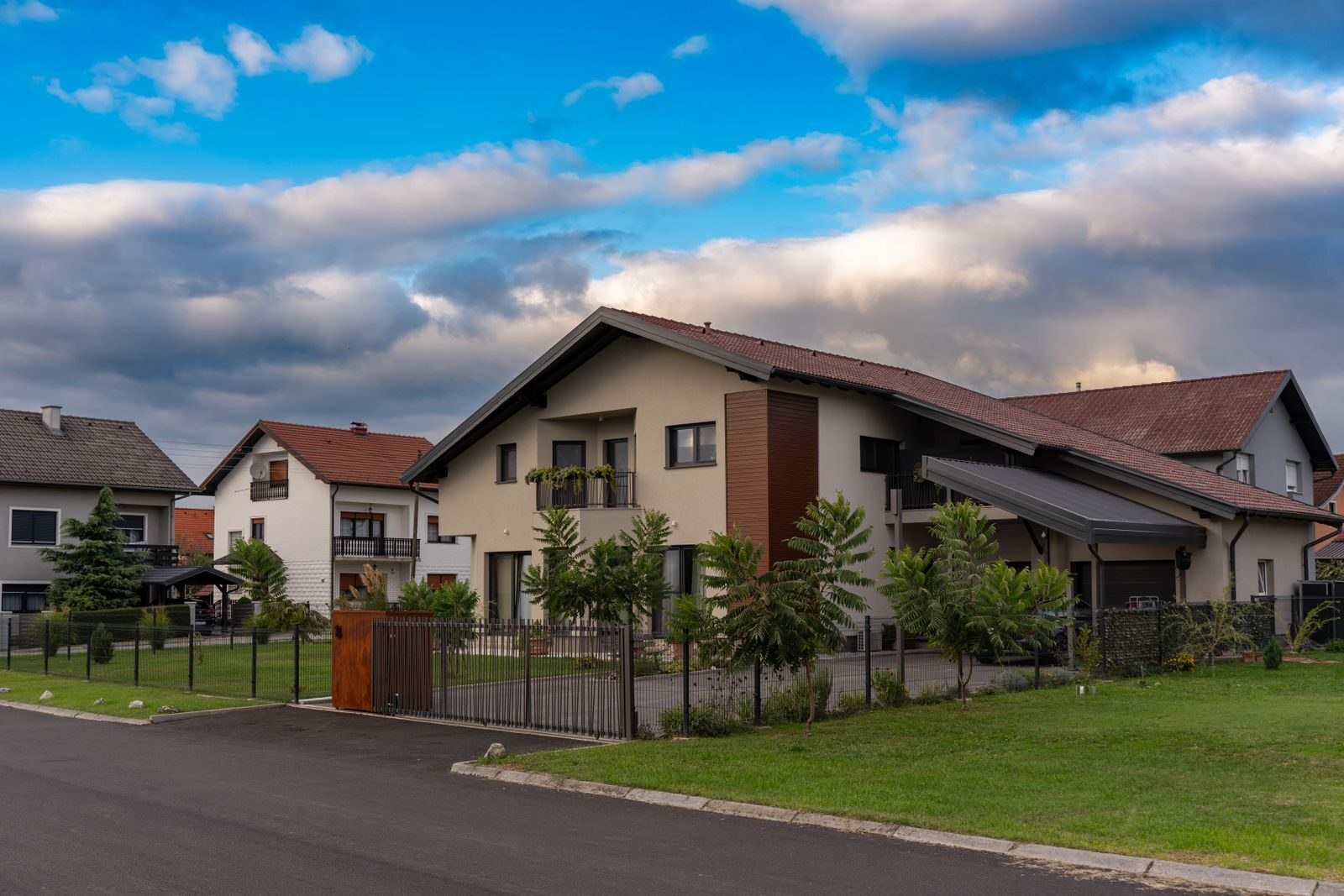
If you’ve been scrolling through listings for South 1st Street Austin homes for sale, you’ve probably noticed something right away. This corridor moves fast, and it doesn’t look like anywhere else in the city. South 1st Street cuts through the heart of South Austin, connecting downtown to some of the most talked-about zip codes in Central Texas, including 78704 and 78745. Because of that location, buyers searching this street are usually after the same thing — walkability, character, and easy access to everything that makes Austin, Austin.
This guide walks through what’s actually for sale right now. What the current market looks like, and what to expect if you’re planning to buy along this stretch in 2026.
Why South 1st Street Draws So Much Buyer Interest
South 1st Street isn’t just a road; it’s practically a neighborhood identity. It runs through Bouldin Creek, skirts the edge of Travis Heights, and eventually connects toward South Lamar and Barton Hills. As a result, homes here tend to sell to buyers who want an in-town lifestyle rather than a purely suburban one.
Because the street is so central, you’ll find a genuine mix of housing stock. Older bungalows from the 1940s and ’50s sit next to sleek new-construction townhomes. Meanwhile, boutique condo buildings have started filling in gaps that used to be empty lots. This variety is part of the appeal, since it means buyers at very different price points can still land an address on or near South 1st.
Additionally, the walk score along this corridor is hard to beat. Coffee shops, breweries, taco trucks, and boutiques line the street for long stretches, so daily errands rarely require a car. That said, proximity to St. Edward’s University also brings a steady stream of rental demand, which matters if you’re considering an investment property rather than a primary residence.
Current Market Snapshot: South 1st Street and South Austin, July 2026
Understanding pricing here means looking at both the immediate street and the broader South Austin submarket, since South 1st runs through several micro-neighborhoods.
As of mid-2026, homes in the broader South Austin area have a median sale price in the range of roughly $407,000 to $430,000, though that figure swings widely depending on whether you’re looking at a fixer-upper near South Congress or new construction closer to Barton Hills. For comparison, the city of Austin overall has a median sale price closer to $530,000 to $542,000. Which tells you that South Austin, including the South 1st corridor, still offers relatively accessible entry points compared to some closer-in neighborhoods.
Days on market have also shifted. Homes across the Austin metro are currently selling in roughly 48 to 67 days on average, according to Redfin’s tracking of the Austin housing market. That’s a meaningfully longer timeline than the frenzied bidding-war years of 2021 and 2022. Consequently, buyers today have more room to negotiate, request repairs, and take their time on due diligence than they did just a few years ago.
Inventory has grown too. The Austin metro currently sits at around 4.7 to 5.5 months of housing supply, which generally favors buyers over sellers. For the Texas Real Estate Research Center’s most current statewide housing data, it’s worth checking their monthly Texas Housing Insight report. Since it’s one of the most trusted, university-backed sources for Texas real estate trends.
If you’re comparing this to other parts of the city, our complete guide to South Austin neighborhoods breaks down pricing and lifestyle differences block by block, which can help narrow your search before you start touring homes.
Neighborhoods You’ll Encounter Along South 1st Street
Because South 1st Street stretches for several miles, the neighborhood feel changes depending on where along the corridor you’re looking.
Bouldin Creek sits closest to downtown and tends to attract buyers who want historic charm mixed with new infill construction. Homes here often sell quickly when priced right, since the walk to South Congress and downtown is genuinely short.
Travis Heights runs just east of the street and offers larger lots, mature trees, and some of the more architecturally distinctive homes in South Austin. Prices here typically run higher than the South 1st average.
South Lamar, meanwhile, blends residential streets with a busy retail corridor. It’s a five-minute drive from downtown, which keeps demand steady even when other parts of the market cool off.
Barton Hills sits further south and west, offering proximity to Zilker Park, Barton Springs Pool, and the Barton Creek Greenbelt. Outdoor-focused buyers often gravitate here first.
What’s Actually Listed: Property Types on South 1st Street
Current inventory along and near South 1st Street tends to fall into a few categories.
New construction townhomes and duplexes have become increasingly common, especially as older single-family lots get redeveloped. These typically run two to three stories, feature modern finishes, and often include small private yards.
Condo buildings, some of them boutique developments with fewer than 20 units, have also entered the market in recent years. Many sit within walking distance of St. Edward’s University or the South Congress retail strip, making them attractive to both owner-occupants and investors.
Traditional single-family homes still exist too, though many have been renovated or expanded. Original mid-century bungalows with updated kitchens and primary suites are common finds. And they tend to hold appeal for buyers who want character without a full renovation project.
Actionable Tips for Buying Along South 1st Street Right Now
Given where the market sits in mid-2026, a few strategies genuinely make a difference for buyers.
First, don’t skip the price history. Because inventory has grown, sellers along this corridor have been reducing prices more often than in previous years. Checking how long a listing has sat and whether it’s already had a price cut can give you real leverage in negotiations.
Second, get pre-approved before you tour anything seriously. With more competition among buyers easing, sellers are still prioritizing offers that look clean and financeable. So a strong pre-approval letter still matters.
Third, budget for insurance early. Texas insurance costs have climbed significantly over the past two years. And that expense affects your true monthly payment just as much as the interest rate does. It’s worth getting a quote before you fall in love with a specific listing.
Fourth, work with an agent who actually knows this corridor block by block. South 1st Street changes character quickly, and pricing per square foot can vary a lot within just a few blocks depending on flood plain maps, lot size, and proximity to commercial strips.
Finally, take your time on due diligence. With homes spending closer to two months on market rather than a matter of days, there’s rarely a reason to waive inspections just to win a bidding war the way buyers sometimes did during the pandemic years.
Is Now a Good Time to Buy on South 1st Street?
Honestly, it depends on your goals. If you’re planning to live in the home for five years or more, current pricing gives you a meaningfully better entry point than the 2022 peak. Even though rates remain higher than the ultra-low levels buyers enjoyed a few years back. On the other hand, if you’re purely speculating on short-term appreciation, the market’s own data suggests prices are still stabilizing rather than climbing quickly, so patience may serve you well either way.
Frequently Asked Questions
What is the median home price on South 1st Street in Austin? Homes in the broader South Austin submarket, which includes most of the South 1st corridor, currently have a median sale price in the general range of $407,000 to $430,000. Prices vary block by block depending on lot size, renovation status, and proximity to South Congress or downtown.
What zip codes does South 1st Street run through? South 1st Street primarily runs through 78704 and 78745, two of the most searched zip codes in South Austin. Both areas offer a mix of historic homes, new construction, and condo developments.
Are homes on South 1st Street a good investment? Many investors are drawn to this corridor because of its proximity to St. Edward’s University, downtown, and popular retail districts, which supports steady rental demand. That said, insurance costs and property taxes should be factored into any return calculation before purchasing.
How long do homes stay on the market near South 1st Street? Across the Austin metro, homes are currently selling in roughly 48 to 67 days on average. Because inventory has grown, buyers generally have more time to make decisions than they did during the pandemic-era rush.
Is South 1st Street walkable? Yes, particularly the stretch running through Bouldin Creek and toward South Congress. Coffee shops, restaurants, and boutiques line much of the corridor, so many residents rely less on a car for daily errands.
What school district serves homes on South 1st Street? Homes along South 1st Street fall within the Austin Independent School District, one of the largest districts in Central Texas.
Should I buy new construction or a renovated older home on South 1st Street? It really comes down to priorities. New construction typically offers modern layouts, smaller yards, and fewer maintenance surprises, while renovated bungalows often provide more character and larger outdoor space. Since both are common along this corridor, it’s worth touring a few of each before deciding.
Is it a buyer’s market or seller’s market on South 1st Street right now? Current data points toward a more balanced market that favors buyers slightly more than it has in recent years. Rising inventory and longer days on market give buyers room to negotiate, though well-priced homes in top-tier condition still sell quickly.
[…] Spicewood has you curious about nearby options, our South 1st Street Austin homes guide covers a closer-in alternative for buyers who want more walkability, and our Austin investment […]