

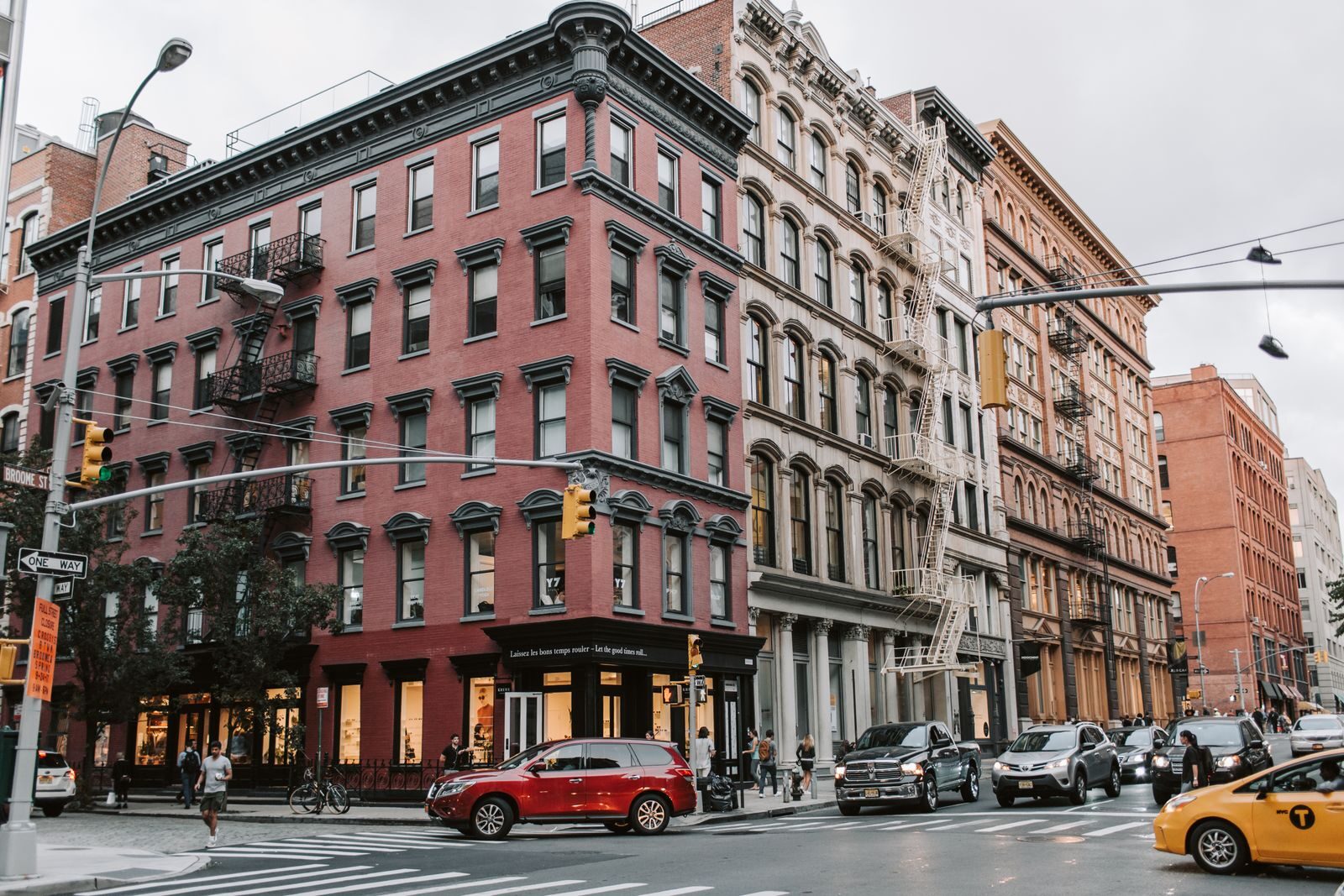
For many homebuyers, owning a loft in SoHo is more than a real estate purchase. It’s an opportunity to live in one of America’s most recognizable neighborhoods, where historic architecture meets modern luxury. From cast-iron buildings and cobblestone streets to world-class shopping and renowned art galleries, SoHo continues to define upscale downtown Manhattan living.
Although New York City’s housing market has evolved over the past few years, SoHo remains one of the most desirable neighborhoods for buyers, renters, investors, and international purchasers alike. At the same time, changing market conditions, stricter rental regulations, and shifting buyer preferences are creating new opportunities for those who understand the market.
Whether you’re searching for an authentic industrial loft, considering a luxury condominium, or comparing SoHo with nearby neighborhoods like Tribeca or Greenwich Village, this guide explains everything you need to know before making your decision.
Why SoHo Continues to Lead Manhattan’s Luxury Real Estate Market
Few neighborhoods in the United States combine architectural history, cultural influence, and investment potential quite like SoHo.
Originally developed during the nineteenth century as a commercial manufacturing district, SoHo transformed throughout the twentieth century into an artists’ community before becoming one of the world’s premier luxury residential markets. Today, its historic buildings, designer boutiques, Michelin-starred restaurants, and art galleries attract affluent buyers from across the United States and around the globe.
Unlike many modern developments, SoHo offers a limited housing supply. Since much of the neighborhood falls within the protected SoHo-Cast Iron Historic District, new construction remains restricted. Consequently, authentic loft inventory stays relatively scarce, helping preserve long-term property values.
Furthermore, buyers appreciate SoHo’s central location. Residents enjoy quick access to Lower Manhattan, Midtown, Hudson Square, Tribeca, Chinatown, Little Italy, and Greenwich Village. Several subway lines also make commuting convenient for professionals working throughout New York City.
What Makes a True SoHo Loft Different?
Many real estate listings advertise “loft-style” apartments. However, not every apartment with high ceilings qualifies as a genuine SoHo loft.
A true SoHo loft is generally located inside a converted industrial or commercial building dating back to the mid-to-late nineteenth century. These properties were originally designed for manufacturing, warehousing, or commercial businesses before being legally converted into residential homes.
Typical characteristics include:
- Ceiling heights between 11 and 15 feet
- Massive factory-style windows
- Original cast-iron columns
- Exposed brick walls
- Heavy timber beams
- Wide-open floor plans
- Hardwood plank flooring
- Freight elevator access in many buildings
- Historic cast-iron façades
Because many of these buildings remain landmark-protected, exterior renovations require approval from the city’s preservation authorities. While this process may seem restrictive, it also helps maintain the neighborhood’s timeless character.
For buyers, this preservation often translates into stronger long-term demand compared with newer developments in less regulated areas.
SoHo Real Estate Market Update (July 2026)
The Manhattan luxury market has entered a healthier balance after several years of unusually competitive conditions.
Although demand remains strong, buyers now have more negotiating power than they did during the rapid post-pandemic market. Properties are generally taking longer to sell, giving qualified purchasers additional time to evaluate listings and negotiate favorable terms.
Current market indicators show:
| Market Metric | July 2026 |
|---|---|
| Median Home Price | Approximately $3.8 million |
| Median Listing Price | Around $3.95 million |
| Typical Price per Square Foot | Around $2,000 |
| Luxury Penthouse Pricing | Frequently exceeds $20 million |
| Market Trend | Balanced with improved buyer leverage |
While these figures provide a useful benchmark, pricing varies considerably based on building history, floor level, outdoor space, renovation quality, and whether the property is a condominium or cooperative.
Buying a Loft in SoHo: What to Expect
Purchasing a SoHo loft differs from buying a conventional apartment elsewhere in New York City.
First, many buildings were converted decades ago under specialized zoning programs. Therefore, buyers should always verify the Certificate of Occupancy before closing. A qualified real estate attorney can confirm that the residence complies with current residential requirements.
Second, financing requirements vary.
Condominiums generally provide:
- Easier financing
- Flexible ownership rules
- Better investment potential
- Simpler resale process
Meanwhile, cooperative buildings often offer:
- Larger living spaces
- Lower purchase prices
- Strong resident communities
- Reduced investor activity
However, co-op boards usually require detailed financial documentation and may conduct interviews before approving a purchase.
Therefore, securing mortgage pre-approval before beginning your property search can significantly strengthen your negotiating position.
How Much Does It Cost to Rent a SoHo Loft?
Although SoHo remains one of Manhattan’s most expensive rental markets, the neighborhood continues attracting professionals, entrepreneurs, executives, designers, and international residents seeking premium downtown living.
Average rental ranges during mid-2026 include:
| Apartment Type | Average Monthly Rent |
|---|---|
| Studio | $3,900–$4,500 |
| One Bedroom | $5,500–$7,500 |
| Two Bedroom | $9,500–$13,500 |
| Three Bedroom | $15,000–$20,000 |
| Luxury Full-Floor Loft | $25,000+ |
Actual pricing depends on building amenities, private outdoor space, renovation quality, and exact location within SoHo.
Buildings along Greene Street, Mercer Street, and Wooster Street generally command premium rents because of their iconic architecture and proximity to luxury shopping.
Meanwhile, areas bordering Hudson Square often offer better overall value while still providing convenient access to SoHo’s attractions.
Local Law 18 Changed the Rental Market
One of the biggest developments affecting renters remains New York City’s enforcement of Local Law 18.
Today, renting an entire apartment for fewer than 30 consecutive days has become significantly more restricted. Most hosts must register with the city, remain present during the guest’s stay, and comply with occupancy limitations. As a result, many traditional short-term rental listings have disappeared, while demand for furnished monthly rentals has increased.
If you’re relocating for work, attending an extended project, or exploring neighborhoods before buying, monthly furnished rentals now represent the most practical legal option.
Likewise, landlords should fully understand Local Law 18 before advertising short-term accommodations.
Best Streets to Buy or Rent a SoHo Loft
Although SoHo covers only a small section of Lower Manhattan, every street offers a different living experience. Therefore, understanding the neighborhood’s layout can help you find a property that matches both your lifestyle and budget.
Greene Street
Greene Street is often considered the heart of historic SoHo. Its beautifully restored cast-iron buildings, luxury boutiques, and classic cobblestone streets create one of New York City’s most recognizable streetscapes.
Many full-floor lofts here feature:
- Original cast-iron columns
- Ceiling heights exceeding 12 feet
- Large arched windows
- Restored hardwood floors
- Boutique residential buildings
Consequently, properties on Greene Street typically command some of the highest prices in the neighborhood.
Mercer Street
Mercer Street blends luxury living with convenience. Residents enjoy easy access to high-end shopping, renowned restaurants, and contemporary art galleries while living in quieter residential buildings than those found on Broadway.
Because inventory remains limited, homes here often sell quickly when priced competitively.
Wooster Street
If you prefer a more residential atmosphere, Wooster Street deserves serious consideration.
Many buildings have retained their original industrial character while offering renovated interiors with premium finishes. Moreover, traffic tends to be lighter than on neighboring commercial streets.
West Broadway
West Broadway offers some of the largest loft floor plans in SoHo.
Buyers looking for expansive living areas, home offices, or artist studios frequently begin their search here. Although the street stays busy throughout the day, residents appreciate its vibrant atmosphere and proximity to restaurants, cafés, and designer retailers.
Lafayette Street and Hudson Square
These bordering areas often provide excellent value compared with SoHo’s central blocks.
Many newer condominium conversions include:
- Twenty-four-hour concierge service
- Fitness centers
- Rooftop terraces
- Parking facilities
- Smart-home technology
As a result, buyers seeking modern amenities without sacrificing location frequently expand their search into these nearby areas.
Is Buying a SoHo Loft a Good Investment?
For long-term investors, SoHo has consistently demonstrated remarkable resilience.
Unlike neighborhoods experiencing rapid new construction, SoHo’s housing supply remains naturally limited because landmark protections restrict large-scale redevelopment. Consequently, authentic lofts often maintain strong demand even during slower market cycles.
Several factors continue supporting long-term value:
- Limited inventory
- Global buyer demand
- Historic architecture
- Strong luxury retail presence
- Excellent walkability
- Continued office growth in nearby Hudson Square
Furthermore, SoHo attracts both domestic and international buyers, helping support property values across changing economic conditions.
While no real estate investment is guaranteed, many industry professionals continue viewing authentic SoHo lofts as trophy assets within the Manhattan market.
Hidden Costs Every Buyer Should Budget For
Purchase price is only part of the financial picture.
Before making an offer, buyers should also account for several additional expenses.
These may include:
- Attorney fees
- Building inspections
- Mortgage origination costs
- Title insurance (for condominiums)
- Mansion Tax, where applicable
- Recording fees
- Moving expenses
- Renovation costs
- Monthly maintenance or common charges
- Homeowners insurance
Additionally, older cast-iron buildings sometimes require façade restoration or mechanical upgrades. Therefore, reviewing the building’s financial statements and reserve fund is an essential part of due diligence.
Tips for Finding the Right SoHo Loft
Whether you’re purchasing your first Manhattan property or expanding your investment portfolio, following a structured approach can save both time and money.
1. Verify the Certificate of Occupancy
Always confirm the building has a legal residential Certificate of Occupancy. This step protects your financing, insurance coverage, and future resale value.
2. Review Building Financials
For co-ops and condominiums, examine reserve funds, planned capital improvements, and monthly maintenance charges before making an offer.
3. Visit at Different Times
A quiet weekday afternoon can feel very different from a busy Saturday evening.
Therefore, schedule multiple visits before making a final decision.
4. Compare Recent Sales
Instead of focusing only on asking prices, review comparable closed sales from the previous six to twelve months.
Doing so provides a much clearer picture of actual market value.
5. Hire Local Professionals
An experienced downtown Manhattan real estate agent, attorney, and home inspector understand the unique issues affecting historic loft buildings.
Their expertise can help prevent expensive surprises after closing.
Living in SoHo: More Than Luxury Real Estate
Owning a loft in SoHo means becoming part of one of New York City’s most vibrant neighborhoods.
Residents enjoy easy access to internationally recognized shopping along Broadway and Prince Street, acclaimed restaurants, independent cafés, contemporary art galleries, and beautiful historic architecture.
Additionally, nearby neighborhoods including Tribeca, Nolita, Chinatown, Little Italy, and Greenwich Village are all within walking distance.
Outdoor enthusiasts can also reach the Hudson River Greenway, Washington Square Park, and Hudson River Park within minutes.
Consequently, SoHo appeals to professionals, entrepreneurs, creatives, retirees, and international buyers looking for an active urban lifestyle. If you’re weighing other major markets, our review of The Clara in Santa Clara, CA offers a look at a very different, tech-hub rental scene on the West Coast.
Should You Buy or Rent in 2026?
The answer depends on your long-term plans.
Buying often makes sense if you:
- Plan to stay for several years
- Want to build equity
- Prefer customizing your home
- View Manhattan real estate as a long-term investment
Meanwhile, renting may be the better option if you:
- Recently relocated
- Expect career changes
- Want neighborhood flexibility
- Prefer avoiding maintenance responsibilities
Because market conditions have become more balanced during 2026, both buyers and renters now enjoy greater negotiating opportunities than they did just a few years ago.
Expert Resources Before You Decide
For official information about historic buildings, landmark regulations, and preservation requirements, visit the New York City Landmarks Preservation Commission:
https://www.nyc.gov/site/lpc/index.page
Final Thoughts
SoHo remains one of the most prestigious residential neighborhoods in the United States, and for good reason. Its iconic cast-iron architecture, spacious loft layouts, thriving arts scene, and exceptional location continue attracting buyers from around the world.
Although property prices remain among the highest in Manhattan, today’s market offers more opportunities for informed buyers. Longer marketing times, improved inventory, and balanced negotiating conditions are helping well-prepared purchasers secure outstanding homes without the intense competition seen in previous years.
Whether you’re buying your dream loft, investing in luxury real estate, or searching for a premium rental, careful research and professional guidance will help you make a confident decision. By understanding local regulations, comparing recent sales, and evaluating each building carefully, you’ll be well positioned to enjoy everything SoHo has to offer for years to come.
Frequently Asked Questions
1. What is the average price of a SoHo loft in 2026?
As of July 2026, median home prices in SoHo are approximately $3.8 million, although luxury penthouses and full-floor lofts can easily exceed $20 million depending on size, location, and amenities.
2. How much does it cost to rent a loft in SoHo?
Studios generally rent for $3,900–$4,500 per month, while one-bedroom lofts typically range from $5,500 to $7,500. Larger luxury lofts frequently rent for $15,000 to more than $25,000 per month.
3. Can I legally rent a SoHo loft for a weekend?
In most cases, no. New York City’s Local Law 18 significantly restricts short-term rentals of entire apartments. Most visitors looking for extended stays should consider legal monthly furnished rentals instead.
4. What’s the difference between a condo and a co-op in SoHo?
Condominiums generally provide greater ownership flexibility and easier financing. Co-ops, however, often offer larger living spaces at lower purchase prices, although buyers must usually complete a board approval process.
5. Which streets have the most authentic SoHo lofts?
Greene Street, Mercer Street, Wooster Street, and West Broadway contain many of the neighborhood’s original cast-iron loft buildings. These streets remain highly desirable among buyers seeking authentic industrial architecture.
6. Is SoHo a good place to invest in real estate?
Many experts consider SoHo one of Manhattan’s strongest long-term luxury markets because of its limited housing supply, landmark protections, global demand, and enduring desirability.
7. What should buyers inspect before purchasing a loft?
Review the Certificate of Occupancy, building financial statements, maintenance history, renovation records, monthly charges, and any planned capital improvements before signing a contract.
[…] you’re weighing other downtown Manhattan neighborhoods too, our SoHo lofts guide covers a very different residential feel just a short subway ride […]