

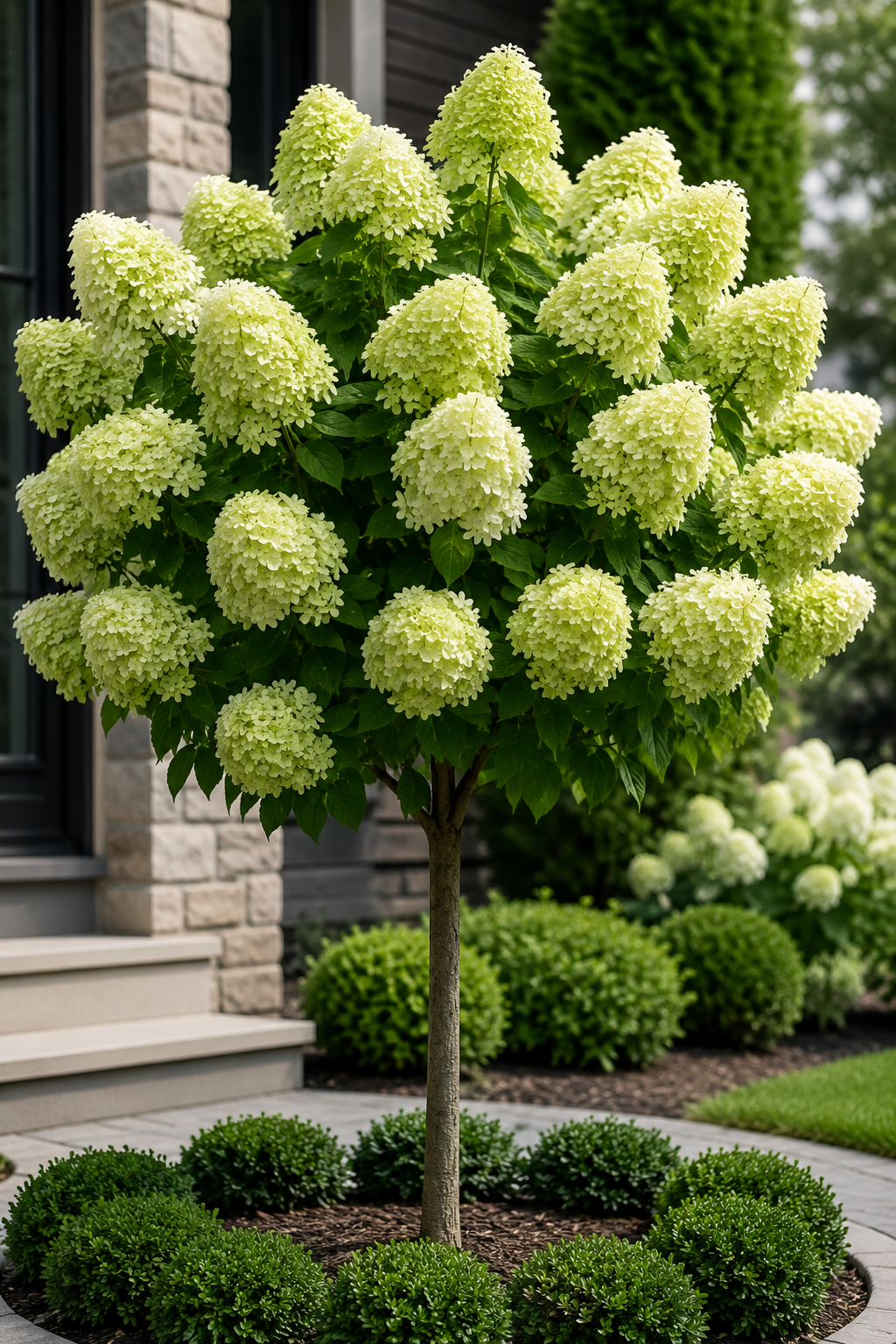
If you’ve been scrolling through garden inspiration lately, you’ve probably noticed the Limelight Hydrangea Tree popping up everywhere. From front yard focal points to wedding venue backdrops, this stunning plant has become one of the most requested varieties at nurseries across the country. So, what makes it so special? And more importantly, how do you keep one thriving in your own yard?
This guide walks you through everything you need to know in 2026, from planting to pruning, based on real gardening experience and horticultural best practices.
What Is a Limelight Hydrangea Tree?
First things first, let’s clear up some confusion. A Limelight Hydrangea Tree isn’t actually a separate species. Instead, it’s a Limelight Hydrangea (Hydrangea paniculata ‘Limelight’) that has been trained or grafted into a tree form rather than left as a multi-stemmed shrub. Nurseries typically achieve this by training a single trunk and pruning the top into a rounded canopy.
The result is a small ornamental tree, usually reaching six to eight feet tall, with large, cone-shaped flower clusters that emerge lime-green in early summer. As the season progresses, those blooms shift to creamy white and eventually blush pink by fall. It’s this color transformation that makes the plant so popular for photos, landscaping, and even cut-flower arrangements.
Unlike bigleaf hydrangeas, Limelight blooms on new wood. That single detail changes how you prune it, how you care for it, and honestly, how forgiving it is if you make a mistake. We’ll get into that shortly.
Why Gardeners Are Choosing Limelight Trees in 2026
This year, more homeowners are leaning toward low-maintenance, high-impact landscaping, and the Limelight Hydrangea Tree fits that trend perfectly. It requires less pruning than traditional hydrangeas, tolerates a wider range of soil conditions, and handles both heat and cold better than most hydrangea varieties.
Additionally, tree-form hydrangeas are being used more often as focal points near patios, entryways, and mailboxes because they take up less horizontal space than shrub forms while still delivering dramatic blooms. As a result, they’ve become a favorite for smaller urban and suburban lots where space is limited but visual impact still matters.
Choosing the Right Location
Location is where most success or failure starts. Limelight Hydrangea Trees perform best in locations that get full sun to partial shade, roughly six hours of direct sunlight daily. In hotter climates, such as the southern United States, afternoon shade helps prevent leaf scorch and keeps blooms looking fresh longer.
Meanwhile, in northern regions, full sun actually encourages stronger stems and more abundant blooming. So, before planting, take a walk around your yard and track sunlight patterns for a day or two. This small step saves a lot of frustration later.
USDA Hardiness Zones
Limelight Hydrangea Trees grow well in USDA zones 3 through 8, which covers most of the continental United States. That means gardeners from Minnesota to Georgia, and from Maine to parts of Texas, can successfully grow this plant with the right care adjustments for their specific climate.
If you’re in a colder zone, mulching becomes essential for protecting the root system through winter. If you’re in a warmer zone, consistent watering during summer heat waves will matter more than winter protection.
Soil Requirements and Planting Tips
Limelight Hydrangeas aren’t overly fussy about soil pH, which is one reason they’re easier to grow than other hydrangea varieties. However, they do prefer well-draining, slightly acidic to neutral soil. Heavy clay soil can be improved by mixing in compost or aged manure before planting.
When planting, dig a hole twice as wide as the root ball but no deeper than the container it came in. Planting too deep is one of the most common mistakes gardeners make, and it often leads to stunted growth or root rot. Once placed, backfill with soil, water thoroughly, and add a two to three inch layer of mulch around the base while keeping it away from the trunk itself.
Spring and early fall are the best times to plant in most parts of the country. That said, if you live in a milder climate, winter planting can also work, provided the ground isn’t frozen.
Watering and Fertilizing
Consistent watering is key, especially during the first two growing seasons. Newly planted trees need about one inch of water per week, whether from rainfall or manual watering. Once established, Limelight Hydrangeas become more drought-tolerant, though they’ll still appreciate deep watering during extended dry spells.
As for fertilizing, less is often more. A slow-release, balanced fertilizer applied once in early spring is usually sufficient. Over-fertilizing, particularly with high-nitrogen products, can lead to excessive leaf growth at the expense of blooms. If you notice lush green foliage but few flowers, that’s often the culprit.
Pruning the Limelight Hydrangea Tree
Pruning is where most people get nervous, but honestly, it’s simpler than it looks once you understand the basics. Since Limelight blooms on new wood, pruning in late winter or very early spring, before new growth begins, is ideal.
Here’s a straightforward approach that works well for tree-form hydrangeas:
- Remove any dead, damaged, or crossing branches first
- Trim back last year’s growth by about one-third to encourage strong new stems
- Maintain the rounded canopy shape by cutting stray branches back to an outward-facing bud
- Remove any suckers growing from the base of the trunk
Because these trees are grafted or trained onto a single trunk, it’s especially important to keep the base clear of new shoots. If left unchecked, those shoots can eventually overtake the tree form and revert it back into a shrub-like shape.
One more tip worth mentioning: don’t prune in late summer or fall. Doing so removes next year’s flower buds and can leave the tree looking bare come spring.
Seasonal Care Calendar
To keep things simple, here’s a general breakdown of what your Limelight Hydrangea Tree needs throughout the year:
Late Winter to Early Spring: Prune, apply fertilizer, refresh mulch layer.
Spring: Monitor new growth, water consistently, watch for pest activity.
Summer: Deep water during dry periods, deadhead spent blooms if desired, enjoy the color transition from green to white.
Fall: Reduce watering gradually, allow blooms to age naturally into their pink tones, add extra mulch before winter in colder zones.
Winter: Protect roots with mulch, avoid pruning, let the tree rest.
Common Problems and How to Solve Them
Even with proper care, occasional issues can pop up. Fortunately, most problems with Limelight Hydrangea Trees are manageable once identified early.
Leaf scorch often happens in hot climates when trees get too much direct afternoon sun without adequate water. The fix is usually simple: increase watering frequency or consider relocating young trees to a spot with afternoon shade.
Powdery mildew can appear in humid conditions, especially where air circulation is limited. Spacing plants properly and avoiding overhead watering helps prevent this.
Few or no blooms is typically tied to improper pruning timing or too much nitrogen fertilizer. Adjusting your pruning schedule usually resolves this within a season or two.
Aphids and Japanese beetles occasionally show up, though Limelight Hydrangeas are generally more pest-resistant than other varieties. Insecticidal soap or neem oil can handle minor infestations without harming the plant.
Regional Considerations Across the United States
Because the U.S. spans such a wide range of climates, care can look a little different depending on where you live.
In the Northeast and Midwest, winter protection is the priority. Mulching heavily and choosing a sheltered planting location helps protect the root system from harsh freezes.
In the Southeast, humidity and heat management matter more. Afternoon shade, good airflow, and consistent watering will keep trees healthy through long, hot summers.
In the Pacific Northwest, the naturally mild and moist climate is nearly ideal for Limelight Hydrangeas, though gardeners should still watch for slug damage on young growth.
In the Southwest, where conditions are drier, supplemental watering becomes essential, and afternoon shade is almost a requirement rather than a suggestion.
According to horticultural guidance from the University of Minnesota Extension, Limelight hydrangeas thrive in full sun to part shade and are hardy in USDA zones 3 through 8, which aligns closely with what most experienced growers observe firsthand across different U.S. regions. This kind of research-backed guidance is a helpful starting point, though local microclimates always play a role too.
If you’re also growing other hydrangea varieties alongside your tree form, our complete hydrangea variety comparison guide breaks down the differences in bloom color, sun requirements, and pruning needs, which can help you plan a more cohesive garden layout.
Actionable Tips for Long-Term Success
To wrap up the care section, here are a few practical takeaways that make a real difference over time:
First, stake young trees for the first year or two, especially in windy areas, since the single-trunk form can be top-heavy while roots establish. Next, resist the urge to prune in fall, no matter how tempting it feels to clean things up before winter. Additionally, rotate mulch types occasionally to avoid nutrient imbalances in the soil. Finally, keep an eye on blooms each season, since changes in color or size often signal what the tree needs before problems become visible.
Frequently Asked Questions
How tall does a Limelight Hydrangea Tree grow? Most tree-form Limelight Hydrangeas reach six to eight feet in height and width at maturity, though some can grow slightly taller under ideal conditions.
When is the best time to prune a Limelight Hydrangea Tree? Late winter or very early spring, before new growth appears, is the ideal window. Pruning at this time won’t remove flower buds since the plant blooms on new wood.
Why is my Limelight Hydrangea Tree not blooming? This usually happens due to improper pruning timing, too much nitrogen fertilizer, or insufficient sunlight. Adjusting these factors typically resolves the issue within one to two growing seasons.
Can Limelight Hydrangea Trees survive cold winters? Yes, they’re hardy in USDA zones 3 through 8, which covers most of the northern and central United States. Mulching around the base helps protect roots in colder climates.
Do Limelight Hydrangea Trees need full sun? They perform best with six or more hours of sunlight daily. In hotter regions, afternoon shade helps prevent leaf scorch and keeps blooms vibrant longer.
How often should I water a newly planted Limelight Hydrangea Tree? New trees need about one inch of water weekly during their first two growing seasons. Established trees are more drought-tolerant but still benefit from deep watering during dry spells.
Are Limelight Hydrangea Trees the same as Limelight shrubs? Essentially yes. They’re the same variety, Hydrangea paniculata ‘Limelight’, simply trained into a single-trunk tree form rather than left as a multi-stemmed shrub.
Can I grow a Limelight Hydrangea Tree in a container? It’s possible for a few years, but eventually the root system will need more space than a container can provide. Transplanting into the ground is recommended once the tree outgrows its pot.
Final Thoughts
Growing a Limelight Hydrangea Tree successfully really comes down to understanding a few key habits: proper sunlight, thoughtful pruning timing, and consistent watering during establishment. Once those basics are in place, this tree tends to reward gardeners with reliable, showstopping blooms year after year.
Whether you’re planting your first one this season or troubleshooting an existing tree that isn’t performing as expected, the steps outlined here should give you a solid foundation for long-term success. Gardening is often a process of small adjustments, and with a little patience, your Limelight Hydrangea Tree can become one of the most eye-catching features in your landscape for years to come.